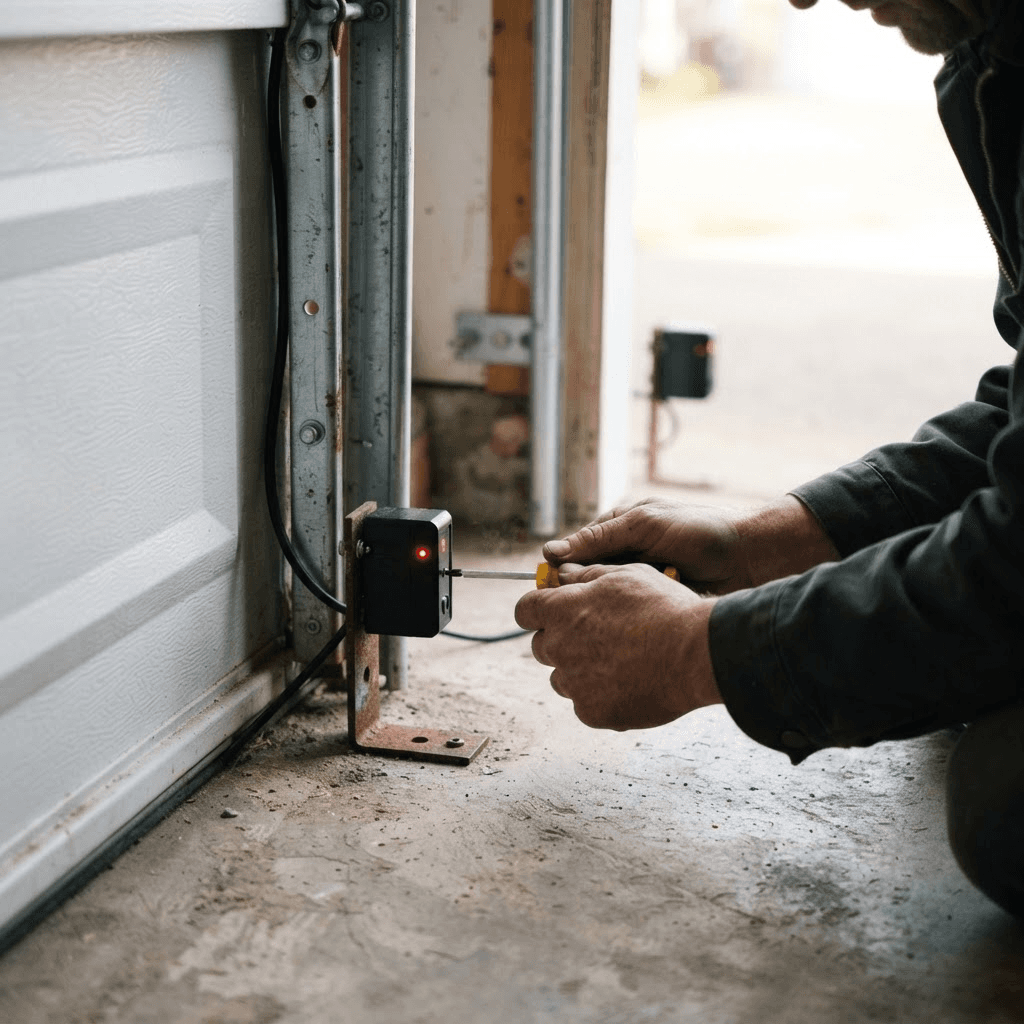
How to Find Local Electricians (Electrician Job and Salary Explained)
How to find and vet a licensed local electrician, plus what the electrician career path looks like, from apprentice to master electrician, and what it pays.
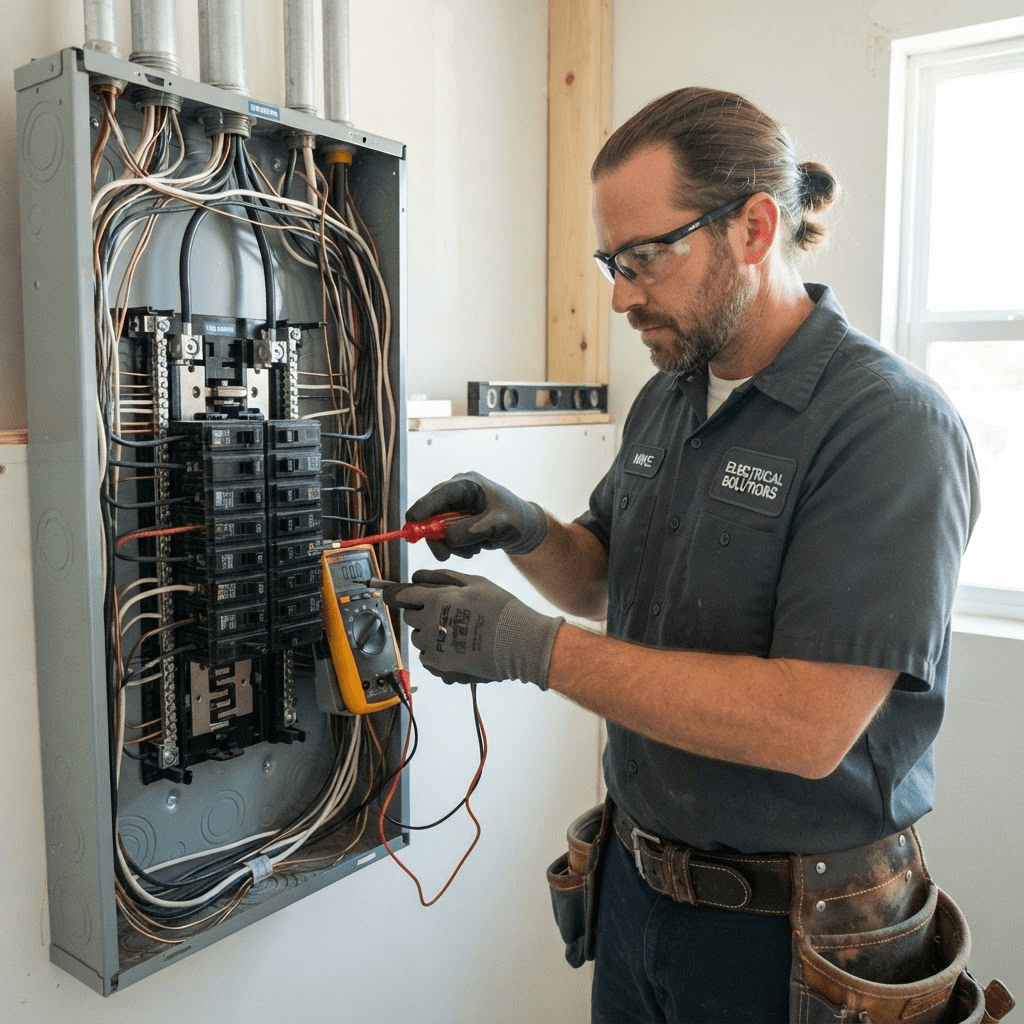
How to Find a Local Electrician, and What the Job Pays
Electrical work is one area of home improvement where hiring a qualified professional isn't optional, it's a safety necessity. Faulty wiring is a leading cause of house fires and electrocution, so whether you're hiring an electrician for a project or considering the trade as a career, understanding what the job involves, what it pays, and how to find a licensed local pro is genuinely important. Let's cover both sides: how to find and vet an electrician, and what the profession itself looks like.
What Does an Electrician Actually Do?
Start with what electricians actually do, because it explains why licensing matters so much. Electricians install, maintain, and repair the electrical systems that power homes and businesses, wiring, circuit breakers and panels, outlets, lighting, and increasingly things like EV chargers and smart-home systems.
They read blueprints, follow strict electrical codes, and work with dangerous voltages, which is why the trade requires extensive training and licensing. They generally specialize, with residential electricians focused on homes and commercial or industrial electricians handling larger systems.
Why Licensing and Insurance Matter
For homeowners hiring an electrician, the non-negotiable first step is confirming the electrician is licensed and insured. Licensing means they've completed the required training and passed exams proving they know the code and safe practices, and insurance protects you if something goes wrong.
Never hire an unlicensed handyman for electrical work, no matter how much cheaper, since the risks to your safety and your home are far too high, and unpermitted electrical work can void insurance and cause problems when you sell.
How to Find and Vet a Local Electrician
To find good candidates, use the familiar mix of channels:
- Referrals from neighbors, friends, and family who've had electrical work done are the most reliable, and general contractors often know trustworthy electricians too.
- Online directories and review platforms, look for established local companies with strong reviews.
- Confirm specialization, since a big panel upgrade or rewiring is different from installing a few fixtures.
- Gather at least three quotes so you can compare.
For anything beyond a tiny job, get written, itemized quotes, and confirm they'll pull the necessary permits, since most electrical work legally requires them and an inspection.
The Electrician Career Path: Apprentice to Master
For those considering electrical work as a career, it's an attractive, in-demand skilled trade with a clear path and no four-year degree required. The route typically runs from apprentice to journeyman to master electrician:
- Apprentice: earn a paycheck while learning on the job under a licensed electrician and taking classroom instruction, usually over about four to five years.
- Journeyman: after completing the apprenticeship and passing an exam, you're licensed to work independently.
- Master electrician: with more experience and further testing, you can reach this level and even run your own business.
How Much Do Electricians Make?
The pay reflects the skill and responsibility involved:
- Apprentices earn a solid, progressively increasing wage while they train.
- Journeymen earn a comfortable middle-class income that varies by region and specialty.
- Master electricians and business owners can earn considerably more.
Demand for electricians is strong and growing, driven by aging infrastructure, retiring tradespeople, and new work in renewable energy, EV charging, and smart homes, which makes for excellent job security.
The Bottom Line
Whether you're hiring one or becoming one, the throughline is the same: electrical work rewards proper training, licensing, and care, so insist on it when you hire, and pursue it diligently if you choose the trade.
For the permits, panel upgrades, and wiring work you may be hiring for, see our electrical work and hiring guides.
Frequently Asked Questions
How do I find a good local electrician? Look for licensed, insured, and well-reviewed electricians, ask for references on similar jobs, and get written estimates. Confirm they pull permits for work that requires it and back their labor with a warranty. For anything beyond swapping a fixture, hiring a qualified electrician protects both your safety and your home.
How much do electricians earn? Electrician pay varies with experience, region, specialty, and whether they are an apprentice, journeyman, or master electrician. Wages generally rise significantly as you move from apprentice to licensed journeyman and again to master, and electricians in high-demand areas or specialized fields like industrial or high-voltage work tend to earn more.
How do I become an electrician? Most electricians start with an apprenticeship that combines paid on-the-job training with classroom instruction, typically lasting around four years. After completing the apprenticeship and required hours, you take an exam to become a licensed journeyman, and with more experience you can pursue a master electrician license. It is a career path that pays while you learn.
Is being an electrician a good career? For many people, yes. It offers strong job stability, good earning potential without a four-year college degree, and steady demand, since electrical work cannot be outsourced and is essential to construction, maintenance, and the growing electrification of homes and vehicles. It is physically demanding and requires ongoing training, but it is a solid skilled trade.