How to Repair and Replace Windows (How Much Does It Cost to Install Windows)
How to tell if a window needs repair or replacement, plus what drives the cost to install new windows, so you can fix what's minor and replace what's failed.
How to Repair or Replace Windows, and How Much Does Window Installation Cost?
Windows are one of the hardest-working parts of a house, and when they start to fail, drafts, fogging, sticking, or rot, homeowners face the same question: repair or replace? The answer, and the cost, depends on what's actually wrong. Understanding which problems are quick, inexpensive repairs versus signs that it's time for new windows helps you avoid both throwing money at a lost cause and needlessly replacing windows that just need a small fix.
Window Problems Worth Repairing
Plenty of window problems are worth repairing, since they're cheap and quick relative to replacement:
- Damaged weatherstripping causing drafts.
- Worn caulk letting in air or water.
- A broken lock or latch.
- A torn screen.
- A sticking sash.
- A [single cracked pane](/blog/types-of-windows-explained-transom-casement-modern) in an otherwise sound window, often replaceable without swapping the whole unit.
If the window frame is solid, the window operates reasonably, and the issue is isolated, repair is almost always the smart, economical choice.
Signs It's Time to Replace Your Windows
Certain problems, though, are clear signals to replace:
- Persistent condensation or fogging between the panes of a double-pane window means the seal has failed and the insulating gas has escaped, and that generally can't be repaired, only replaced.
- Rotted, warped, or water-damaged frames, especially wood.
- Windows painted or swollen shut.
- Single-pane windows in a cold climate driving high energy bills.
- Windows that are simply old, drafty, and failing across the board.
When repairs would be frequent, costly, or only a band-aid, new windows are the better long-term investment.
Our window replacement assessment turns those symptoms into a clear repair, monitor or replace verdict.
The Benefits of Replacing Old Windows
Beyond fixing problems, replacement delivers real benefits that sometimes justify it on their own. New energy-efficient windows, double- or triple-pane with low-E coatings, cut heating and cooling bills, improve comfort by eliminating drafts and cold spots, reduce outside noise, and boost curb appeal and resale value. Many also come with warranties and tilt-in sashes that make cleaning easy.
If your windows are decades old, upgrading the whole home's windows can pay back a meaningful portion of the cost through energy savings and added value.
What Drives the Cost of Window Installation
So how much does window installation cost? Expect a wide range driven by several factors:
- Window type and size: a standard double-hung costs far less than a large bay, bow, or custom-shaped window.
- Frame material: vinyl is most affordable, with wood, fiberglass, and composite costing more.
- Glass package: double vs. triple pane, low-E, gas fills.
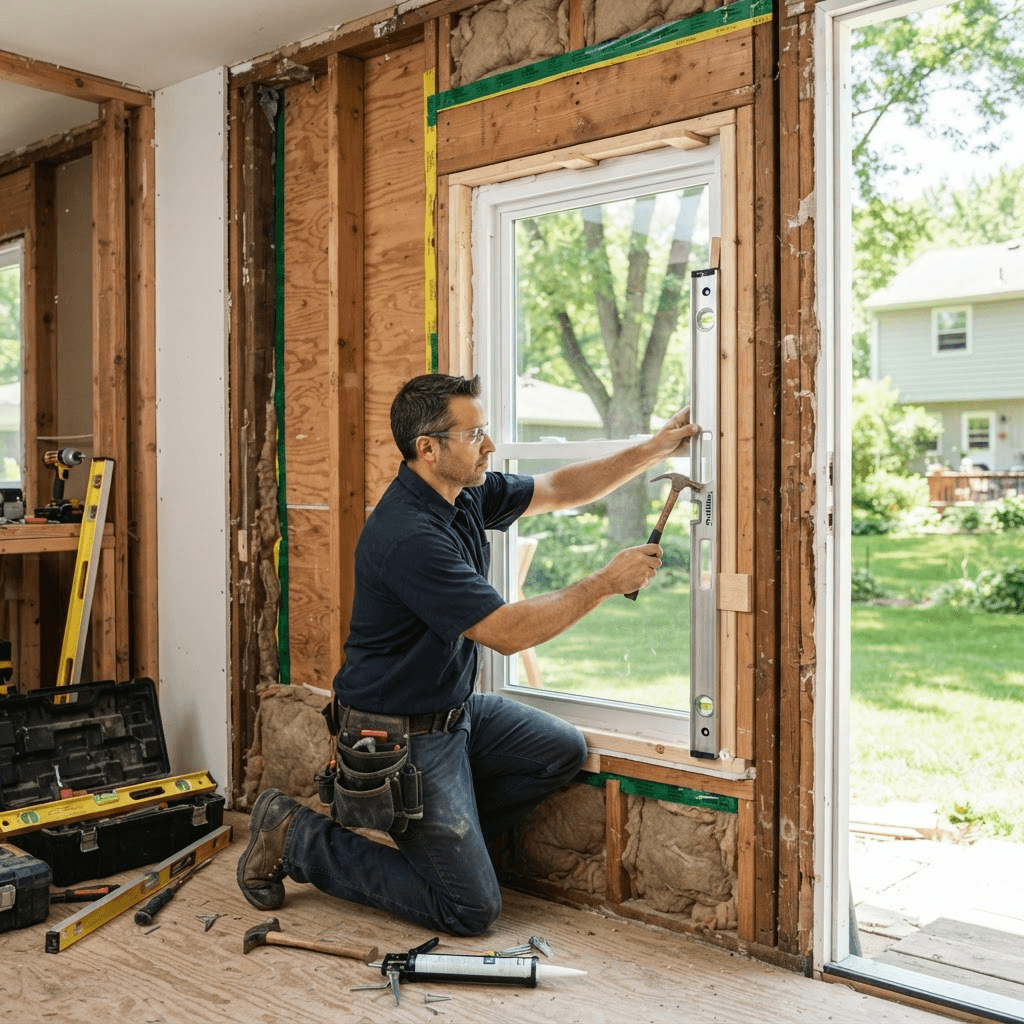
- Installation type: an insert or pocket replacement into a sound existing frame is cheaper than a full-frame replacement that removes everything down to the studs, which is necessary when the frame is rotted.
- Labor and local rates, plus any structural work or trim repair.
How to Plan Your Window Project
To get the best outcome, plan strategically:
- For a single failed window, get a quote for that one unit.
- For whole-home projects, replacing multiple windows at once usually lowers the per-window cost.
- Gather at least three itemized quotes from licensed, insured, well-reviewed installers, and make sure each specifies the window brand, material, glass package, installation method, and warranty so you're comparing equally.
- Ask about energy-efficiency rebates or tax credits, which can offset the cost of qualifying windows.
The Bottom Line
Repair what's minor, replace what's failed or badly outdated, and choose a reputable installer, and your windows will look better, work better, and save you money for decades.
If you are working through the whole house, our window repair and replacement guides cover styles, glazing, and costs in more depth.
Frequently Asked Questions
Should I repair or replace my windows? Repair makes sense for minor issues like a broken sash cord, worn weatherstripping, or a cracked pane in an otherwise sound window. Replace when frames are rotted, the window is single-pane and drafty, condensation forms between double panes (a failed seal), or operation is beyond fixing. Age, efficiency, and how long you will stay all factor into the decision.
How much does window installation cost? Cost depends on the window type, size, frame material, glass package, and how many you install at once. Standard double-hung vinyl windows sit at the affordable end, while large custom, wood, or specialty windows cost considerably more. Labor, removal of old units, and any frame repairs add to the total, so get itemized quotes.
How long do replacement windows last? Quality vinyl windows typically last 20 to 40 years, wood windows can last longer with maintenance, and fiberglass windows are among the most durable. Lifespan depends on material, installation quality, and climate. A failed seal or foggy glass is often the first sign a window is nearing the end of its service life.
Do new windows really save on energy bills? Yes, especially when replacing old single-pane or leaky windows. Modern double- or triple-pane windows with Low-E coatings and insulating gas fills cut heat transfer significantly, lowering heating and cooling costs and improving comfort. The savings are largest in extreme climates where the system runs many hours a year.