How to Upgrade Home Security With Locks and More
Better home security starts at the doors and windows and layers outward. A practical guide to upgrading locks, lighting, cameras, and smart systems.
How to Upgrade Home Security: Locks, Lighting, Cameras, and More
Upgrading home security is one of the most reassuring home improvements you can make, and it doesn't have to mean an expensive, professionally monitored fortress. The most effective approach is layered: start by hardening the obvious entry points, then add deterrence and monitoring outward from there. Most break-ins are crimes of opportunity, so making your home a harder, riskier target than the next one is the real goal, and a lot of that comes down to good locks and a few smart additions.
Start With Better Locks
Locks are the foundation, so start there. Every exterior door should have a quality deadbolt, and if yours are old, worn, or builder-grade, upgrading them is money well spent.
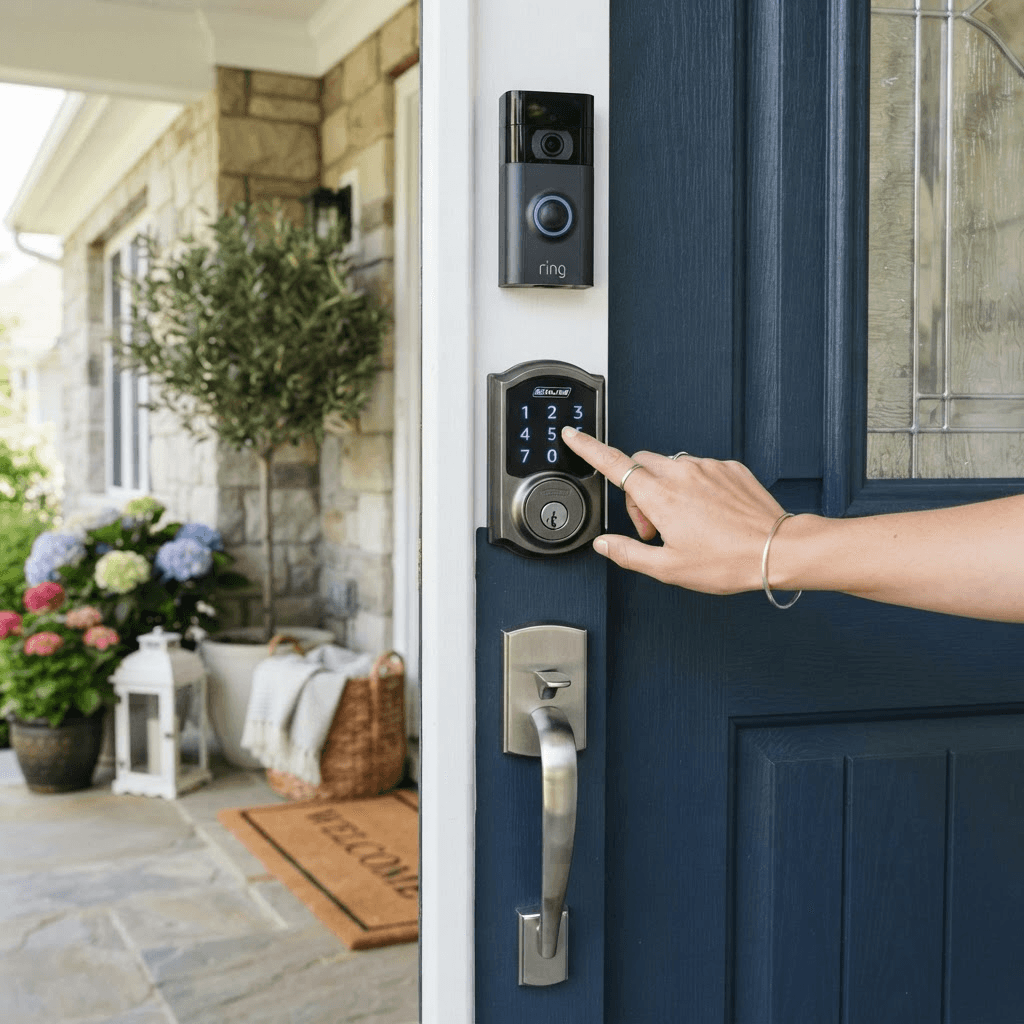
Consider smart locks, which let you lock and unlock remotely, hand out temporary codes instead of hiding a key, and get alerts when the door is opened, eliminating the risk of a spare key under the mat.
Just as important as the lock itself is the strike plate and screws: reinforcing the door frame with a heavy-duty strike plate and long three-inch screws that reach the wall studs prevents the most common forced entry, simply kicking the door in.
Secure Windows and Secondary Doors
Don't overlook windows and secondary doors, which are frequent weak points:
- Make sure all window locks work and actually get used.
- Add inexpensive aftermarket locks, pins, or security bars for extra holding power, especially on ground-floor and basement windows.
- For sliding glass doors, notoriously vulnerable, place a bar or dowel in the track and add an anti-lift device so the door can't be popped out of its frame.
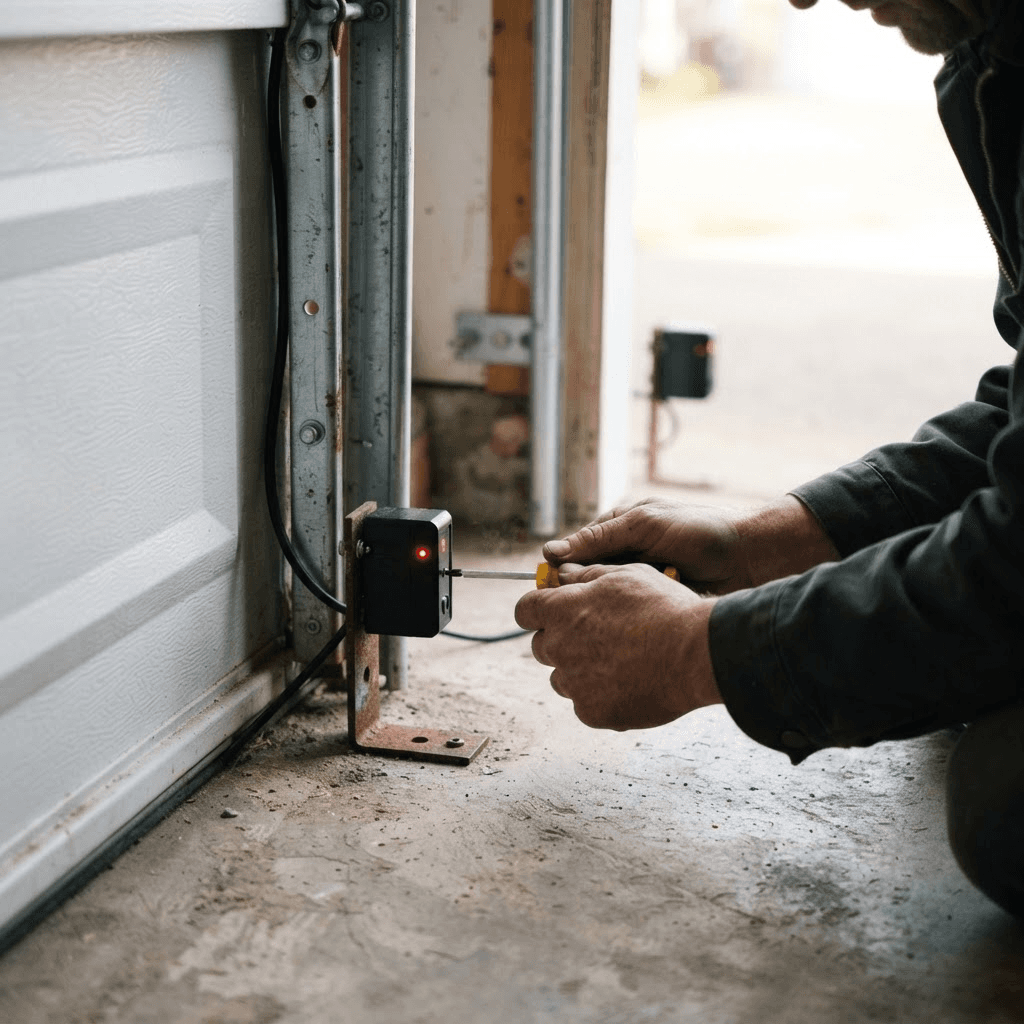
- For garages, secure the interior door to the house like any exterior door and keep the garage door opener out of sight.
These cheap fixes close the gaps burglars look for.
Add Motion-Activated Lighting
Lighting is one of the cheapest and most effective deterrents, since criminals avoid being seen.
- Install motion-activated lights around entry points, the garage, and dark side yards.
- Use timers or smart bulbs on interior lights so the home looks occupied when you're away.
Good exterior lighting removes the shadows intruders rely on, and a well-lit home simply looks cared for and watched, which pushes opportunists toward easier targets.
Install Cameras and a Video Doorbell
Cameras and video doorbells add both deterrence and awareness. A visible video doorbell lets you see and speak to anyone at the door from your phone, deters package theft, and records who comes and goes, while a few well-placed cameras covering entry points and the driveway extend that coverage.
Modern options are largely DIY, connect to your Wi-Fi, and send motion alerts to your phone, with optional cloud recording. Even the visible presence of cameras is a strong deterrent, and the footage is invaluable if something does happen.
Tie It Together With Smart Home Integration and Habits
Finally, tie it together with smart-home integration and simple habits:
- Many people combine smart locks, cameras, lights, and sensors into a single app.
- Add door/window sensors, glass-break detectors, and either a self-monitored or professionally monitored alarm system depending on your budget.
- Yard signs and window decals advertising a security system add deterrence for little cost.
- Layer on habits: lock up every time, don't broadcast vacations on social media, keep valuables out of window view, and maintain the landscaping so there are no hiding spots.
The Bottom Line
Start with solid locks and reinforced frames, add lighting, cameras, and sensors as your budget allows, and you'll dramatically improve your home's security one practical layer at a time.
Each layer above can be expanded on its own, and our home security upgrade guides go further on lighting, cameras, and entry points.
Frequently Asked Questions
What is the most important home security upgrade? Good deadbolt locks on every exterior door are the foundation, since doors are the most common entry point. Pair strong locks with reinforced strike plates and longer screws so a kick cannot blow the door open. Only after the physical basics are solid do cameras, sensors, and alarms add their full value.
Are smart locks safe? Quality smart locks from reputable brands are secure and convenient, letting you lock remotely, grant temporary codes, and see access logs. Choose models with strong encryption, keep firmware updated, and use unique codes. Many smart locks also retain a physical key backup, so a dead battery never locks you out.
Do security cameras actually deter burglars? Visible cameras are a proven deterrent, since most intruders avoid homes where they might be recorded. Cameras also help identify culprits and support insurance claims if something does happen. Position them to cover entry points and place at least one prominently where it is easy to see.
What is the cheapest way to improve home security? Simple, low-cost steps make a big difference: upgrade to solid deadbolts, add longer strike-plate screws, install motion-sensor lighting, trim shrubs that hide windows and doors, and use timers so lights suggest someone is home. These inexpensive measures address the vulnerabilities burglars exploit most.