Door Frames Guide: Should You Get Metal or Wood?
Should your door frame be metal or wood? A breakdown of wood, steel, and aluminum door frames, their pros and cons, and how to match the material to the door's location.
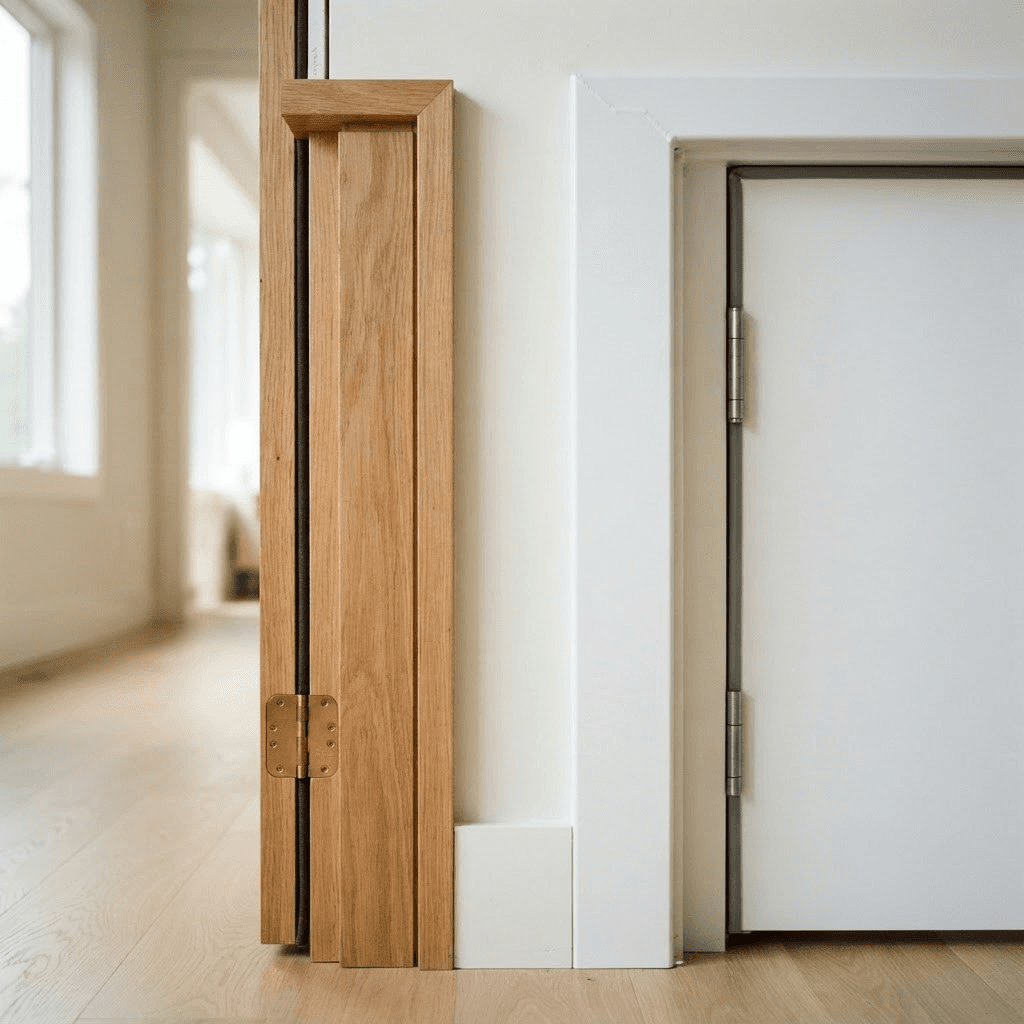
Door Frames Guide: Should You Get Metal or Wood?
The door frame, or jamb, is the unsung hero of any doorway: it holds the door, bears its weight, houses the hardware, and defines how well the door seals and operates. When replacing a door or building new, one key decision is the frame material, and the two main contenders are metal, typically steel or aluminum, and wood. Each has clear strengths and ideal applications, and choosing the right one depends on where the door is, what look you want, and how much durability and maintenance you're willing to trade off.
Wood Door Frames
Wood door frames are the traditional, most common choice, especially indoors, and their appeal is largely about looks and versatility. Wood offers a warm, classic appearance that suits virtually any style, it can be stained or painted any color, and it's easy to cut, shim, and adjust on site, which makes installation and future modifications straightforward. Wood also takes standard hardware easily and pairs naturally with wood doors and trim.
The downsides are maintenance and durability: wood can warp, swell, rot, or be damaged by moisture and insects over time, and it generally needs periodic painting or sealing, particularly in humid or exterior locations.
Steel Door Frames
Metal door frames, most often hollow steel, are the workhorses of durability and security. Steel frames are exceptionally strong, resist warping and denting, don't rot or attract insects, and stand up to heavy use and harsh conditions far better than wood, which is why they dominate commercial buildings, exterior and utility doors, and high-traffic or security-sensitive openings. They also offer better fire resistance, an important factor for certain doors.
The trade-offs: steel can rust if the finish is scratched and it's exposed to moisture, frames are heavier and less forgiving to modify on site, and the industrial look, while paintable, is generally less warm than wood for interior living spaces.
Aluminum Door Frames
Aluminum frames deserve a mention as a lighter metal option, common in storefronts, patio and sliding door systems, and modern exterior applications. Aluminum won't rust, resists corrosion well, and is lightweight and low-maintenance, making it popular for large glass door systems and contemporary designs. It's not as strong as steel and conducts temperature, so quality versions use thermal breaks for efficiency, but for the right application, especially modern or moisture-prone exteriors, it's an excellent, durable, low-upkeep choice.
How to Choose: Match the Frame to the Door's Location
So how do you decide? Match the frame to the door's location and demands:
- Interior doors in living spaces, where appearance, warmth, and easy customization matter most, wood is usually the best choice.
- Exterior doors, high-traffic areas, garages, utility rooms, or anywhere security, fire resistance, and durability are priorities, a steel frame is the stronger performer.
- Large glass or patio door systems and modern low-maintenance exteriors, aluminum shines.
Also consider your climate: in very humid or wet conditions, moisture-resistant metal, properly finished, or well-sealed wood is important.
Installation and Budget Matter Too
Beyond material, remember that installation quality matters as much as the frame itself, since even the best jamb performs poorly if it's not plumb, level, and securely fastened. Factor in budget too: basic wood and hollow steel frames are both economical, with premium hardwoods and specialty metal or thermally broken aluminum costing more.
The Bottom Line
Choose wood for warm, customizable interior doors, steel for durability, security, and fire resistance, and aluminum for modern, moisture-prone, or large glass applications, and pair whichever you choose with a careful, level installation for a door that operates flawlessly for years.
Once the frame material is settled, our door and door frame guides cover the slab, hardware, and installation decisions that follow.
Frequently Asked Questions
Are metal or wood door frames better? It depends on the setting. Wood frames look warm and traditional, are easy to cut and paint, and suit most interior residential doors, but they can warp, rot, or dent over time. Metal (steel) frames are extremely durable, fire-resistant, and dimensionally stable, making them common in commercial buildings and high-traffic or exterior applications. Choose wood for classic looks and metal for maximum durability and security.
Do metal door frames rust? Quality steel frames are galvanized or factory-finished to resist corrosion, so rust is rarely an issue indoors. In damp or coastal environments, keep the finish intact and touch up any scratches, since exposed bare steel can eventually corrode. Aluminum frames avoid rust entirely and are a good choice where moisture is a concern.
Can I install a door frame myself? Replacing a frame is more involved than swapping a slab, since the frame must be perfectly plumb, level, and square for the door to operate correctly. A prehung door includes the frame and simplifies the job, but wall repairs and precise shimming still require care. Many DIYers can handle a prehung install, while replacing a frame in a damaged opening may warrant a professional.
Which door frame is more soundproof? Solid wood and steel frames paired with a solid-core door block sound far better than a hollow frame with a hollow-core door. For quiet bedrooms, offices, or media rooms, combine a sturdy frame with a solid-core door and good weatherstripping to seal the gaps where sound leaks through.