Shake Siding (Metal Siding Panels) Explained
Shake siding gives a home rich, textured cedar-shingle charm, and modern metal versions add durability. A guide to shake siding and metal panels.
Shake Siding Explained: What Metal Shake Siding Panels Are and Why Homeowners Choose Them
Shake siding gives a home the rich, textured, hand-split look of traditional cedar shingles, that warm, dimensional, storybook character that flat siding can't match. Historically made from split wood, shake siding is now available in modern materials, including durable metal panels that mimic the look while shedding wood's maintenance headaches. Understanding what shake siding is, and how metal versions work, helps you decide whether this classic-but-updated look is right for your home.
What Is Shake Siding?
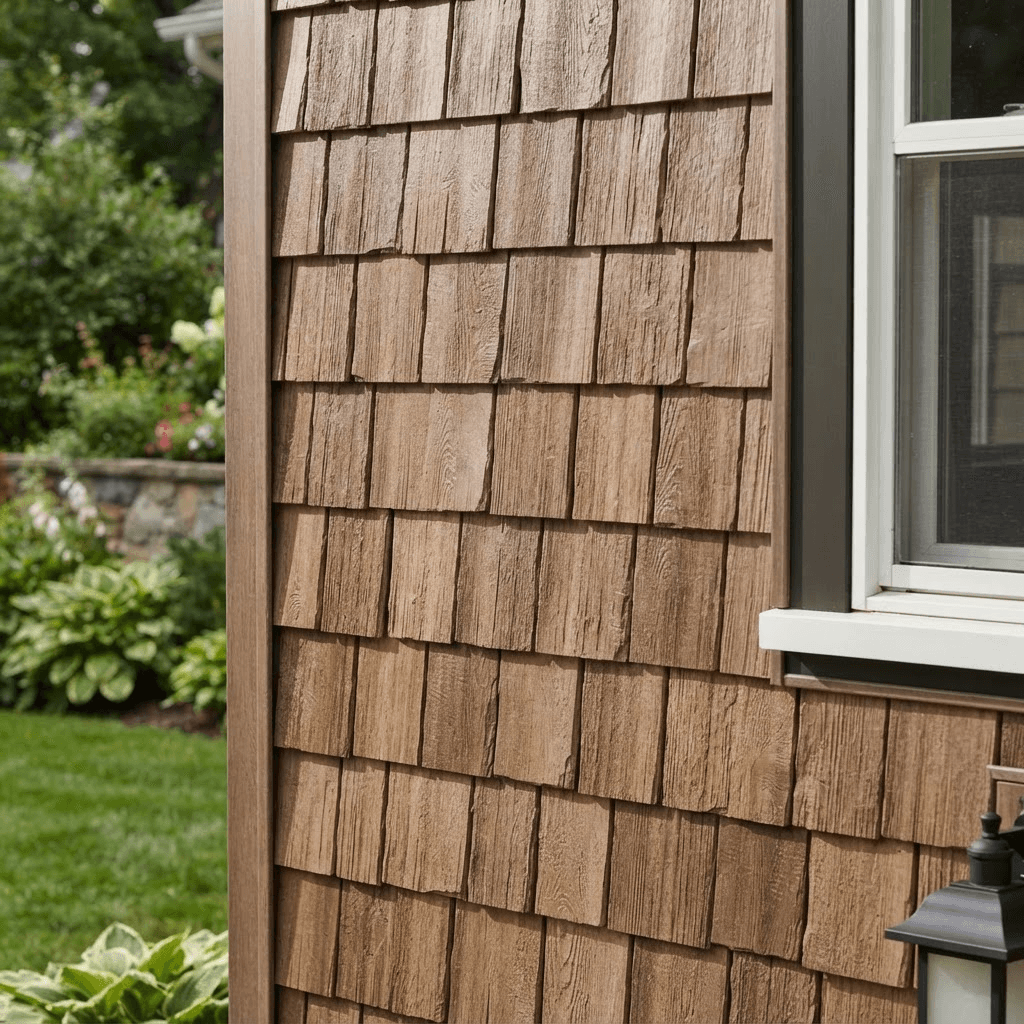
Shake siding refers to siding styled to look like wood shakes or shingles, individual tapered pieces installed in overlapping rows that create depth and shadow lines across the wall. Traditional shakes are split from cedar and beloved for their natural, rustic beauty, often seen on Craftsman, cottage, coastal, and Cape Cod-style homes, whether covering an entire exterior or used as an accent on gables, dormers, and upper stories. The defining feature is that textured, layered appearance, which reads as far more characterful than flat lap siding or plain panels.
The Maintenance Problem With Real Wood Shakes
The catch with real wood shakes is maintenance, and that's exactly the problem modern materials solve. Genuine cedar shakes look gorgeous but require regular upkeep, staining or sealing, and they're vulnerable to rot, insects, moisture, warping, and fire over time. To keep the coveted shake look without the constant care, manufacturers now offer shake-style siding in engineered wood, fiber cement, vinyl, and metal, each replicating the texture while improving durability. This is where metal siding panels come in as a compelling, low-maintenance way to get the shake aesthetic.
How Metal Shake Siding Panels Work
Metal shake siding panels are designed to replicate the appearance of individual wood shakes, but they come as larger panels, or interlocking sections, of steel or aluminum, stamped and finished to look like rows of shingles. This gives you the textured, dimensional shake look with the performance of metal: it won't rot, warp, or attract insects, it resists fire, and it stands up to harsh weather far better than wood. Because it arrives as panels rather than hundreds of tiny individual shakes, installation is also faster and more straightforward than nailing up real cedar shingles one by one.
Benefits of Metal Shake Siding
The advantages of metal shake panels are substantial:
- Extremely durable and long-lasting, standing up to weather that would wear down wood over time
- Low-maintenance, with no regular staining or sealing the way wood requires
- Fire- and pest-resistant, removing two of the biggest long-term risks of real cedar
- Strong warranties are common, reflecting the material's durability
- Holds its finish well and comes in a range of colors
- Corrosion-resistant, especially aluminum versions, making it a smart pick for wet or coastal climates
In short, you get the charm and curb appeal of shake siding with dramatically less upkeep and much longer life, an appealing combination for homeowners who love the look but not the labor.
Trade-Offs to Consider
There are trade-offs to weigh, of course. Metal shake panels typically cost more upfront than basic vinyl or flat metal siding. Metal can dent under hard impact, aluminum more so than steel, and to the closest inspection a panel isn't identical to genuine hand-split cedar, though quality products are very convincing. As with any siding, proper professional installation matters, so the panels lock together correctly and stay weathertight.
Is Metal Shake Siding Right for Your Home?
If you want that timeless, textured cedar-shake character but prefer a material that resists rot, fire, insects, and weather while needing little maintenance, metal shake siding panels are an excellent modern choice. Get quotes from reputable siding installers, compare materials and warranties, and enjoy the look for decades.
If you are still weighing materials for the rest of the exterior, our siding and exterior material guides compare the common options side by side.
Frequently Asked Questions
Is shake siding or metal siding better? It depends on your priorities. Shake siding (real or engineered wood) delivers a warm, textured, traditional look but needs more maintenance and is vulnerable to rot, insects, and fire unless treated. Metal siding panels are extremely durable, low-maintenance, fire-resistant, and modern-looking, though they cost more up front and can dent. Choose shake for classic charm and metal for longevity and low upkeep.
How long does metal siding last? Quality metal siding can last 40 years or more, often outlasting many other siding materials, especially when it has a good protective finish. It resists rot, insects, and fire, and needs little maintenance beyond occasional cleaning. Coastal or industrial environments call for corrosion-resistant coatings to maximize its lifespan.
Does shake siding require a lot of maintenance? Real wood shake needs periodic sealing, staining or painting, and inspection for rot, cracks, and insect damage, so it is higher maintenance than most alternatives. Engineered or composite shake reduces upkeep significantly while keeping the look, making it a popular middle ground for homeowners who love the style but not the maintenance.
Can I install siding myself? Some handy DIYers install siding, but proper flashing, moisture barriers, and alignment are critical to prevent leaks and future damage. Metal panels in particular require precise cutting and fastening. Because siding protects the entire structure from the elements, many homeowners hire experienced installers to ensure it is watertight and warrantied.