What Is an ADU? How to Find Home Addition Contractors
An ADU is a second living unit on your property. Here's what ADUs are, the main types, and how to find the right contractor to build one.
What Is an ADU? A Guide to Types and Finding a Contractor
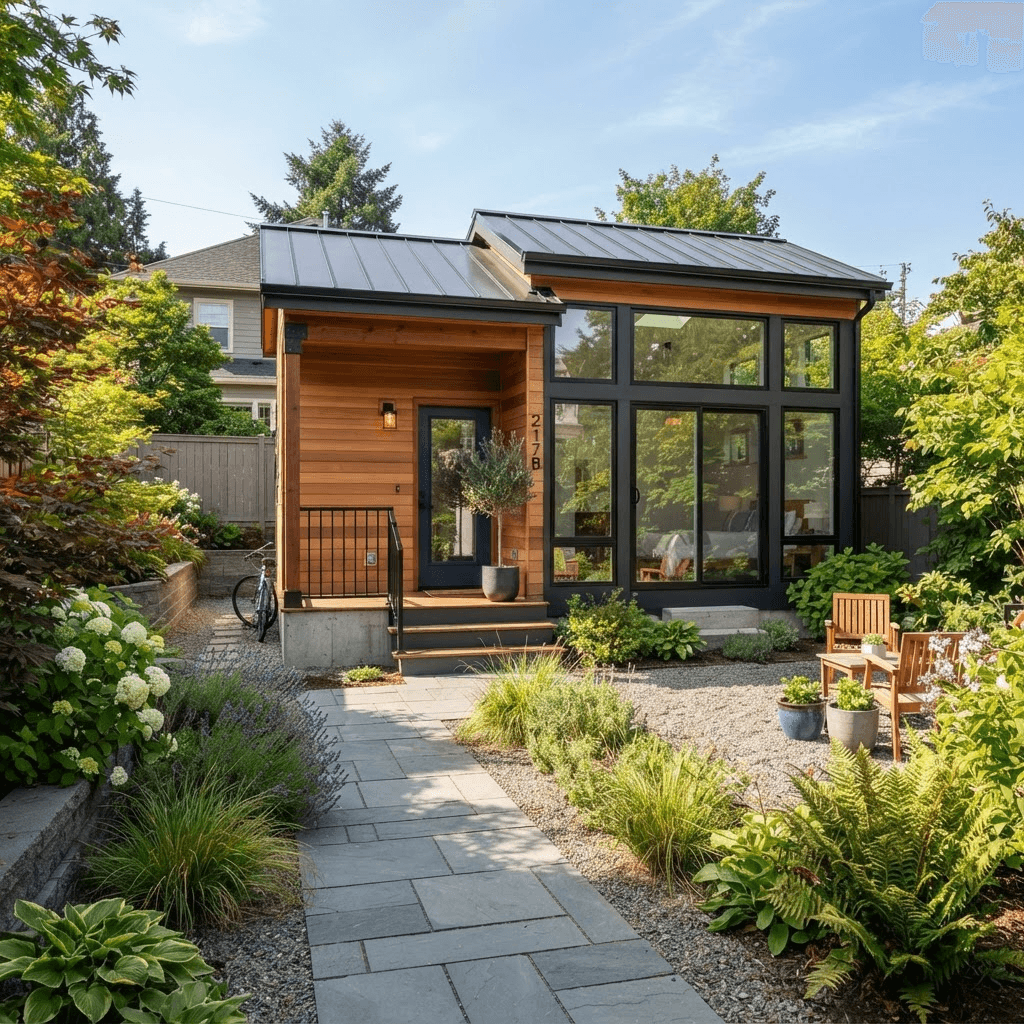
An ADU, or accessory dwelling unit, is a secondary, self-contained living space on the same lot as a main home. Also called an in-law suite, granny flat, backyard cottage, or casita, an ADU has its own kitchen, bathroom, and sleeping area, making it a fully independent residence rather than just an extra room. ADUs have surged in popularity as homeowners look for ways to house family members, generate rental income, or add flexible, valuable space to their property without moving.
Types of ADUs
There are a few main types of ADUs, and the right one depends on your lot and goals:
- Detached ADU: a standalone structure, the classic backyard cottage, offering the most privacy and flexibility.
- Attached ADU: built onto the existing home, sharing a wall but with its own entrance.
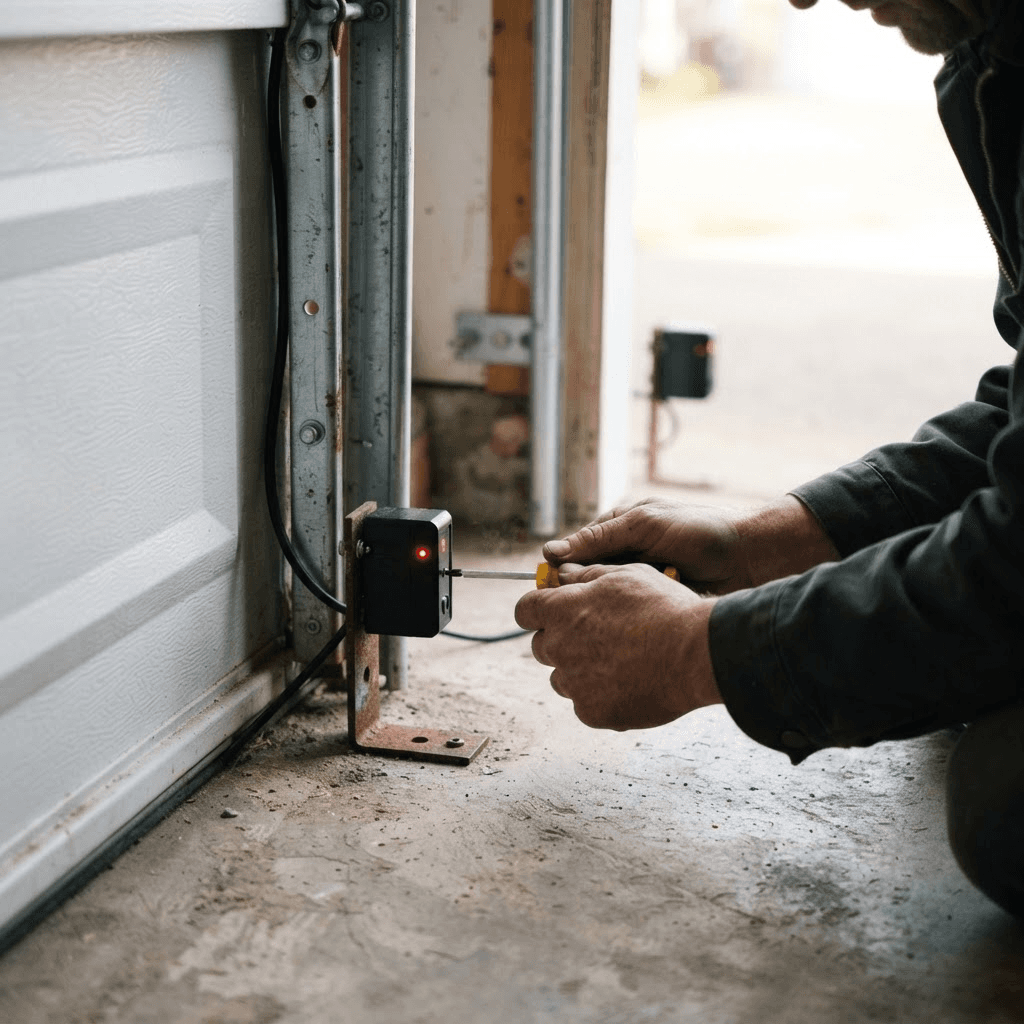
- [Garage conversion](/blog/garage-door-insulation-how-to-insulate-your-garage-door): turns an existing garage into a living unit, often the most cost-effective route since the structure already exists.
- Basement or interior conversion: carves a separate unit out of existing space within the home.
Each has different cost, privacy, and permitting implications.
Why Homeowners Build ADUs
The appeal of an ADU comes down to versatility and value. Homeowners use them to house aging parents or adult children close by while preserving everyone's independence, to earn rental income, to create a home office or studio, or simply to add square footage and resale value to the property.
Because they add a functional dwelling, ADUs often deliver strong returns, though they're a significant construction project governed by local zoning, size limits, setback rules, and permitting requirements that vary widely by location, so checking your local regulations early is essential.
What Kind of Contractor Do You Need for an ADU?
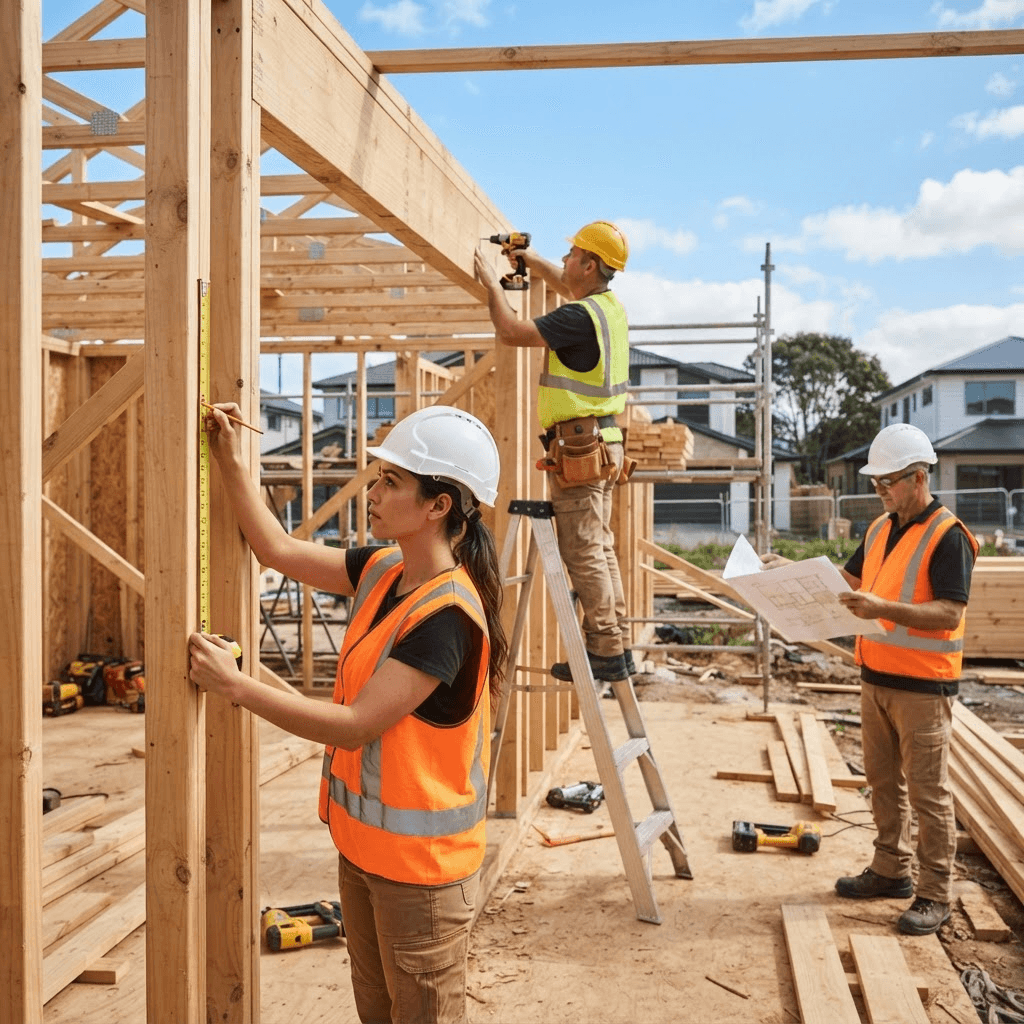
Building an ADU or any major home addition hinges on hiring the right contractor, and that starts with knowing what kind of pro you need. For a substantial project you'll want a licensed general contractor experienced specifically in additions or ADUs, and depending on scope, a designer or architect to draw plans.
Some companies specialize in ADUs and handle design, permitting, and construction as a package, which can simplify the process considerably. Match the professional to the size and complexity of your project.
How to Find Home Addition and ADU Contractors
To find good candidates, use several channels:
- Referrals from friends, neighbors, or coworkers who've done additions are the most trustworthy leads.
- Online directories and review platforms, look for contractors who showcase ADU or addition projects in their portfolios.
- Local experience, check that they regularly work in your city, since familiarity with your area's permitting and zoning is a major advantage.
Aim to gather at least three contractors so you can compare their approach, experience, and pricing on equal footing.
How to Vet an ADU or Addition Contractor
Vetting protects a large investment:
- Verify licensing, bonding, and insurance.
- Review portfolios for completed additions similar to yours.
- Ask for and contact references.
- Confirm they'll handle permits and understand local ADU regulations.
- Get detailed, written, itemized estimates so you're comparing the same scope rather than a vague total.
- Ask about timeline, who supervises the site, and what warranty they provide.
Be cautious of a bid far below the others, which usually signals missing scope or corners cut.
The Bottom Line
Choose the contractor who combines relevant experience, solid references, clear communication, and transparent pricing, and your ADU or addition is far more likely to finish on time, on budget, and exactly as planned.
For the budgeting and permitting work that runs parallel to hiring, browse our home addition planning guides.
Frequently Asked Questions
What exactly counts as an ADU? An accessory dwelling unit is a secondary, self-contained living space on the same lot as a primary home, with its own kitchen, bathroom, and sleeping area. It can be a detached backyard cottage, a converted garage, a basement or attic conversion, or an attached addition. The defining feature is that it functions as an independent home, not just an extra room.
Do I need a permit to build an ADU? Almost always, yes. ADUs involve structural, electrical, and plumbing work that must meet local building codes and zoning rules, so permits are required. Many areas have loosened ADU regulations in recent years to encourage housing, but setbacks, size limits, and parking requirements still vary widely, so check with your local planning department before you design.
How do I find a good home addition contractor? Look for licensed, insured general contractors with specific ADU or addition experience, ask for local references and photos of completed projects, and get at least three detailed written bids. Verify they pull permits and understand your area's ADU rules. A contractor who has navigated local ADU approvals before will save you time and costly mistakes.
Are ADUs a good investment? They can be. ADUs can generate rental income, house family members, or add flexible living space, and they often boost property value more than their cost. The return depends on local rents, construction costs, and regulations, so run the numbers for your specific situation before committing.