What Is an Air Conditioner Condenser? (Central AC Setup)
The condenser is the outdoor half of your central AC and the heart of how it cools. A plain-English guide to what it does and how a central system fits together.
What Is an Air Conditioner Condenser? (Central AC Setup Explained)
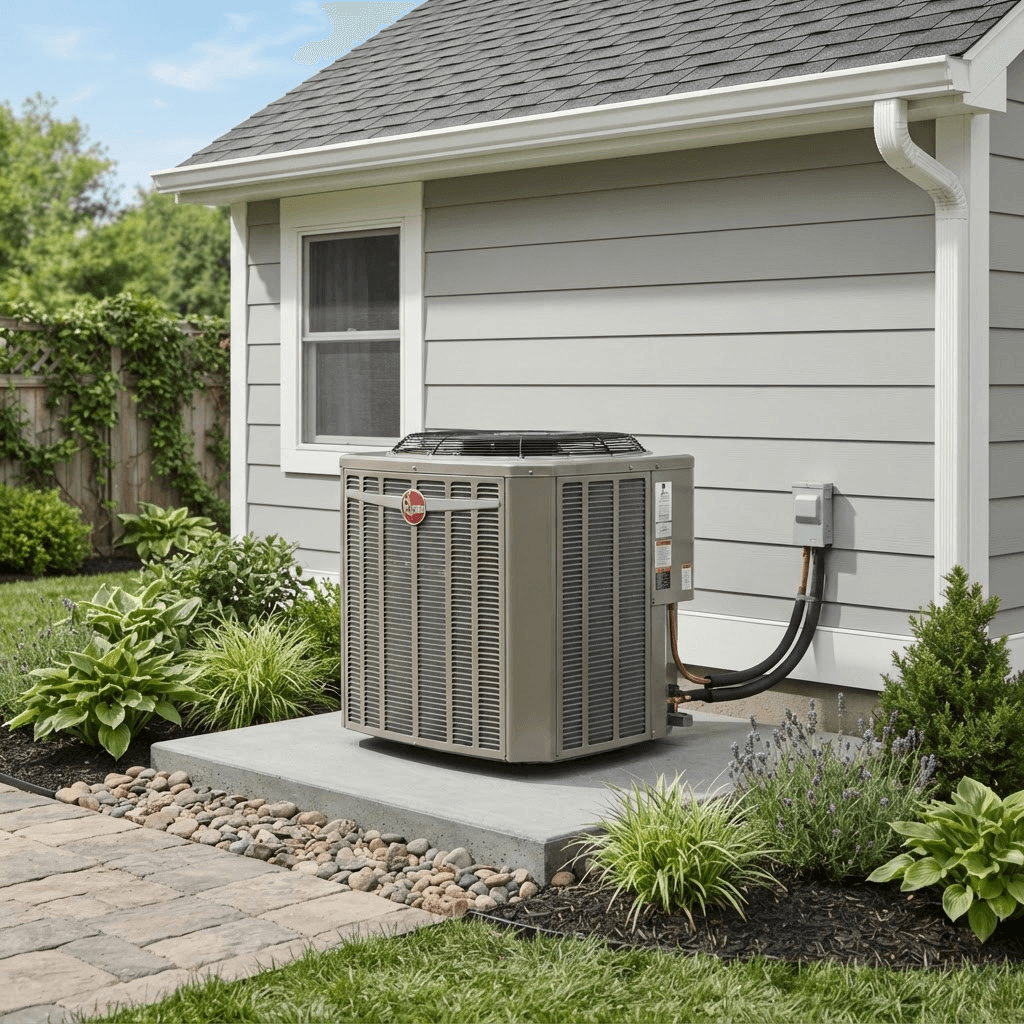
If you have central air conditioning, you have almost certainly seen the big metal box humming away outside your home in summer. That unit is the air conditioner condenser, and it is the heart of how your home stays cool. Understanding what the condenser does, how it fits into the larger central AC system, and how to keep it healthy helps you troubleshoot problems, talk confidently with technicians, and get the most efficient cooling out of your equipment.
What the Condenser Actually Does
The condenser is the outdoor component of a split central air conditioning system, and its job is to release the heat your system pulls out of your home. Air conditioning does not create cold, it moves heat, and the condenser is where that captured heat is dumped outside. Inside the unit, refrigerant that has absorbed heat from your indoor air arrives as a hot, high-pressure gas. The condenser cools that gas back into a liquid, releasing the heat to the outdoor air with the help of a fan, then sends the refrigerant back inside to absorb more heat. This cycle repeats continuously while your AC runs.
The Key Parts of a Condenser Unit
A condenser unit contains several important components working together:
- The compressor, often called the heart of the system, pressurizes the refrigerant and drives it through the cycle.
- The condenser coil, a network of tubing and fins where the hot refrigerant releases its heat.
- The fan, which pulls outdoor air across the coil to carry heat away.
- Controls and electrical components, including the contactor and capacitor that start and run the compressor and fan.
When any of these parts fail, the condenser cannot release heat properly, and your home stops cooling.
How Central AC Systems Are Set Up
A split central air conditioning system has two main halves working in tandem:
- The outdoor unit (the condenser), which contains the compressor, condenser coil, and fan, and handles releasing heat outside.
- The indoor unit (the evaporator), usually paired with your furnace or air handler, which contains the evaporator coil that absorbs heat from your indoor air.
Connecting them are refrigerant lines that carry the refrigerant back and forth, and a duct system that distributes the cooled air throughout your home. A blower moves warm indoor air across the cold evaporator coil, the air gives up its heat and moisture, and the now-cool air is blown through the ducts into your rooms while the captured heat travels outside to the condenser.
Why Placement and Airflow Matter
Because the condenser's whole job is releasing heat, it needs to breathe. It should be installed in a spot with plenty of clearance on all sides and above, so the fan can pull in fresh outdoor air and exhaust the heat freely. Crowding the unit with shrubs, fences, debris, or stacked items chokes airflow and forces the system to work harder, raising energy bills and shortening its life. Keeping at least a couple of feet of clearance around the unit and a clear space above it is one of the simplest ways to protect efficiency.
Common Condenser Problems
Several issues commonly affect condensers:
- A dirty coil, clogged with dust, grass clippings, and grime, insulates the coil and prevents heat release.
- A failed capacitor or contactor, which stops the compressor or fan from starting, a very common and relatively inexpensive repair.
- Low refrigerant from a leak, which reduces cooling capacity and signals a problem that needs professional attention.
- A failing compressor, the most serious and expensive failure, sometimes making replacement of the whole unit more sensible.
Many of these show up as an AC that runs but does not cool, or an outdoor unit that will not start.
Maintaining Your Condenser
A little maintenance goes a long way toward keeping the condenser efficient and extending its life. Gently rinse the coil fins with a hose each season to clear dirt and debris, keep vegetation trimmed well back from the unit, clear leaves and grass from around and inside the base, and make sure the unit sits level on its pad. Schedule an annual professional tune-up to check refrigerant levels, electrical components, and the compressor. Replacing your indoor air filter regularly also helps the whole system run smoothly, since restricted airflow strains the outdoor unit too.
Final Thoughts
The air conditioner condenser is the outdoor workhorse of your central AC system, releasing the heat pulled from your home so the refrigerant cycle can continue. Working with the indoor evaporator coil, refrigerant lines, and ductwork, it keeps your whole house comfortable in summer. Give it clearance and airflow, keep the coil clean, and schedule regular maintenance, and your condenser will deliver efficient, reliable cooling for many years, while a little knowledge of how it works makes any repair conversation far less intimidating.
If you want to understand the rest of the system the condenser works with, our home cooling explainers break down each component in turn.