What is HVAC?
HVAC stands for heating, ventilation, and air conditioning, the system that keeps your home comfortable and its air healthy year-round.
What Is HVAC? Heating, Ventilation, and Air Conditioning Explained
HVAC stands for Heating, Ventilation, and Air Conditioning, the system responsible for keeping your home comfortable, safe, and healthy year-round. It is one of the most important, and most energy-hungry, systems in any house, typically accounting for a large share of a home's total energy use. Understanding what HVAC is and how it works helps you make smarter decisions about comfort, efficiency, and cost, whether you are maintaining an existing system or planning an upgrade.
The Three Parts of HVAC
The name itself describes its three core jobs. Heating is handled by equipment like a furnace, boiler, or heat pump that warms your home in cold weather. Ventilation moves fresh air in and stale air out, controls humidity, and filters out dust, allergens, and pollutants so the air stays healthy to breathe. Air conditioning removes heat and humidity from indoor air to keep you cool in summer. Together, these three functions maintain a comfortable and consistent indoor climate no matter the season.
How an HVAC System Works
Most homes use a central, ducted system. A thermostat senses the indoor temperature and signals the equipment to turn on when heating or cooling is needed. Conditioned air is then pushed through a network of ducts and delivered to each room through vents, while return ducts pull air back to be reconditioned and filtered. Not every home is ducted, though, ductless mini-split systems condition individual rooms or zones directly, which makes them a flexible option for additions, older homes, or targeted comfort.
Common Types of HVAC Systems
There is no single kind of HVAC system, and the right one depends on your home and climate:
- Split systems, the most common, pair an outdoor unit (AC or heat pump) with an indoor furnace or air handler.
- Heat pump systems handle both heating and cooling in one unit and are highly efficient.
- Ductless mini-splits condition individual zones without ductwork.
- Packaged systems combine all components in a single outdoor unit, common where indoor space is tight.
- Boilers and radiant systems heat with hot water rather than forced air.
Knowing which type you have helps you maintain it correctly and plan upgrades.
Heat Pumps: The Efficient Modern Option
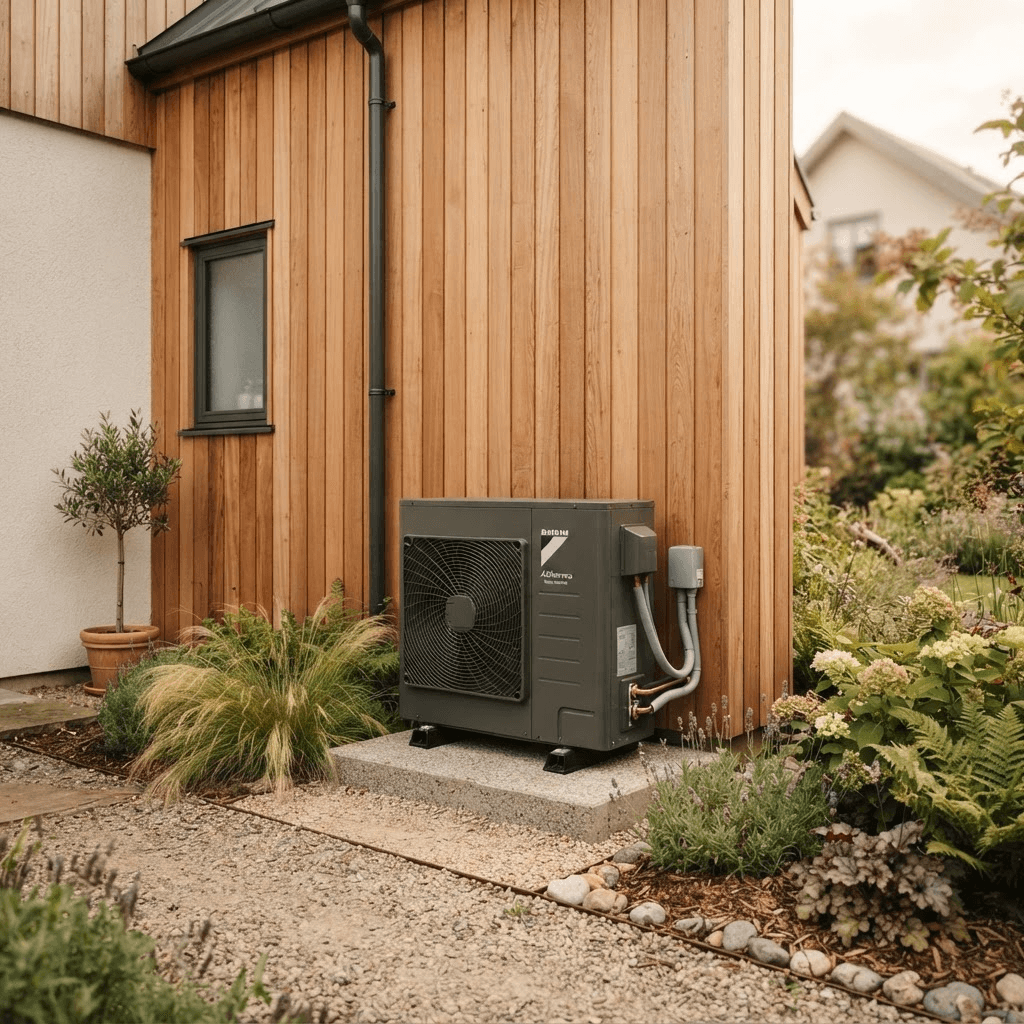
One of the most important developments in home comfort is the heat pump, which handles both heating and cooling in a single system. Instead of burning fuel, a heat pump moves heat, pulling warmth from outside air into your home in winter and pushing heat out in summer. Because moving heat is far more efficient than generating it, modern heat pumps can deliver several times more energy in comfort than they consume in electricity. They pair especially well with rooftop solar, since running an efficient electric system on your own clean power can dramatically cut both energy bills and carbon emissions.
Efficiency, Maintenance, and What SEER and AFUE Mean
When shopping for HVAC equipment, you will encounter efficiency ratings. Cooling efficiency is measured by SEER (Seasonal Energy Efficiency Ratio), and heating efficiency by AFUE (Annual Fuel Utilization Efficiency) for furnaces or HSPF for heat pumps, higher numbers mean lower operating costs. Choosing a right-sized, high-efficiency unit matters as much as the rating itself, because an oversized system cycles on and off too often and wastes energy.
Routine maintenance keeps any HVAC system running efficiently and extends its life. Change or clean filters regularly, keep vents unobstructed, and schedule professional tune-ups so small issues are caught before they become expensive breakdowns. A well-maintained system uses less energy, lasts longer, and keeps your indoor air cleaner.
The Role of Ductwork and Ventilation
The "V" in HVAC is easy to overlook, but ventilation is critical to health and comfort. Leaky or poorly designed ductwork can waste a large share of the energy your system produces, so sealing and insulating ducts is one of the best efficiency upgrades available. Good ventilation also controls humidity and removes stale, polluted indoor air. In tightly sealed modern homes, mechanical ventilation such as an energy recovery ventilator (ERV) brings in fresh air without wasting energy.
Why HVAC Matters for Your Home
Because HVAC drives such a large portion of home energy use, it is one of the highest-impact areas for improving comfort and cutting costs. Sealing and insulating your home first reduces the load on the system, letting you install smaller, cheaper equipment. Then upgrading to an efficient heat pump, especially alongside solar, turns your HVAC from a major expense into a comfortable, low-cost, low-emission system that serves your home for many years.
Final Thoughts
HVAC is the system that quietly keeps your home livable in every season, heating, cooling, ventilating, and filtering the air you breathe. Understanding its three functions, the main system types, efficiency ratings, and the importance of maintenance and ductwork empowers you to make smart choices. Whether you are repairing an aging unit or planning a full upgrade to an efficient heat pump, a well-chosen, well-maintained HVAC system delivers comfort, health, and savings for decades.
To go deeper on any of the three functions above, browse our HVAC basics library.