When Is the Best Time to Install Solar Panels? How long do Solar Panels Last?
Find out the best time of year to install solar panels, why acting sooner pays off, and how long solar panels actually last before they degrade.
When Is the Best Time to Install Solar Panels? How Long Do Solar Panels Last?
Two questions come up again and again for anyone weighing solar: when should I install it, and how long will it actually last? The reassuring answer to both is that solar rewards patience and rewards acting early at the same time. The best moment to install is usually sooner rather than later, and once panels are up, they'll quietly produce power for 25 to 30 years or more.
When Is the Best Time of Year to Install Solar Panels?
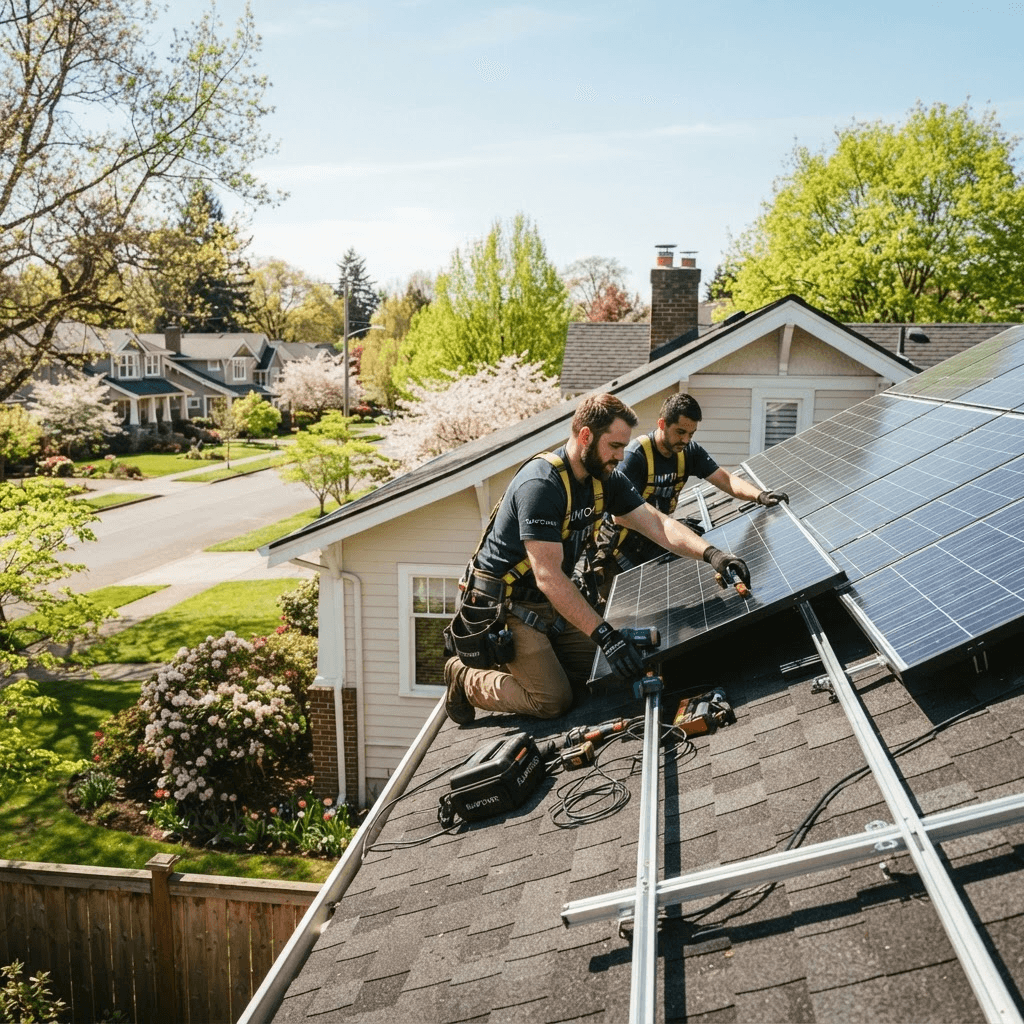
Let's tackle timing first, starting with the seasons. You can install solar year-round, but spring and fall tend to be the sweet spots:
- Installers are often less booked than in the summer rush
- Weather is mild enough for efficient rooftop work
- Finishing before summer means your system is ready to capture the long, sunny days when production and savings peak
Why Installing Sooner Is a Financial Advantage
Season aside, the strongest timing argument is financial.
- [Tax credits don't last forever.](/blog/how-much-do-solar-panels-cost-california-pricing-guide) The federal tax credit currently returns 30 percent of your system cost, but incentives like this are periodically reduced or phased out, so waiting can mean leaving money on the table.
- Utility rates keep climbing. Every year you delay is another year of paying full price for grid power you could have offset.
- Compounding payback. Because a solar system pays for itself over time and then generates nearly free power for decades, starting sooner means you reach payback sooner and enjoy more years of free electricity on the far side.
In that sense, the best time to install was years ago, and the second best time is now.
If you are weighing acting now against waiting, our payback period calculator shows what a year of delay costs you in forgone savings.
Personal Factors That Affect Your Ideal Timing
A few personal circumstances refine the timing further:
- Roof condition: If your roof is nearing the end of its life, replace or repair it before installing panels so you're not paying to remove and reinstall them later.
- Future energy needs: If you're planning to add an electric vehicle, a heat pump, or an addition, factor that future load into the system size now.
- [Net metering changes](/blog/what-is-net-metering-irradiance-solar-explained): If your utility is about to change its net metering rules, installing before the change can lock in better terms.
How Long Do Solar Panels Last?
Now to longevity, which is where solar really shines. Quality solar panels are typically warrantied for 25 years, but a warranty is a floor, not a ceiling. Panels rarely stop working at that mark; instead they keep producing well beyond it, often for 30 years or more, just at a gradually reduced output. The technology has no moving parts, which is a big reason it lasts so long.
Understanding Solar Panel Degradation
That gradual decline is called degradation. Panels lose a small fraction of their output each year, commonly around half a percent, so a typical panel still generates roughly 85 to 90 percent of its original power after 25 years. In practical terms, a system installed today will still be doing most of its job when it's old enough to have a driver's license and then some.
Which Solar Components Wear Out First?
Not every component lasts as long as the panels, and it helps to know that going in:
- Inverter: The part most likely to need replacement during the system's life, often once at some point over the decades, though microinverters tend to last longer than central string inverters.
- [Battery replacement timing](/blog/lithium-solar-batteries-how-long-do-they-last): If you add one, plan on replacing it once over the life of the panels, since storage wears on a faster timeline than the modules themselves.
How to Help Your Solar Panels Last Even Longer
A little care extends everything:
- Keep panels reasonably clean and unshaded
- Ensure good airflow underneath so they don't overheat
- Monitor output so you catch any drop early
Because there's so little to maintain, most of "maintenance" is simply paying attention and clearing the occasional buildup of leaves, dust, or snow.
Timing is only one part of the decision, and our solar planning resources walk through cost, financing, and system size as well.
Frequently Asked Questions
Is spring or fall really the best time to install solar? Yes — mild weather and lower installer demand make these shoulder seasons ideal, and finishing before summer lets you capture peak sun production right away.
Do solar panels stop working after 25 years? No. The 25-year figure is a warranty period, not an expiration date. Panels typically keep producing at a reduced output for 30 years or more.
What part of a solar system needs replacing first? The inverter is usually the first component to need replacement, often once over the system's lifetime. Batteries, if installed, typically need replacing sooner than the panels themselves.
The Bottom Line
Put timing and lifespan together and the picture is clear: install when incentives are strong, your roof is ready, and ideally in a shoulder season — which usually means now rather than later — and you'll be rewarded with a system that keeps working for the better part of three decades. Few home investments start paying off so quickly and then keep delivering for so long.
How Long Do Solar Panels Really Last?
Modern solar panels are built to endure decades of weather. Most carry a product warranty of 12 to 25 years and a performance warranty guaranteeing around 85 to 90 percent of original output at the 25-year mark. In practice, panels commonly keep producing usefully for 30 years or more, just at a gradually reduced level. They are among the most durable pieces of technology a homeowner can buy, with no moving parts to wear out.
Understanding Degradation Rates
Panels lose a small amount of output each year, a process called degradation, typically 0.4 to 0.7 percent annually. A panel producing 100 percent in year one might deliver around 85 percent in year twenty-five. This decline is slow, predictable, and already built into any credible savings estimate, so it should be viewed as normal aging rather than failure. Higher-quality panels tend to degrade more slowly, which is one reason premium modules can be worth their cost over the long run.
Which Component Fails First?
The panels themselves rarely fail; the inverter is usually the first component to need replacement. String inverters often last 10 to 15 years, meaning you should plan for one replacement over the system's life. Microinverters and some hybrid inverters carry longer warranties, sometimes 25 years, which can reduce or eliminate that mid-life replacement cost. Budgeting for an eventual inverter swap keeps your long-term numbers realistic.
Making Panels Last Even Longer
You can help panels reach the far end of their lifespan with a little care. Keep them reasonably clean and free of heavy debris, ensure vegetation does not grow to shade them, and have a professional inspect mounting and wiring periodically. Choosing a reputable installer and quality components from the start matters most, since a sound installation avoids the water intrusion and mounting issues that cause premature problems.
Frequently Asked Questions
How long do solar panels last? Most panels last 25 to 30 years or more, retaining around 85 to 90 percent of their output at 25 years thanks to slow, predictable degradation.
Do solar panels stop working after their warranty ends? No. The warranty guarantees a performance level, but panels typically keep producing beyond it at a gradually reduced output rather than shutting off.
What part of a solar system fails first? Usually the inverter, which often needs replacement once during the system's life, typically after 10 to 15 years for a string inverter.
When is the best time of year to install solar? Spring and fall are ideal, with milder weather and shorter installer wait times, so the system is ready before the high-production summer months.