Top 3 Best Jobs in Renewable Energy (Wind Plant Technician)
Wind turbine technician, solar installer, and battery storage technician are the three strongest entry points into renewable energy. What each involves and pays.
Top 3 Best Jobs in Renewable Energy (Wind Plant Technician)
Renewable energy has quietly become one of the most reliable places to build a technical career without a four-year degree. The work is skilled, the training is short, and the assets being built have 20- to 30-year service lives — which means someone has to maintain them for decades. If the sector itself is new to you, our overview of what renewable energy is and why it matters is a useful starting point.
Three roles stand out for pay, stability, and how quickly you can enter them.
1. Wind turbine technician
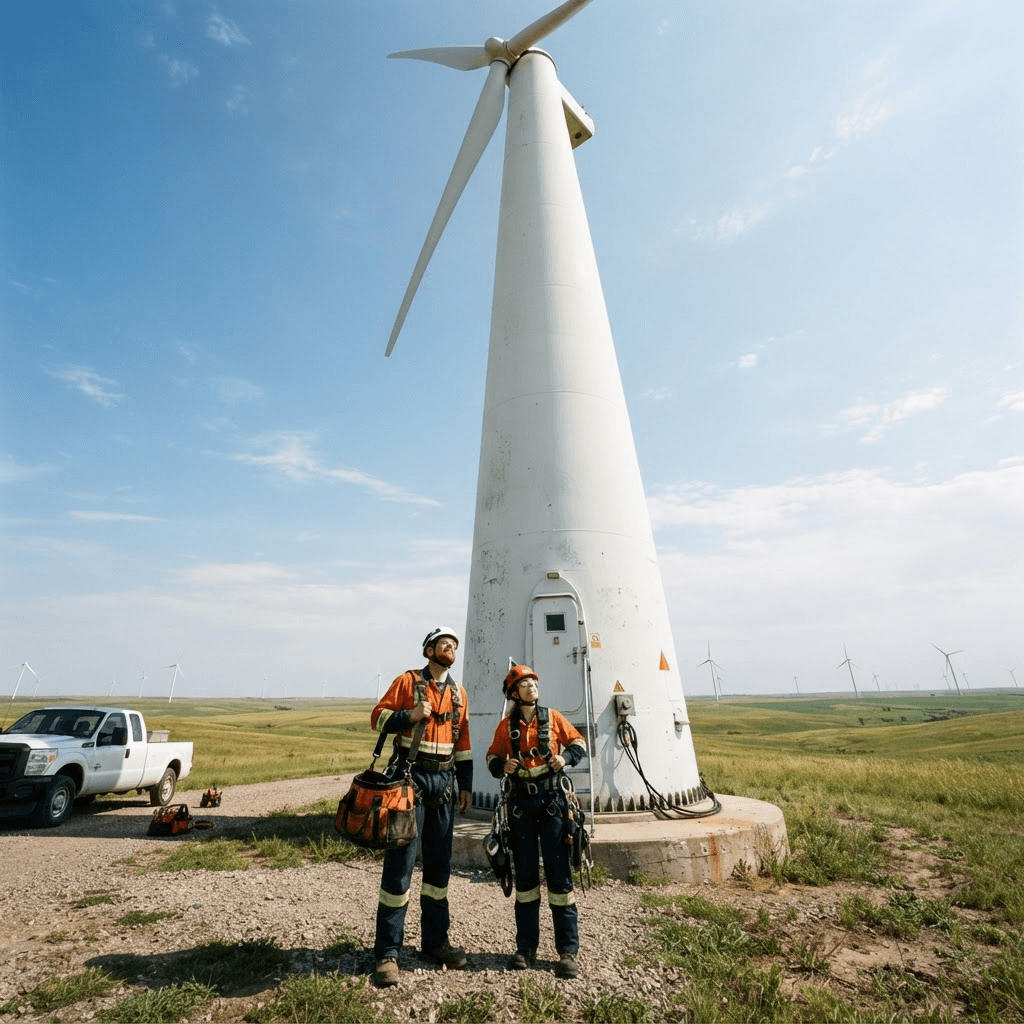
Wind techs maintain and repair utility-scale turbines, which means climbing them. A modern tower runs roughly 250 to 350 feet, and you ascend it — with an assisted-climb system on newer units, by ladder on older ones — carrying tools.
What the job involves
- Scheduled maintenance: torque checks, lubrication, filter and fluid changes, blade inspection.
- Troubleshooting: diagnosing gearbox, generator, yaw, pitch, and hydraulic faults.
- Electrical work: converters, switchgear, control systems, sensors.
- Fiberglass repair on blades, sometimes suspended from the nacelle.
You work in pairs, communicate by radio, and follow rescue and tie-off procedure constantly. Weather stops work regularly, and you spend a lot of time driving between towers across a large site.
Why it is worth considering
Turbine technician has been among the fastest-growing occupations in the country for years, largely because the installed fleet keeps expanding while the trained workforce does not. Entry is via a technical certificate — commonly a one- or two-year community college program — or through a manufacturer's own training pipeline.
Pay is strong for the education required, travel-heavy roles pay more, and the ceiling includes site lead, commissioning technician, and regional service manager.
The honest downsides
You must be genuinely comfortable at height and in confined spaces, and physically able to climb repeatedly in the heat and cold. Many entry roles are travel-based, meaning weeks away from home. Wind sites are rural by nature, so relocation is usually part of the deal.
2. Solar PV installer and technician
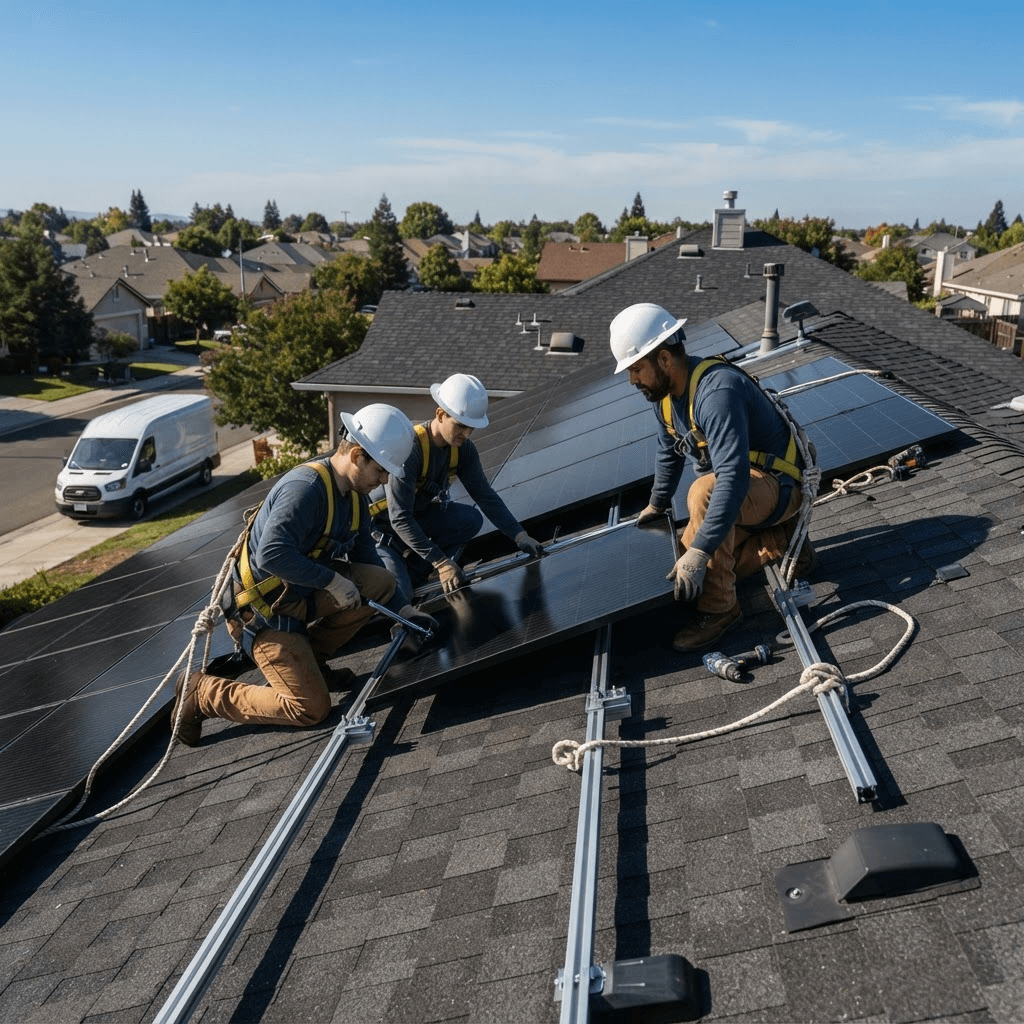
Solar is the highest-volume employer in renewables and the easiest to enter, because most companies train from zero. A crew handles racking, module mounting, roof flashing, conduit, inverters, and interconnection.
The trajectory is what makes it valuable: helper to installer, installer to lead, lead into the licensed electrical side, where the pay is best. Along the way you learn how solar cells generate electricity and how inverters and system voltage work in practice rather than in theory.
Compared with wind, solar means less height, more roofs, and generally local work — you sleep at home. Our full breakdown of how to get hired in solar installation and sales covers the entry paths in detail.
3. Battery storage and grid technician
This is the newest of the three and the least crowded. Storage is being deployed alongside nearly every new solar and wind project, and someone has to commission, monitor, and service those systems.
The role blends several skill sets:
- High-voltage DC safety, which is genuinely different from AC work and unforgiving of guesswork.
- Thermal management — batteries live or die by cooling.
- Controls and communications, since these are software-managed assets.
- Commissioning, meaning you prove a system performs as designed before it is handed over.
Because storage is newer, employers hire from adjacent fields: solar electricians, industrial maintenance techs, HVAC controls people, and ex-military electronics technicians all transition in. Understanding battery behavior matters more than a specific credential, and how long lithium batteries actually last is the right place to start.
Comparing the three
- Fastest to enter: solar. Many companies hire with no experience at all.
- Highest entry pay for a short program: wind. The certificate pays for itself quickly.
- Best long-term scarcity: storage. Fewer trained people, growing deployment.
- Best if you want to stay local: solar.
- Best if you do not mind travel: wind.
- Best if you like controls and diagnostics over physical work: storage.
How to start this year
- Get OSHA 10 or 30. Cheap, quick, and expected across all three roles.
- Add the specific safety training. Tower rescue and climb certification for wind; fall protection for solar; arc flash and NFPA 70E awareness for storage.
- Enroll in a wind tech program if that is your target — they are short, and placement rates are high.
- Take a solar installer job now if you want income immediately while you decide. It is the best-paid way to find out whether you like the sector.
- Apply to independent service providers, not only the original equipment manufacturers. They maintain fleets across brands and often train more broadly.
All three roles share one advantage worth naming: the equipment is already built and cannot be moved. The maintenance work stays where the assets are, for as long as they run.