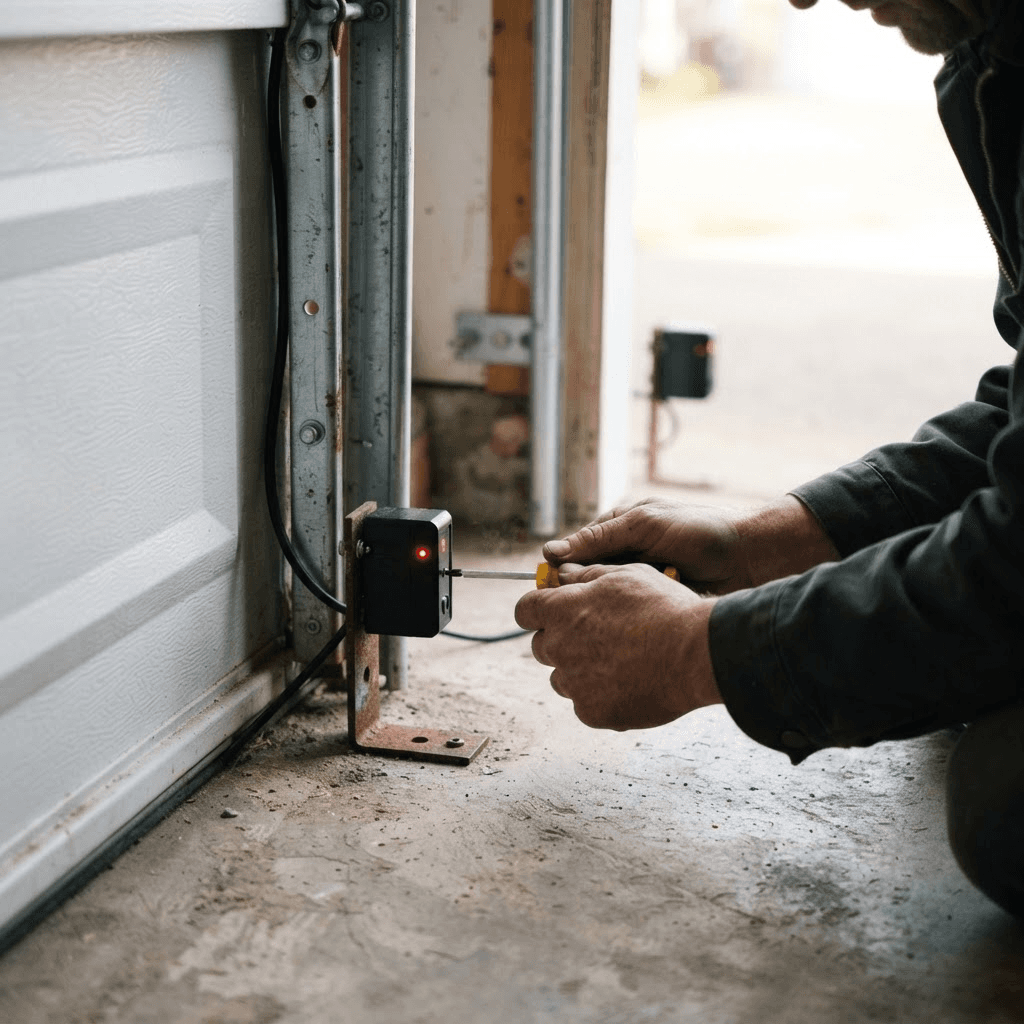
Garage Door Insulation: How to Insulate Your Garage Door
How to insulate a garage door yourself, the benefits, choosing the right insulation kit by R-value, and step-by-step installation instructions.
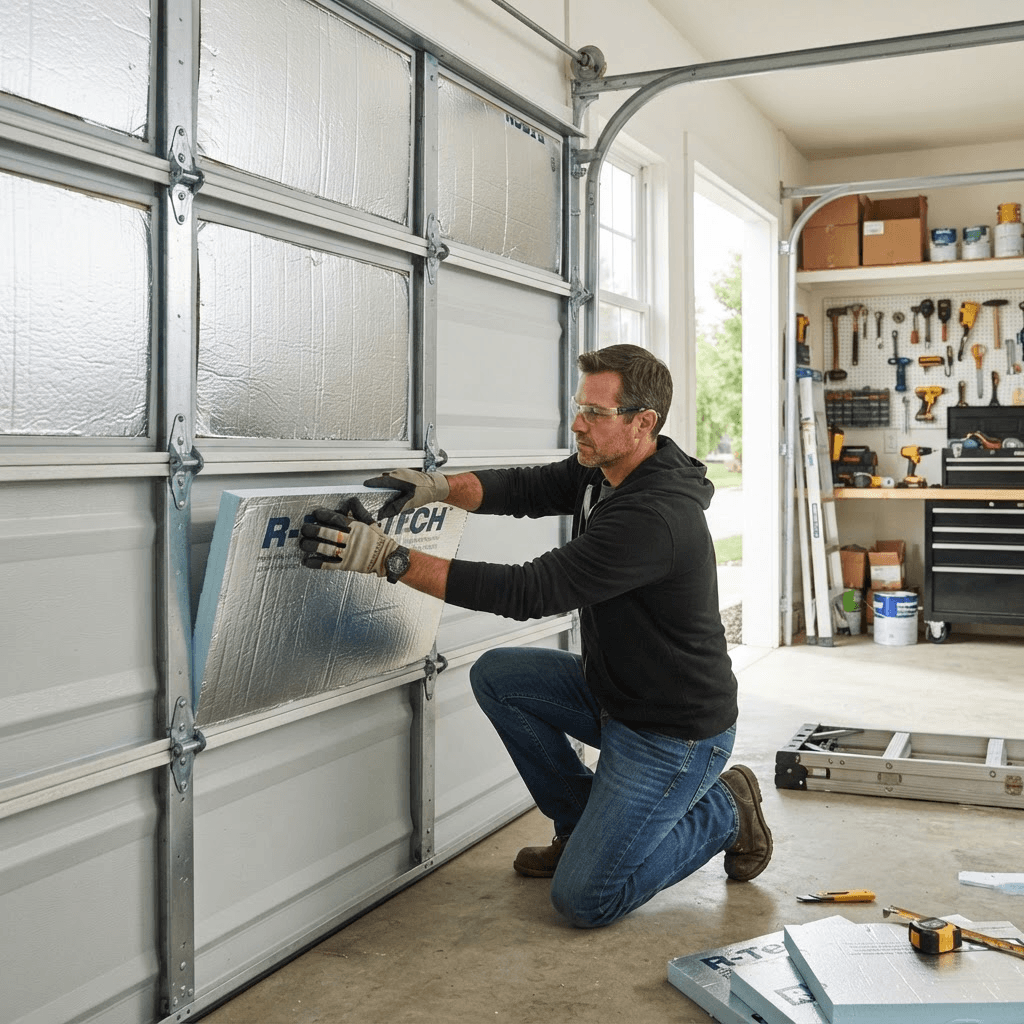
Garage Door Insulation: How to Insulate Your Garage Door
The garage door is usually the largest uninsulated surface on a house, and for most homes it is a major weak point for energy loss. Insulating it is one of the easiest, most affordable, and most satisfying weekend DIY projects, and it pays off in a more comfortable garage and, often, more comfortable rooms nearby. Whether you use your garage as a workshop, gym, or just want to stop it from becoming an oven in summer and an icebox in winter, adding insulation makes a real difference.
The Benefits of Insulating Your Garage Door
The benefits go beyond temperature. An insulated garage door slows heat transfer, keeping the space cooler in summer and warmer in winter, which is especially valuable if you spend time out there or have living space above or beside the garage.
It can also:
- Reduce energy bills by easing the load on your home's heating and cooling.
- Dampen outside noise from traffic and neighbors.
- Make the door itself more rigid and durable, so it handles daily use and weather better.
If any part of your home shares a wall or ceiling with the garage, insulating the door helps those adjacent rooms hold their temperature too, which is why this small project often improves comfort well beyond the garage itself.
Choosing a Garage Door Insulation Kit
Insulation is rated by R-value, which measures resistance to heat flow, higher R-value means better insulating performance. The most common DIY materials come as garage door insulation kits designed to fit the recessed panels of a standard sectional door:
- Rigid foam board panels (polystyrene) offer a good balance of performance, rigidity, and ease of installation.
- Reflective/radiant barrier kits work well in hot, sunny climates by bouncing radiant heat away from the garage.
- Batt insulation with a vinyl facing, similar to wall insulation, provides high R-value and is easy to cut to size.
For most homeowners, a foam board kit hits the sweet spot of cost, performance, and simplicity. If your climate runs to extremes, step up to a higher R-value kit for the best results.
Tools and Materials You Will Need
Before you start, gather a few basics: the insulation kit, a tape measure, a straightedge, a utility knife or sharp scissors, a marker, and gloves. Most kits include the retainer clips or adhesive needed to hold the panels in place. Having everything on hand makes the job go quickly and cleanly.
Step-by-Step: How to Insulate a Garage Door
The process is straightforward and typically takes just a couple of hours:
- Measure each panel of the door carefully, since panel sizes can vary even on the same door.
- Cut the insulation slightly larger than each opening so it fits snugly, using a straightedge and utility knife for clean edges.
- Install the retainer clips (for foam or batt kits) by peeling the adhesive backing and pressing them onto the center of each panel.
- Fit the insulation into each panel, tucking the edges behind the door's frame lip or securing it to the retainer clips.
- Work panel by panel until the whole door is covered, checking that nothing interferes with the door's tracks or rollers.
Take your time with the measuring and cutting, since a snug, gap-free fit is what makes the insulation effective.
Check the Weatherstripping and Seals
Insulating the panels is only half the job. Air also leaks around the edges of the door, so inspect and replace the bottom seal (the rubber gasket along the floor) and the weatherstripping around the sides and top. Fresh seals stop drafts and keep out water, dust, and pests, dramatically improving the door's overall performance for very little cost.
Will Insulation Affect How the Door Operates?
Adding insulation increases the door's weight, which is usually minor but worth noting. On most doors the spring system handles the extra load fine, but if your door becomes hard to open or the opener struggles, a technician can adjust the spring tension. If you are buying a new door entirely, consider a factory-insulated model, which sandwiches insulation between steel skins for the best performance and durability.
Final Thoughts
Insulating your garage door is a high-value, beginner-friendly project that improves comfort, cuts energy loss, reduces noise, and strengthens the door. By choosing the right kit for your climate, measuring and cutting carefully, and refreshing the weatherstripping, you can transform the largest uninsulated surface on your home in a single afternoon. It is one of the best returns on effort in the entire world of DIY home improvement.
If the garage is becoming a workspace or gym, our garage upgrade projects cover the rest of the conversion.
Frequently Asked Questions
Is insulating a garage door worth it? If you use your garage as a workshop, gym, or living space, or if it shares a wall with heated rooms, insulating the door is usually worthwhile. It moderates temperature swings, reduces noise, and can improve comfort in adjacent rooms. For a detached garage used only for parking, the benefit is smaller, so weigh how you actually use the space.
What is the best way to insulate a garage door? Common options include foam board panels cut to fit each section, reflective foil insulation, and pre-made garage door insulation kits with batt-style material. Rigid foam board offers strong insulating value and durability, while kits are convenient and DIY-friendly. Whatever you choose, seal gaps around the door with weatherstripping for the best results.
Will an insulated garage door keep my garage warm in winter? Insulation slows heat transfer, so an insulated door keeps a garage noticeably more stable and comfortable, but it does not add heat on its own. In a heated garage, insulation helps retain warmth and lowers energy use. In an unheated garage, it moderates extremes and keeps the space closer to the surrounding temperature.
Can I insulate my existing garage door myself? Yes, insulating a garage door is a popular DIY project. Measure each panel, cut the insulation to fit snugly, secure it according to the kit or material instructions, and add weatherstripping around the edges. Just avoid adding so much weight that it strains the door opener; heavy additions may require adjusting the springs.