How Long Does a Roof Last?
Roof lifespan depends heavily on the material, from around 20 years for asphalt shingles to 50 or more for metal and tile.
How Long Does a Roof Last? Roof Lifespan by Material Explained
How long a roof lasts comes down mostly to the material it is made from, along with your climate, the quality of the installation, and how well it has been maintained over the years. For most homeowners, a roof is one of the largest and least frequent investments they will make in their house, so understanding its expected lifespan helps you budget, plan renovations, and avoid the surprise of an emergency replacement. Knowing where your roof sits in its life cycle also matters if you are weighing other projects like solar, since coordinating the timing can save you thousands of dollars.
Roof Lifespan by Material
The single biggest factor in how long a roof lasts is what it is made of. Here is how the most common roofing materials compare:
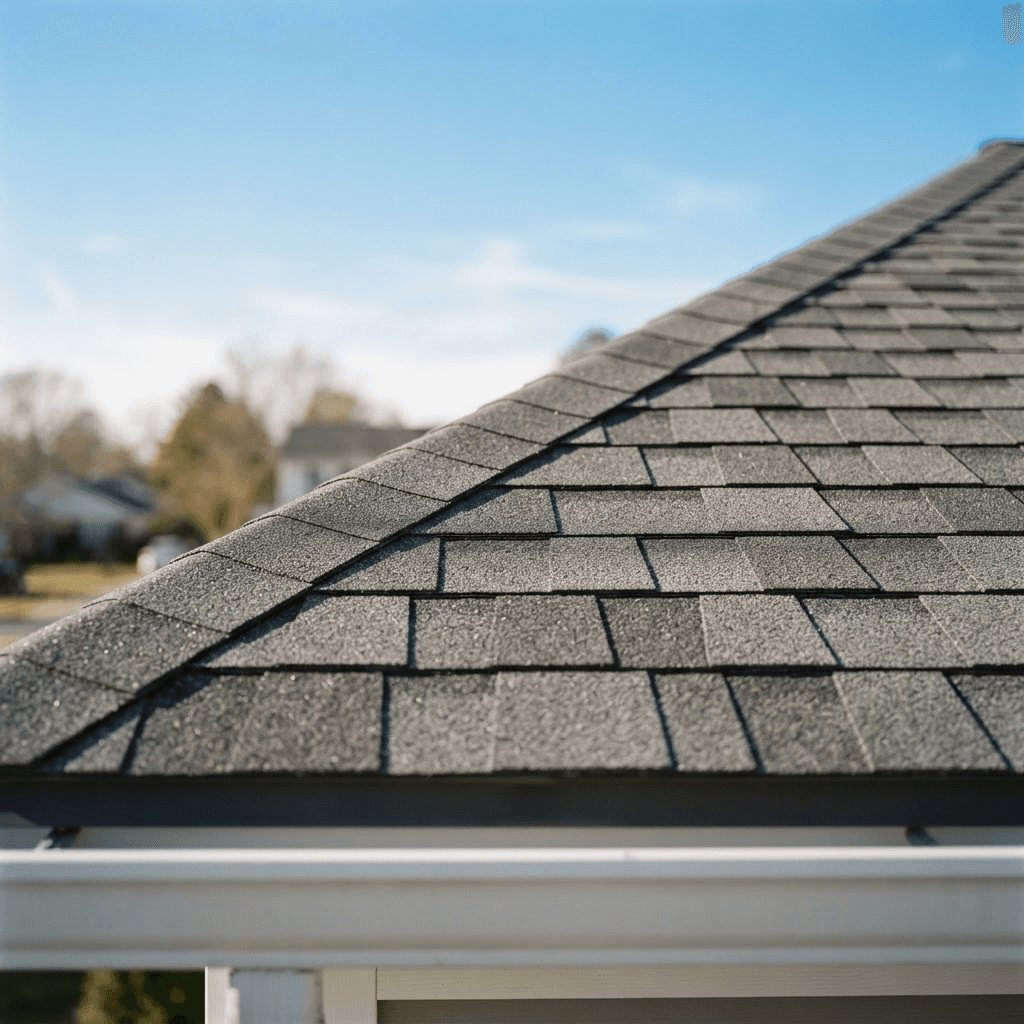
- Asphalt shingles, the most common and affordable choice, typically last 20 to 30 years. Basic three-tab shingles sit at the lower end, while thicker architectural (dimensional) shingles reach the higher end and handle wind better.
- Metal roofing lasts far longer, often 40 to 70 years, resists wind and fire well, and sheds snow easily, which makes it popular in both hot and cold climates.
- Wood shakes and shingles generally last 25 to 30 years but demand regular maintenance and are not ideal in wildfire-prone or very damp regions.
- Clay and concrete tile can last 50 years or more and stand up beautifully to heat and sun, though they are heavy and require a structure built to support them.
- Slate, the longest-lasting option, can protect a home for a century or more, which is why it is often found on historic houses.
How Climate Affects Roof Lifespan
Where you live has a major impact on how long your roof lasts. Intense sun and heat in southern climates break down asphalt shingles faster, while freeze-thaw cycles in cold regions stress every material through repeated expansion and contraction. Coastal homes face salt air and high winds, humid climates encourage algae and moss growth, and areas with frequent hail or storms see accelerated wear. Choosing a material suited to your local climate, and the right underlayment beneath it, can add years to your roof's service life.
What Shortens a Roof's Life
Regardless of material, several factors can cut a roof's lifespan well short of its potential. Poor attic ventilation traps heat and moisture, which bakes shingles from below and encourages rot and mold. Trapped moisture from ice dams or condensation degrades decking and fasteners over time. Severe storms bring wind, hail, and falling debris that can cause sudden damage, and intense UV exposure gradually makes materials brittle. Perhaps the most common culprit of all is skipped maintenance, small issues left unaddressed almost always grow into expensive ones.
Regular inspections, ideally once or twice a year and after major storms, catch small problems like a few lifted or missing shingles, cracked flashing, or clogged gutters before they turn into leaks that damage the structure and interior of your home. Simple upkeep like keeping gutters clear and trimming overhanging branches can add years to a roof's life.
The Importance of Proper Installation and Ventilation
Two identical roofs can last very different lengths of time depending on how well they were installed. Correct fastening, properly sealed flashing around chimneys and vents, quality underlayment, and adequate attic ventilation all determine whether a roof reaches its full potential lifespan. Attic ventilation is especially important, it lets heat and moisture escape, preventing the buildup that prematurely ages shingles and warps decking. Hiring a reputable, experienced roofing contractor is one of the best investments you can make in your roof's longevity.
Signs Your Roof May Need Replacing
Beyond age, watch for telltale signs that a roof is nearing the end: curling, cracked, or missing shingles, granules collecting in gutters, daylight visible in the attic, sagging areas, or recurring leaks and water stains on ceilings. If you see several of these together, it is usually more cost-effective to replace than to keep patching.
Working out whether those signs add up to a replacement is exactly what our roof condition assessment tool is for.
Planning Ahead for Roof Replacement
If your roof is approaching the end of its expected life, it is worth planning ahead rather than waiting for a failure. Getting quotes early lets you compare materials and contractors without pressure, and choosing a longer-lasting material can be worth the higher upfront cost if you plan to stay in the home. This planning is especially important if you are considering solar panels, since it is far cheaper to replace a roof before panels go on than to remove and reinstall them later. Matching the lifespan of your roof to the 25-plus-year life of a solar array ensures the two work together for decades.
Final Thoughts
A roof's lifespan depends on its material, your climate, the quality of installation, and ongoing maintenance. Asphalt shingles may last 20 to 30 years while slate can protect a home for a century, but in every case, good ventilation, regular inspections, and prompt repairs help a roof reach its full potential. Understanding where your roof stands in its life cycle lets you plan replacements and coordinate projects like solar wisely, protecting both your home and your budget.
For the inspection and upkeep habits that stretch a roof to the top of its range, see our roof maintenance articles.