How Much Does a New Roof Cost?
How much a new roof costs in 2026, with real price ranges by material, cost per square foot, national averages, and every factor that affects your quote.
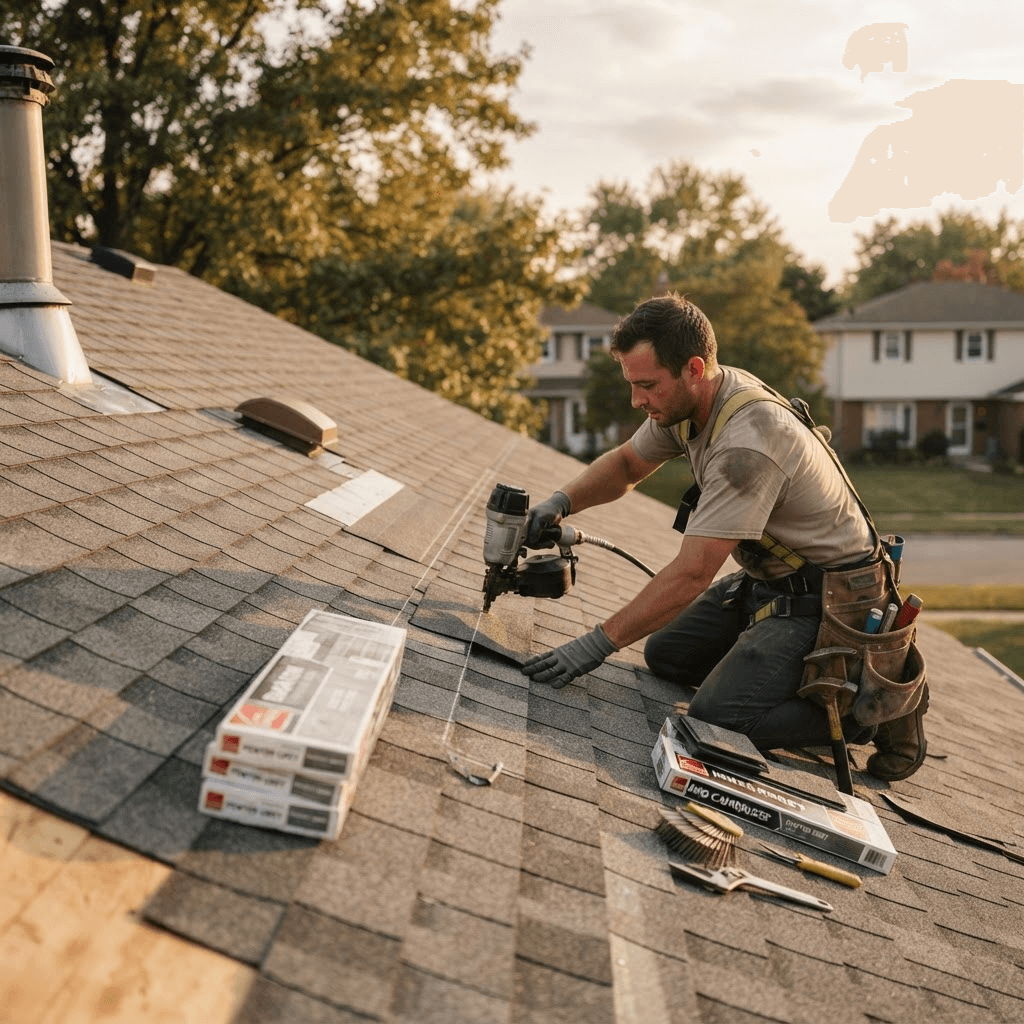
How Much Does a New Roof Cost?
Most homeowners pay somewhere between $9,000 and $30,000 for a new roof, with the national average landing around $9,500 to $12,000 for a standard asphalt shingle roof. Smaller, simple roofs can come in under $6,000, while larger homes, steep pitches, or premium materials like metal, tile, or slate can push the total past $40,000 or even $60,000. The short answer is: it depends heavily on size, material, and complexity, but the sections below break down exactly what drives your price up or down so you can budget with real numbers instead of guessing.
The Quick Answer: Typical Roof Replacement Costs
For a standard 2,000-square-foot roof, here's roughly what you should expect to pay by material, installed (materials and labor included):
- Asphalt three-tab shingles: about $6,000 to $12,000
- Architectural (dimensional) asphalt shingles: about $8,000 to $18,000
- Wood shingles or shakes: about $18,000 to $28,000
- Metal roofing (standing seam or panel): about $14,000 to $45,000+
- Concrete or clay tile: about $20,000 to $50,000+
- Natural slate: about $25,000 to $60,000+
These ranges are wide on purpose, actual pricing swings based on your roof's size, pitch, and complexity, plus your local labor market. Think of these as starting points for a conversation with a contractor, not a final quote.
Cost Per Square Foot and Per Roofing Square
Roofers typically price jobs by the "square," a roofing square equals 100 square feet of actual roof surface, not your home's floor plan. A 2,000-square-foot single-story home usually works out to roughly 20 to 26 roofing squares once you account for overhangs, pitch, and roof shape.
Rough installed cost per square foot by material:
- Asphalt shingles: about $4 to $10 per square foot
- Wood shakes: about $9 to $14 per square foot
- Metal: about $7 to $30 per square foot, with standing seam systems often running $12 to $25
- Concrete or clay tile: about $10 to $25 per square foot
- Slate: about $12 to $30 per square foot
Multiply the per-square-foot cost by your roof's total square footage, remembering it's roof surface area, not living space, to get a rough total.
Labor vs. Materials: Where the Money Goes
Labor typically makes up 50 to 60% of the total cost of a roof replacement, materials make up the rest. That's part of why premium materials like tile and slate cost so much more overall: they require specialized skills and more time to install correctly, not just pricier shingles.
A basic asphalt job is fast and requires minimal specialized labor, which is a big part of why it's the most affordable option. A slate or tile roof, by contrast, can take a crew several times longer to install, and few roofers are trained to do it well.
What Drives Your Roof's Price Up or Down
Several factors combine to determine where your quote lands within these ranges:
- Roof size: the single biggest factor. More squares means more material and more labor hours, plain and simple.
- Roof pitch and complexity: a steep roof, or one with many valleys, dormers, hips, chimneys, and skylights, is slower and more dangerous to work on, which raises labor costs. A complex roof can cost meaningfully more per square foot than a simple gable roof of the same size.
- Material choice: as shown above, this is the second-biggest lever, often accounting for tens of thousands of dollars of difference on the same house.
- Tear-off and disposal: removing and hauling away the old roofing material adds to the bill. A roof-over (shingling directly over existing shingles) is cheaper but not recommended by most roofers, since it traps problems underneath.
- Decking repair: if the crew finds rotted or damaged plywood or OSB decking once the old roof comes off, replacing it adds to the cost. It's smart to budget a contingency, often 10 to 20% of the estimate, for this kind of surprise.
- Underlayment and flashing: the waterproofing layers beneath the visible roofing material aren't optional, and better underlayment, including ice-and-water shield in vulnerable areas, adds a modest amount to the total.
- Local labor rates and permits: labor costs in major metro areas commonly run well above rural markets, and permit fees vary by city and county.
- Season: spring and summer are peak roofing season. Scheduling in fall or early winter can sometimes save money as contractors compete for fewer jobs.
What a Legitimate Roofing Quote Should Include
A full, honest roof replacement quote is never just "shingles." Make sure any estimate you receive itemizes:
- Materials: shingles or roofing material, underlayment, flashing, ridge caps, and fasteners.
- Labor: the crew's time, typically billed at an hourly or per-square rate.
- Tear-off and disposal of the old roof.
- Any decking repair allowance or per-sheet pricing if rot is discovered.
- Permits, where required by your municipality.
- Warranty: both the manufacturer's warranty on materials and the roofer's warranty on workmanship.
If a quote comes in dramatically lower than every other bid you've gathered, and doesn't break down these line items, that's usually a sign something is missing from the scope, not a genuine bargain.
Is a New Roof Worth the Cost?
A roof is one of the few home improvements that's not really optional; a failing roof puts everything beneath it at risk. But within that, there's real room to make smart choices: architectural asphalt shingles are widely considered a strong cost-per-year-of-service value for most homeowners, offering a solid balance of price and a roughly 25-to-30-year lifespan. Metal, tile, and slate cost significantly more upfront but can last two to four times longer, which can make them cheaper on a cost-per-year basis if you plan to stay in the home long-term.
To see whether a new roof should come before your other projects, run your home through the upgrade priority tool.
How to Get an Accurate Price for Your Roof
Because the range is so wide, the only way to know what your roof will actually cost is to get multiple, detailed, written quotes from licensed, insured local roofers. Ask each to walk your property, measure it directly, and provide a line-item estimate rather than a single lump-sum number. Compare at least three bids on the same material and scope, and don't automatically choose the lowest one, proper installation is what determines whether your roof reaches its full expected lifespan.
If you're also considering solar panels, mention that up front. Coordinating a roof replacement with a solar installation is far cheaper than replacing a roof that already has panels on it.
For how these numbers shift by material and roof complexity, browse our roof pricing guides.