Need a Roof Replacement? How to Find Roofing Companies and Contractors
A new roof is a major investment. Here's how to know when you need one and how to find, vet, and hire a trustworthy roofing contractor.
Need a Roof Replacement? How to Find and Vet Roofing Contractors
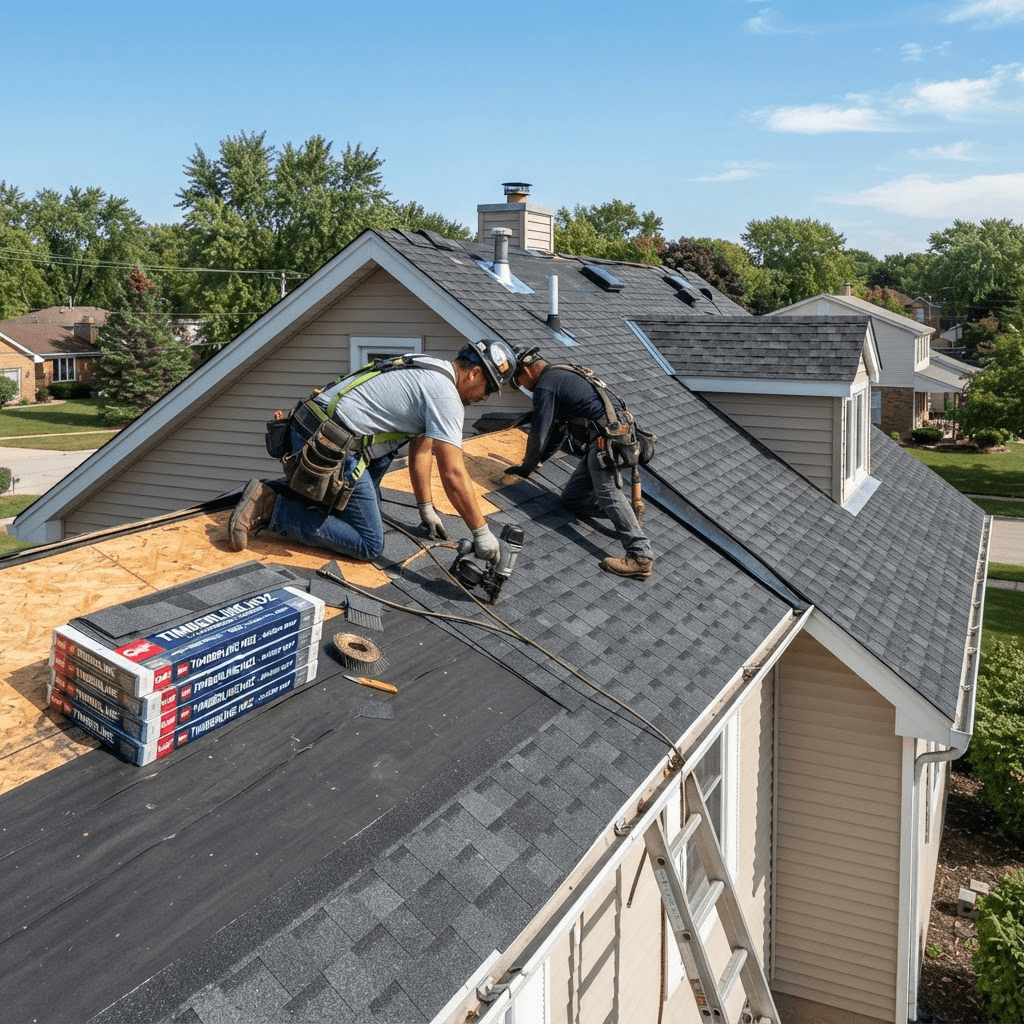
A roof replacement is one of the largest and most important home improvement projects you will ever take on, protecting everything beneath it. Because it is expensive and the work quality is hard to judge from the ground, finding the right roofing contractor matters enormously. Knowing when you actually need a new roof, and how to separate reputable roofers from the storm-chasing operators who flood neighborhoods after bad weather, is what keeps this project from becoming a costly mistake.
Do You Actually Need a Roof Replacement?
First, confirm you truly need a replacement rather than a repair. Telltale signs include:
- An asphalt shingle roof past 20 to 25 years old.
- Widespread curling, cracked, or missing shingles.
- Granules collecting in your gutters, a sign the shingles are wearing out.
- Daylight or water stains visible in the attic.
- Sagging areas that suggest decking or structural problems.
A few damaged shingles or a single leak may only need a repair, so a professional inspection helps you decide. Be cautious of anyone who insists on a full replacement without a thorough inspection, especially if they knocked on your door right after a storm.
Our roof replacement verdict tool gives you an independent read on that question before a contractor answers it for you.
How to Find Roofing Company Candidates
Once you know a replacement is warranted, gather several candidates:
- Referrals from neighbors, especially those who have recently had roofs done, are the best leads, and a company that has worked in your area is easier to vet.
- Online directories and reviews: look for established local companies with a real physical address and a track record rather than out-of-town crews chasing storm damage.
- Manufacturer websites: roofers certified by major shingle brands are often held to higher installation standards and can offer better warranties.
Aim for at least three companies so you can compare approaches and prices meaningfully.
How to Vet a Roofing Contractor
Vetting is critical because roofing attracts fly-by-night operators. Before signing anything:
- Confirm licensing and insurance: ask for proof of a contractor's license (where required) plus both liability insurance and workers' compensation, so you are not liable if someone is injured on your property.
- Check their history: look for years in business, a permanent address, and consistent reviews across multiple platforms.
- Ask for local references and, ideally, addresses of recent jobs you can drive by.
- Verify they pull permits: reputable roofers handle permitting; those who skip it are a red flag.
A contractor who resists these basic questions is telling you something important.
Understanding the Estimate
Get detailed written estimates from each finalist, and compare more than the bottom-line price. A good estimate specifies the shingle brand and product line, the underlayment and ice-and-water shield, whether old material will be torn off (recommended) or shingled over, flashing replacement, decking repair allowances, cleanup, and disposal. If one bid is dramatically lower than the others, find out what is being left out, cheap bids often skip tear-off, reuse old flashing, or use builder-grade materials that fail early.
Beware of Storm Chasers and Insurance Scams
After major storms, out-of-town crews descend on neighborhoods offering quick roof replacements, often pressuring homeowners to sign over insurance claims. Be wary of high-pressure tactics, door-to-door solicitation, demands for large upfront payments, and promises to waive your deductible (which is illegal in many places). Stick with established local companies that will still be around if you need warranty work in five years.
Contracts, Payment, and Warranties
Never pay the full amount up front. A reasonable structure is a modest deposit with the balance due on satisfactory completion. Get everything in writing: scope, materials, timeline, cleanup, and price. Understand the two kinds of warranty, the manufacturer's warranty on the materials and the contractor's workmanship warranty on the installation, and get both in writing. A strong workmanship warranty from an established company is one of the best signs of a contractor who stands behind their work.
Final Thoughts
Replacing a roof protects your entire home, so the contractor you choose matters as much as the shingles. Confirm you actually need a replacement, gather at least three established local candidates, verify licensing and insurance, compare detailed written estimates, and steer clear of high-pressure storm chasers. With careful vetting and a solid contract and warranty, you can hire with confidence and get a roof that protects your home for decades.
Before you start collecting bids, our roofing contractor resources cover materials, timing, and what drives the final price.
Frequently Asked Questions
How do I find a reputable roofing contractor? Look for licensed, insured, and well-reviewed local roofers, ask for references and photos of past work, and get at least three detailed written estimates. Confirm they pull permits, offer workmanship and material warranties, and use quality underlayment and flashing, not just shingles. Avoid storm-chasing companies that pressure you into quick decisions.
What questions should I ask a roofing company? Ask about licensing and insurance, warranty terms on both labor and materials, the specific products they will use, the timeline, how they handle unexpected decking repairs, and payment schedule. A trustworthy contractor answers clearly, provides everything in writing, and does not demand full payment up front.
How much does a roof replacement cost? Cost depends on roof size, material, complexity, tear-off, and local labor rates. Asphalt shingles are the most affordable, while metal, tile, and slate cost significantly more but last longer. Because prices vary widely, comparing multiple detailed quotes is the best way to understand fair pricing for your specific roof.
How do I know if I need a roof replacement or just a repair? A few missing shingles, a small isolated leak, or damaged flashing can often be repaired. Replacement makes sense when the roof is near the end of its lifespan, has widespread damage, is sagging, or is on its second or third layer. A professional inspection helps you decide before minor issues become major ones.