How Much Does a New Roof Cost? (How Long Do They Last)
A new roof is a major investment. A guide to what drives the cost, how long different roofing materials last, and how to budget for a replacement.
How Much Does a New Roof Cost? (And How Long Do Roofs Last?)
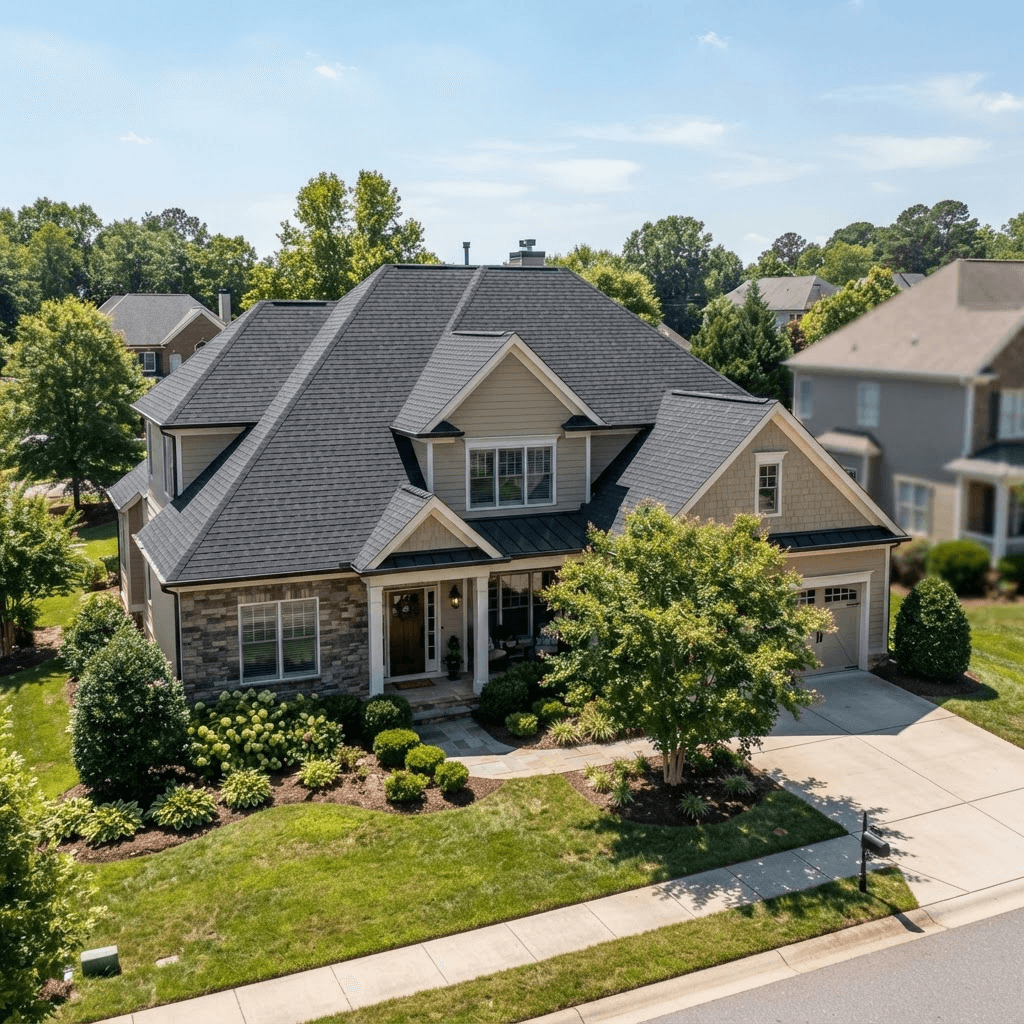
A new roof is one of the largest home improvement expenses a homeowner faces, and it is also one of the most important, since the roof protects everything beneath it. Naturally, the first questions are always how much it costs and how long it will last. The honest answer is that both depend heavily on the material you choose, the size and complexity of your roof, and where you live. Understanding the ranges and the factors behind them helps you budget realistically and choose a roof that fits your home and timeline.
What Drives the Cost of a New Roof
Several variables determine the final price of a roof replacement:
- Roof size, measured in squares (one square equals 100 square feet), is the biggest factor, more area means more material and labor.
- Roofing material, from budget-friendly asphalt shingles to premium metal, tile, or slate, dramatically changes the price per square.
- Roof complexity, steep pitches, multiple valleys, dormers, chimneys, and skylights all add labor and flashing costs.
- Tear-off and disposal of the old roof, plus any decking repairs discovered underneath.
- Local labor rates and permit costs, which vary widely by region.
Because these interact, two homes of the same size can have very different quotes.
Cost by Roofing Material
Material is the single biggest lever on both cost and lifespan:
- Asphalt shingles are the most popular and affordable choice, offering solid protection at the lowest price point, which is why they cover the majority of homes.
- Metal roofing costs more up front but lasts far longer and sheds snow and rain beautifully, making it a favorite for longevity and efficiency.
- Wood shakes bring a natural, rustic look at a mid-to-high price, though they need more maintenance.
- Clay or concrete tile is expensive and heavy (sometimes requiring extra structural support) but extremely durable and ideal for hot climates.
- Slate is the premium option, gorgeous and nearly permanent, but the most costly and heaviest of all.
Generally, the more you spend up front, the longer the roof lasts, so weigh initial cost against how long you plan to stay in the home.
How Long Does a Roof Last?
Lifespan tracks closely with material:
- Asphalt shingles typically last 20 to 30 years, with architectural (dimensional) shingles lasting longer than basic three-tab.
- Wood shakes last around 30 years with good maintenance.
- Metal roofs commonly last 40 to 70 years depending on the metal and coating.
- Tile (clay or concrete) can last 50 to 100 years.
- Slate can last a century or more, often outliving the house's other components.
These are ranges, not guarantees; climate, installation quality, and ventilation all push the actual lifespan up or down.
Why Installation and Ventilation Matter
A quality roof is not just about the shingles, it is about the whole system and how well it is installed. Even premium materials fail early if the underlayment, flashing, and ventilation are done poorly. Proper attic ventilation, intake at the soffits and exhaust at the ridge, keeps the roof cooler and drier, preventing the heat and moisture buildup that bakes shingles from below and rots decking. This is why hiring a skilled, reputable contractor often matters as much as the material you pick.
Repair vs. Replace
Not every roof problem requires a full replacement. A few missing shingles, a small leak, or damaged flashing can often be repaired affordably. Replacement makes sense when the roof is near the end of its lifespan, has widespread damage, shows sagging or rot in the decking, or is on its second or third layer of shingles. A professional inspection helps you decide, and getting a roof evaluated before problems spread can save money by catching issues early.
Our repair-or-replace calculator walks through the same decision using the specific symptoms your roof is showing.
How to Save Money Without Cutting Corners
You can control costs without sacrificing quality. Get at least three detailed written estimates and compare what each includes. Time the project for the off-season when roofers may offer better rates. Choose a material that matches how long you will stay, there is no need to pay for a 70-year metal roof if you plan to move in five years. And never skip tear-off or proper flashing just to save money, since shortcuts lead to leaks and premature failure that cost far more later.
Final Thoughts
The cost of a new roof spans a wide range because materials and roof complexity vary so much, from budget asphalt shingles to premium slate, and lifespan follows the same pattern, from about 20 years for basic shingles to a century for slate. Focus on choosing a material that fits your budget and how long you will stay, insist on quality installation and proper ventilation, and get multiple detailed quotes. A well-chosen, well-installed roof is one of the best protective investments you can make in your home.
To compare these numbers against specific materials and repair scenarios, browse our roofing cost and lifespan articles.
Frequently Asked Questions
How do I know if my roof needs replacing? Signs include curling, cracked, or missing shingles, granules collecting in gutters, daylight or leaks in the attic, sagging areas, and a roof near or past its expected lifespan. If your roof is aging and showing several of these signs at once, it is usually time for a professional inspection to decide between repair and replacement.
Can I install a new roof over the old one? In some cases a second layer of shingles is allowed, which saves on tear-off costs, but it is generally not ideal. Layering hides underlying decking problems, adds weight, and often shortens the life of the new roof. Most roofing professionals recommend a full tear-off so the decking can be inspected and any issues addressed.
What is the best roofing material for longevity? Slate and tile last the longest, often 50 to 100 years or more, followed by metal at 40 to 70 years. Asphalt shingles are the most affordable but last the least, around 20 to 30 years. The best choice balances longevity against budget and how long you plan to stay in the home.
Does a new roof add value to my home? Yes, a new roof is one of the improvements buyers value most, since it signals the home is protected and reduces their future costs. While it may not return the full cost dollar-for-dollar, it significantly improves marketability and buyer confidence, and can be the deciding factor in a sale.