How Much Does It Cost to Build a Pool? (Inground vs Above Ground)
What it costs to build a pool, inground vs above ground, broken down by construction material, cost categories, and the ongoing expenses most people forget.
How Much Does It Cost to Build a Pool? Inground vs. Above Ground
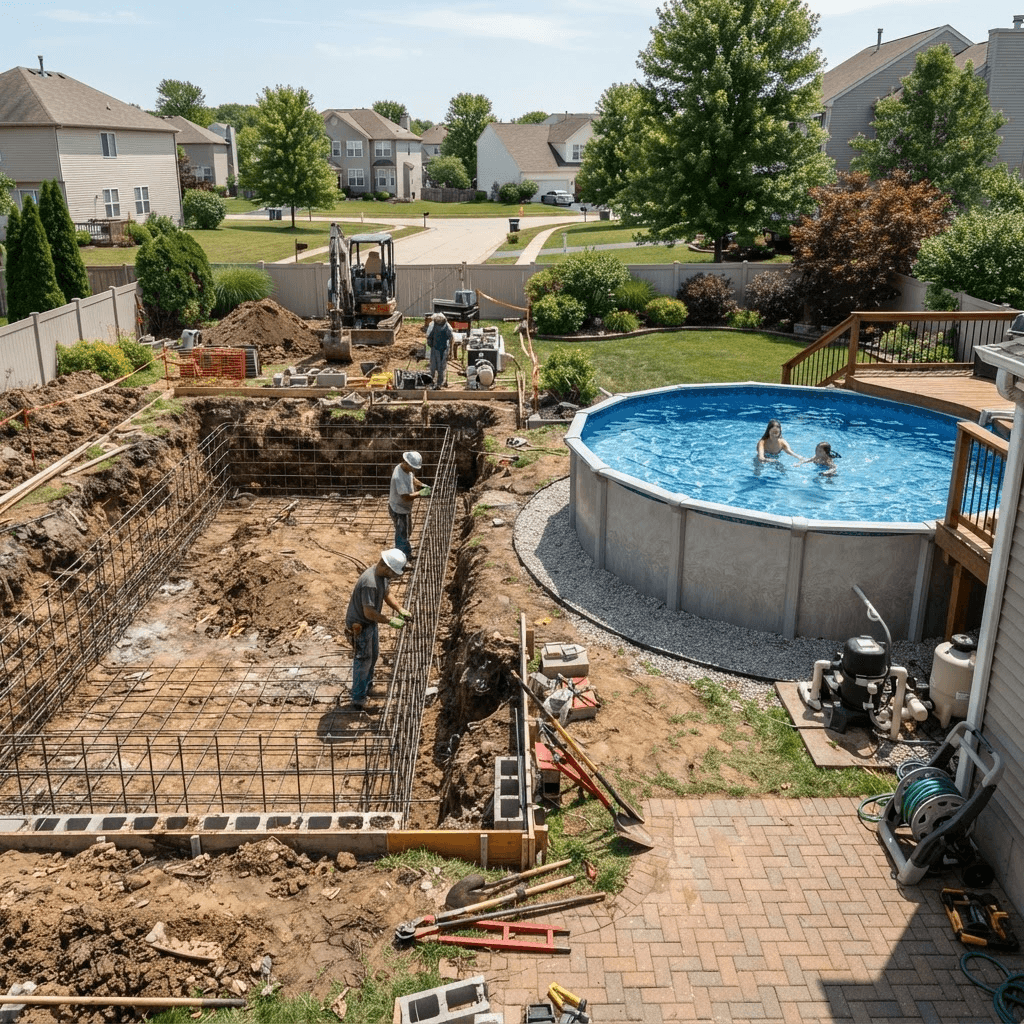
A backyard pool is a dream upgrade, but "how much does it cost to build a pool?" has one of the widest answer ranges in all of home improvement, from a couple thousand dollars for a simple above ground pool to well over the price of a car for a custom inground design. The single biggest factor is which type you choose, so understanding the cost drivers of inground versus above ground pools, and doing the math like a calculator would, helps you set a realistic budget before you fall in love with a design.
Above Ground Pool Cost
Above ground pools are by far the most affordable way to get swimming. A basic kit can be surprisingly cheap, and even a large, high-quality above ground pool with a surrounding deck lands well below inground territory.
The cost stacks up in layers:
- The pool kit itself.
- Site preparation to level the ground.
- A pump and filter system.
- Optional extras like a deck, ladder, and fencing.
Because they sit on the surface and require minimal excavation, installation is fast and sometimes DIY-friendly, which keeps labor costs low. The trade-off is a shorter lifespan and less resale value than an inground pool.
Inground Pool Cost by Material
Inground pools are a much larger investment, and their price depends heavily on the construction material:
- Vinyl liner pools are the most budget-friendly inground option but need liner replacements over time.
- Fiberglass pools cost more upfront as a pre-molded shell but install faster and have low maintenance.
- Concrete (gunite) pools are the most expensive and fully customizable in shape and size, but take longest to build and cost the most to maintain.
On top of the pool structure itself, inground projects include significant excavation, plumbing and electrical, decking, and permits.
How to Estimate Your Total Pool Cost
To estimate your cost like a calculator, add up the categories rather than chasing a single number:
- Base pool (kit or shell/construction).
- Site prep and excavation.
- Pump, filter, and plumbing system.
- Decking or patio.
- Safety fencing, often legally required.
- Permits and inspections.
Then layer in the features you want, heating, lighting, automatic covers, waterfalls, or saltwater systems, each of which adds meaningfully to the total. Size matters throughout: a bigger pool means more material, more excavation, more water, and higher ongoing costs.
Ongoing Pool Costs to Budget For
The costs most people forget are the ongoing ones, and they matter as much as the build price:
- Chemicals.
- Electricity to run the pump.
- Water to fill and top off.
- Cleaning and maintenance.
- Periodic repairs, plus winterizing in cold climates.
Heating a pool adds substantially to energy bills, and inground pools in particular can raise your property taxes and home insurance. A cheaper above ground pool has lower ongoing costs; a large heated inground pool can cost a meaningful amount every month to run, so factor operating costs into your decision, not just the sticker price.
Inground or Above Ground: Which Should You Choose?
So which should you choose?
- If budget is the priority, you want swimming quickly, or you might move in a few years, an above ground pool delivers the most fun per dollar.
- If you want a permanent, customizable feature that boosts your home's value and you're prepared for the higher upfront and ongoing costs, an inground pool is the long-term choice.
The Bottom Line
Run the numbers across every category, both build and operating, get quotes from at least a couple of licensed pool builders for inground projects, and you'll walk into the decision knowing exactly what your backyard oasis will actually cost.
To see how a pool compares against other big-ticket projects, browse our pool budgeting articles.
Frequently Asked Questions
Is an inground or above-ground pool cheaper? Above-ground pools are dramatically cheaper to buy and install, often a fraction of the cost of an inground pool. Inground pools require excavation, structural work, and permits, making them a major construction project. The trade-off is longevity, customization, and home value, where inground pools have the clear edge.
How much does an inground pool really cost? Beyond the base installation, budget for decking, fencing, a heater, lighting, landscaping, and ongoing maintenance. These extras can add substantially to the sticker price, and annual upkeep, chemicals, electricity, repairs, and winterizing, is a real recurring cost. Always plan for the total lifetime cost, not just the build.
Does a pool add value to a home? An inground pool can add value in warm climates where pools are expected, but in cooler regions some buyers view them as maintenance and liability. Above-ground pools generally add little appraised value. Build a pool primarily for your own enjoyment rather than as a guaranteed financial return.
What is the cheapest way to get a pool? An above-ground pool is by far the most affordable option, and semi-inground pools offer a middle ground. Choosing a simpler shape, skipping elaborate decking and heating, and installing in the off-season can all trim costs. Be honest about which extras you truly need before committing to an expensive build.