Spa Construction Guide (Cost and Benefits)
A guide to home spa construction options, portable, pre-fabricated, and custom in-ground, their costs, ongoing operating expenses, and the benefits of owning one.
Spa Construction Guide: Cost and Benefits of a Home Spa
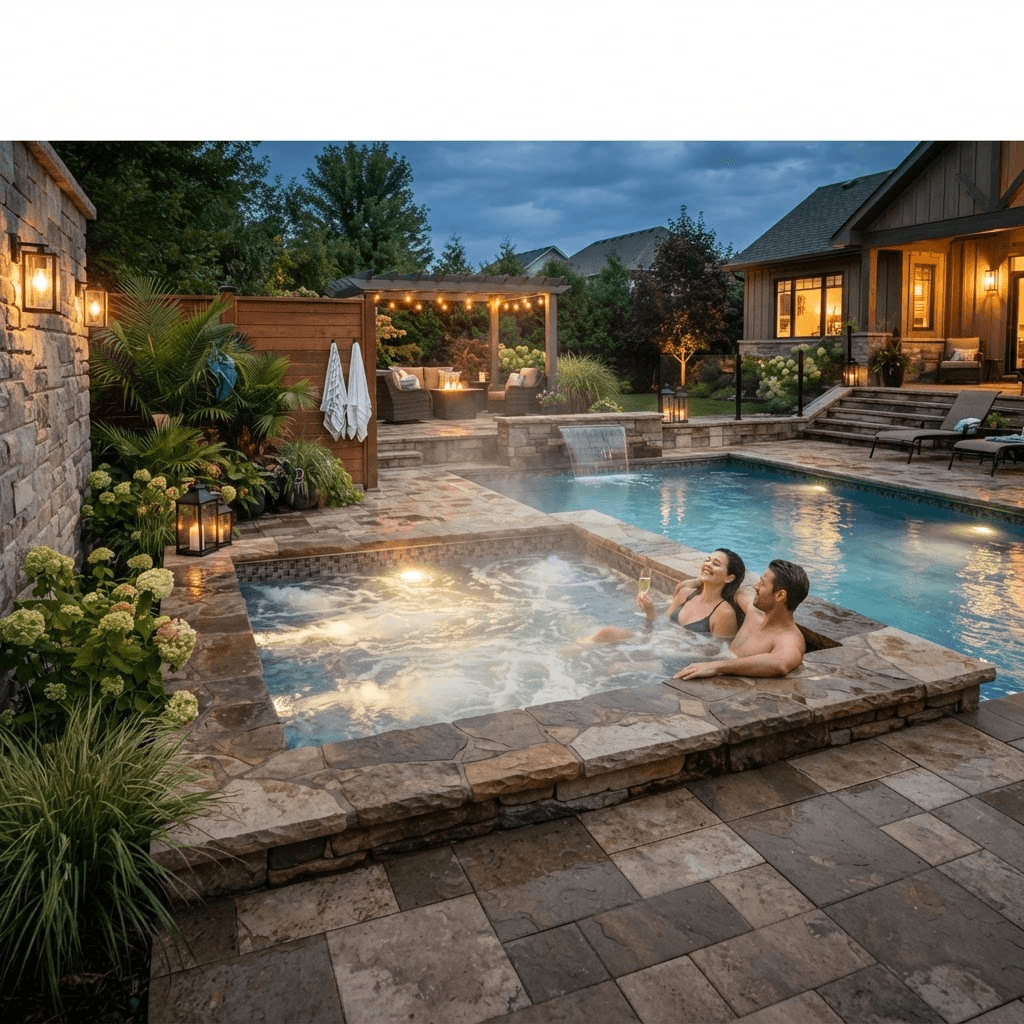
A home spa turns an ordinary backyard into a private retreat, and it is a more attainable luxury than many people assume. "Spa" covers everything from a plug-in portable hot tub to a fully custom in-ground spa integrated with a pool, and the construction approach you choose drives both the cost and the experience. Understanding your options, their price ranges, and the real benefits helps you decide whether, and how, to add one to your home.
Three Ways to Build a Home Spa
There are three main routes to a home spa:
- Portable spas (self-contained hot tubs) are the most popular and affordable: they arrive as a complete unit with the shell, pump, heater, and jets built in, and you simply place them on a level, reinforced surface and plug them in or wire them up.
- Above-ground or in-ground pre-fabricated spas offer a more built-in look with a bit more installation work.
- Custom in-ground spas, often built alongside a pool from gunite or concrete, are fully designed to your specifications and the most involved and expensive to construct.
Each route offers a different balance of cost, permanence, and customization, so the right choice depends on your budget, your yard, and how integrated you want the spa to be.
What Does a Home Spa Cost to Build?
Cost tracks closely with that choice:
- A portable hot tub is the budget-friendly entry point, with mid-range and premium models costing more as you add jets, better insulation, smart controls, and higher build quality, plus you may need to add a reinforced pad or deck and an electrical hookup.
- A pre-fabricated in-ground spa falls in the middle, requiring some excavation and plumbing but arriving as a finished shell.
- A custom in-ground spa is a construction project on the scale of a small pool, involving excavation, plumbing, electrical, finishing, and often decking, so it costs many times more than a portable unit.
Building a spa at the same time as a pool is usually far more economical than adding one later, because the crews, equipment, and plumbing are already on site.
Our hot tub installation estimator will price a spa for your own space, finish level and labor arrangement.
Ongoing Costs of Owning a Spa
Beyond the purchase and construction, budget for the ongoing costs, since they are easy to overlook. Heating the water is the largest recurring expense, especially in colder climates, so good insulation and a quality cover pay for themselves quickly. You will also spend on electricity to run the pump and heater, water and chemicals to keep it clean and balanced, and periodic maintenance or repairs. A well-insulated, well-covered spa costs noticeably less to run, which is why efficiency features are worth paying for up front.
The Benefits of a Home Spa
The appeal of a home spa goes well beyond luxury. Soaking in warm, jetted water offers genuine benefits: it relaxes tight muscles, eases joint and back pain, improves circulation, and relieves stress after a long day. Many owners find a spa helps them sleep better and unwind without leaving home. Socially, a spa becomes a gathering spot for family and friends, and it can extend the usable season of your backyard well into cooler months. For some, the wellness and relaxation benefits alone justify the investment.
Placement, Safety, and Site Preparation
Where you put a spa matters as much as which one you choose. It needs a level, structurally sound base capable of supporting the considerable weight of water and occupants, portable spas in particular require a reinforced pad or a deck rated for the load. Consider privacy, proximity to the house, and access to electrical and, for larger units, plumbing. Safety features like slip-resistant surfaces, secure covers, and proper electrical protection are essential, especially in homes with children. Local codes often require permits, fencing, or specific electrical work, so check requirements before you build.
Adding a Spa to Boost Home Value and Enjoyment
A well-designed spa, particularly one integrated with a pool or a thoughtfully landscaped patio, can enhance both your enjoyment of your home and its appeal to future buyers. While a portable hot tub is generally considered personal property, a custom in-ground spa becomes part of the home and can contribute to its value. Either way, the biggest return is the daily use and relaxation it provides.
Final Thoughts
A home spa ranges from an affordable plug-in hot tub to a fully custom in-ground retreat, and the construction path you choose sets both the price and the experience. By weighing upfront construction costs against ongoing operating expenses, and against the real relaxation, health, and social benefits, you can decide which type fits your yard and budget. For many homeowners, especially those building alongside a pool, a home spa is a rewarding upgrade that turns the backyard into a year-round escape.
For the wider backyard picture a spa usually sits within, see our backyard spa planning resources.
Frequently Asked Questions
How much does it cost to build a spa or hot tub? Costs range widely depending on whether you choose a portable plug-in spa, a built-in spa attached to a pool, or a custom in-ground design. Portable models are the most affordable, while custom built-in spas with premium finishes, jets, and heating cost considerably more. Site preparation, electrical work, and features all add to the total.
What are the benefits of a home spa? A spa offers relaxation, stress relief, and soothing warm-water hydrotherapy that can ease sore muscles and joints. It creates a resort-like feature in your backyard, adds enjoyment year-round in many climates, and can serve as a social gathering spot. For many owners, the daily comfort and wellness benefits are the biggest draw.
How much maintenance does a spa require? Spas need regular water testing and chemical balancing, filter cleaning, and periodic draining and refilling. Keeping the water sanitized and balanced protects both bathers and the equipment. A cover reduces heat loss and keeps debris out, cutting energy costs and maintenance. The routine is manageable but consistent care is essential.
Do spas use a lot of electricity? Heating and running a spa does consume energy, especially in cold climates or if the spa is used often. A well-insulated spa with a quality cover, efficient heater, and good pump is far cheaper to run. Keeping the cover on when not in use and maintaining a steady temperature help control energy costs.