How Much Does It Cost to Install a Mini Split AC System? (Cost of New Furnace With Air Conditioner)
Mini splits and full furnace-plus-AC systems solve different problems at different prices. A guide to what drives the cost of each and how to choose.
How Much Does It Cost to Install a Mini Split AC System vs. a New Furnace and Air Conditioner?
When it's time to add or upgrade home comfort systems, two very different paths come up: installing a ductless mini split, or replacing a full central system with a new furnace and air conditioner together. They serve different needs and sit at different price points, and the right choice depends on your home, your existing setup, and your goals. Understanding what drives the cost of each helps you budget realistically and pick the system that actually fits your situation.
What Is a Ductless Mini Split System?
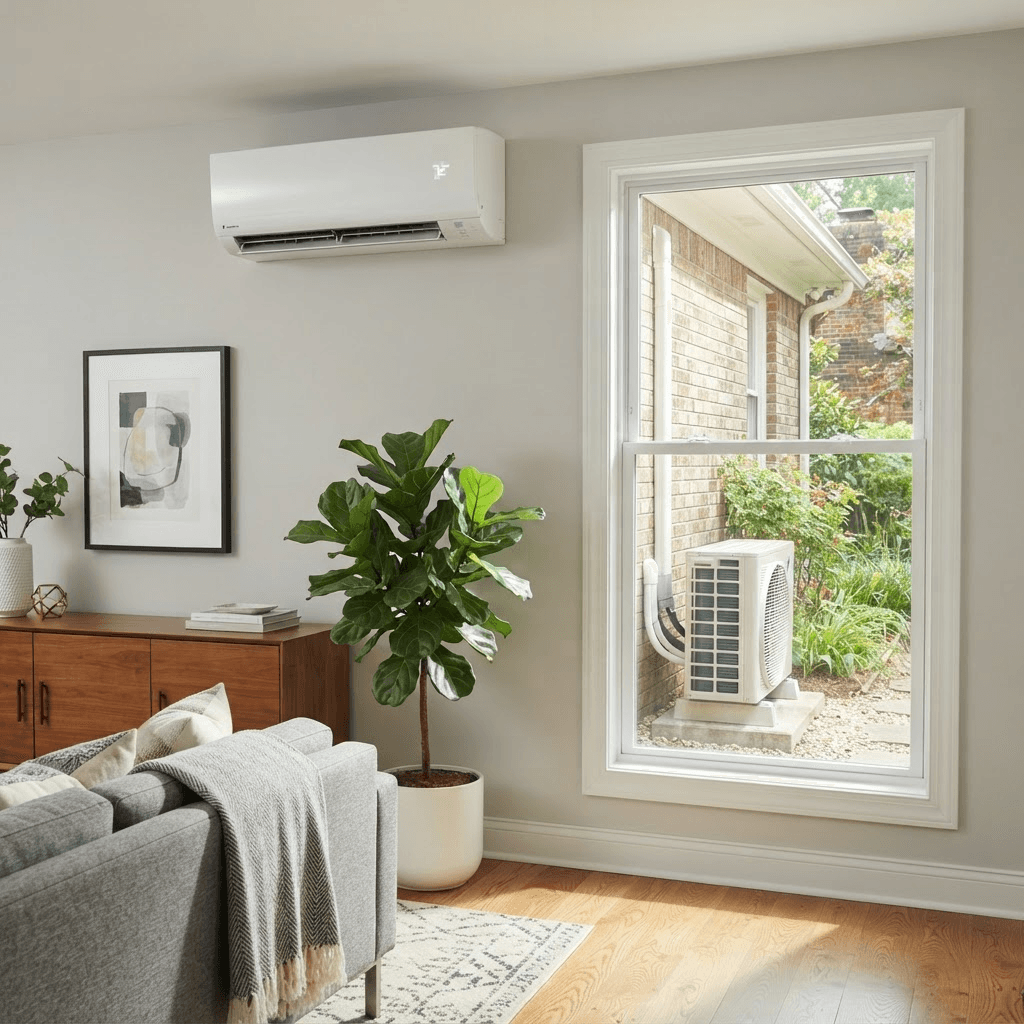
A ductless mini split is a heat-pump-based system with an outdoor compressor connected to one or more indoor air-handling units mounted on walls or ceilings, with no ductwork required. This makes it ideal for homes without existing ducts, for additions and converted spaces like garages, attics, or sunrooms, and for zoning individual rooms so you only heat or cool the spaces you're using. Because each indoor head is independently controlled, mini splits are efficient and flexible, and since they both heat and cool, they can serve as a complete comfort system in the right climate.
What Drives Mini Split Installation Cost
The cost of a mini split is driven mostly by the number of zones:
- A single-zone system, one outdoor unit, one indoor head, serving a single room or small area, is the most affordable entry point.
- Multi-zone systems with several indoor heads tied to one outdoor unit cost considerably more as you add zones.
Other factors include the system's capacity (BTUs) and efficiency rating, higher SEER costs more but saves on energy, the brand, and installation complexity, how far the indoor units are from the outdoor compressor and how easy the line runs are to route. A simple one-room install is relatively modest; whole-home multi-zone coverage approaches the cost of central systems.
What Is a Furnace-Plus-AC Central System?
Replacing a furnace and air conditioner together is a different project, best understood as a full central HVAC system. Here the furnace provides heat, typically gas, sometimes electric, and a separate central AC provides cooling, both distributing air through your home's ductwork.
Homeowners often replace them at the same time because the components are designed to work together and share the blower and ducts, and because pairing a new AC with an aging furnace, or vice versa, can hurt efficiency and compatibility. If your home already has ducts and you're replacing worn-out equipment, this is usually the natural path.
What Drives Furnace and AC Replacement Cost
The cost of a new furnace-plus-AC system depends on:
- The size and efficiency of both units.
- Your home's square footage and heating/cooling load.
- The condition of your existing ductwork, repairs or modifications add cost.
- The complexity of the installation.
Higher-efficiency furnaces, measured by AFUE, and air conditioners, measured by SEER, cost more upfront but lower operating costs over time. Doing both at once is more economical than two separate projects since much of the labor overlaps, and it ensures the two units are properly matched, which protects efficiency and warranty coverage.
Mini Split or Furnace-Plus-AC: How to Choose
So how do you choose?
- If your home lacks ductwork, you're conditioning an addition or a few specific rooms, or you want room-by-room zoning and high efficiency, a mini split is often the smarter, sometimes cheaper, solution, especially for targeted needs.
- If you already have ducts and need to replace aging central equipment for whole-home heating and cooling, a matched furnace-and-AC replacement is typically the way to go.
Before committing to either system, our heating and cooling replacement planner will tell you whether your current equipment is actually due for replacement.
Getting Quotes and Making the Final Call
In all cases, get multiple detailed quotes from licensed, insured HVAC contractors, insist on a proper load calculation to size the system correctly, and ask about efficiency rebates and financing. Match the system to your home's structure and your comfort goals, and you'll get the best value from whichever path you choose.
Before you commit to a system, it is worth comparing these figures against our other HVAC cost breakdowns.
Frequently Asked Questions
How much does it cost to install a mini split system? Mini split costs depend on the number of indoor units (zones), the system's capacity and efficiency, and installation complexity. A single-zone system is the most affordable, while multi-zone setups that condition several rooms cost more. Professional installation, electrical work, and higher-efficiency units add to the price but improve comfort and long-term savings.
Are mini splits cheaper to run than central AC? Often, yes. Ductless mini splits avoid the energy losses that come from ductwork, and their zoning lets you cool or heat only the rooms in use, which cuts waste. Many are also highly efficient heat pumps that provide both heating and cooling, so they can lower year-round energy bills compared to older central systems.
How much does a new furnace with air conditioner cost? Replacing both a furnace and an air conditioner together costs more than either alone, but pairing them can improve efficiency and save on combined labor. The total depends on system size, efficiency ratings, brand, and any ductwork or electrical upgrades. Getting multiple detailed quotes helps you compare equipment and installation fairly.
Should I choose a mini split or a traditional central system? Mini splits shine in homes without existing ductwork, room additions, and situations where zoning matters. Central systems make sense when ductwork already exists and you want to condition the whole home uniformly. Consider your home's layout, existing infrastructure, and efficiency goals, and get a professional load calculation to size the system correctly.