Lithium Solar Batteries: How Long do they Last?
How long do lithium solar batteries actually last? A breakdown of cycle life, capacity fade, and the factors that determine whether your battery hits 10 or 15+ years.
Lithium Solar Batteries: How Long Do They Last?
If you're adding storage to a solar system, the first question is usually how long the battery will last before it needs replacing. For quality lithium solar batteries, the short answer is roughly 10 to 15 years, and often longer. But that range hides a more useful truth: battery life isn't really measured in years at all. It's measured in cycles, and understanding that distinction is the key to knowing what you're actually buying.
Cycles, Not Years: How Battery Life Is Actually Measured
A cycle is one full charge and discharge of the battery. Manufacturers rate lithium batteries for a certain number of cycles, commonly 3,000 to 6,000 or more for the LiFePO4 chemistry used in most home systems, before capacity drops to a defined threshold. If you cycle a battery roughly once a day, which is typical for solar storage, several thousand cycles translates neatly into a decade or more of service.
LiFePO4 vs. Other Lithium Chemistries
It helps to know that not all lithium is the same. The dominant chemistry in home solar storage is lithium iron phosphate, or LiFePO4, prized for its long cycle life, thermal stability, and safety. The lithium NMC chemistry common in phones and EVs is more energy-dense but generally offers fewer cycles and runs hotter. For stationary home storage, where weight doesn't matter much, LiFePO4's longevity wins out.
How Capacity Fade Works Over Time
Rather than dying outright, batteries fade gradually through capacity degradation. A battery that stored 10 kilowatt-hours when new might hold 8 after many years, still perfectly usable, just with less headroom. This is why warranties specify an end-of-life capacity, often guaranteeing the battery will still retain around 70 percent of its original capacity at the end of the warranty term.
What Speeds Up or Slows Down Battery Degradation
Several factors speed up or slow down that fade.
- Depth of discharge – how much of the battery you drain each cycle matters a lot; shallower cycles are gentler than deep ones, though LiFePO4 tolerates deep discharge far better than old lead-acid batteries did
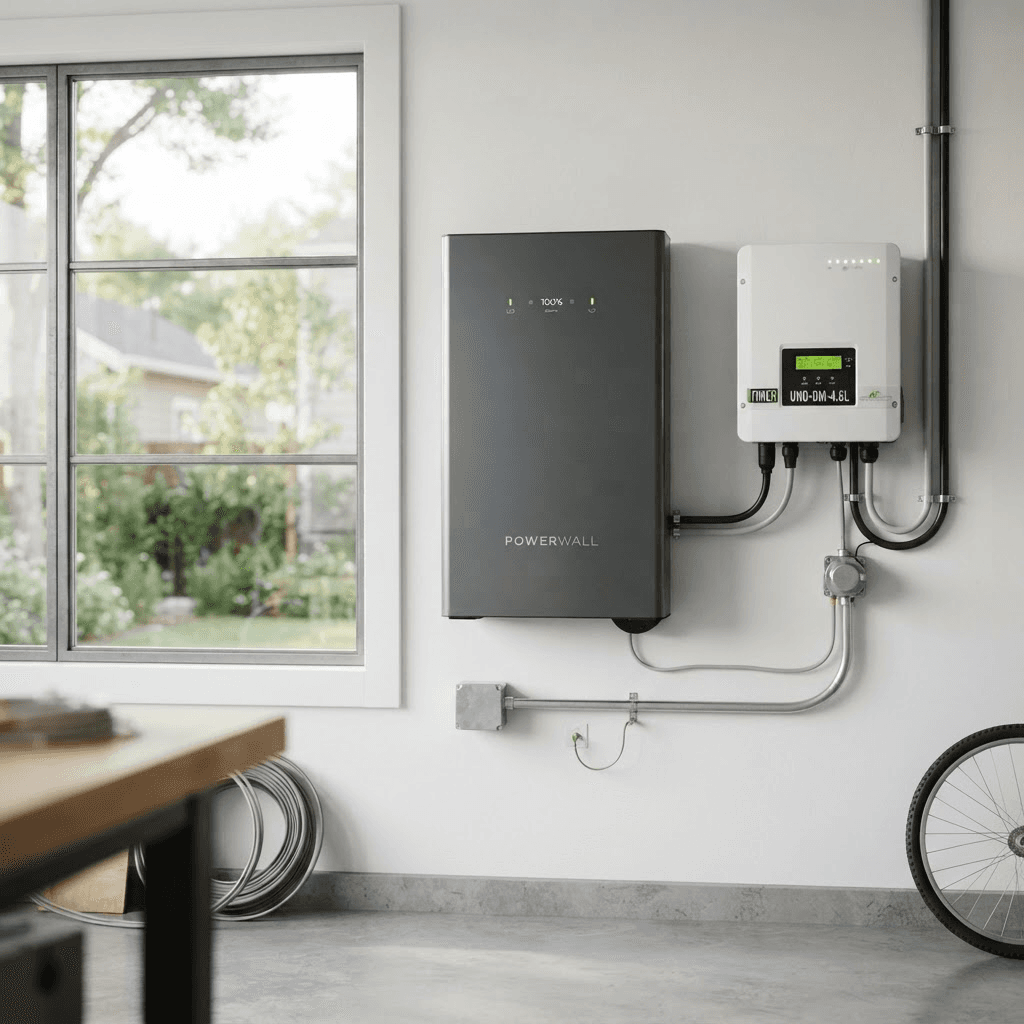
- Temperature – extreme heat accelerates aging, which is why batteries last longer in a garage or conditioned space than baking in direct sun
- Charging habits – constantly charging to 100 percent and draining to zero stresses a battery more than keeping it in a moderate middle range, and many modern systems manage this automatically to protect longevity
- Charge and discharge rate – pulling a lot of power very quickly generates more heat and wear than gentle, steady use
How to Read a Lithium Battery Warranty
The warranty is your best window into real-world expectations, so read it carefully. A good lithium solar battery warranty specifies a term in years, a total throughput in cycles or megawatt-hours, and a guaranteed end-of-life capacity. When two batteries look similar on price, comparing these three numbers, especially throughput and retained capacity, tells you which one is genuinely built to last.
What a Battery Replacement Will Actually Cost You Later
There's good news on cost over time. As a battery ages and its usable capacity shrinks, it doesn't become worthless; it simply stores a bit less. And because lithium prices have fallen steadily, a replacement a decade from now is likely to be cheaper, higher-capacity, and better than what you'd buy today, so the eventual swap is less painful than it sounds.
How to Extend the Life of Your Solar Battery
You can meaningfully extend battery life with a few habits:
- Install it somewhere temperature-stable and out of direct sun
- Avoid routinely running it fully empty if your system lets you set reserve limits
- Keep the firmware and battery-management settings up to date, since these quietly optimize charging for longevity
- Size the system appropriately, an oversized battery that cycles shallowly will generally outlast a small one worked hard every day
So, How Long Do Lithium Solar Batteries Last?
Plan on 10 to 15 years of dependable service for a quality LiFePO4 unit, with gradual capacity fade rather than sudden failure, and often more life beyond the warranty. Focus less on the headline year count and more on cycle rating, retained capacity, and where you install it. Get those right, and your battery will quietly outlast most people's expectations.
Depth of Discharge and Why It Extends Life
One of the biggest levers on battery lifespan is depth of discharge, or how much of the battery's capacity you use in each cycle. LiFePO4 batteries can be discharged deeply, often to 80 or even 100 percent, without the harm that would befall older lead-acid chemistries. Still, consistently leaving a little headroom rather than draining to empty every cycle can meaningfully extend the number of cycles a battery delivers over its life.
Temperature and Placement
Heat is the enemy of battery longevity. Lithium batteries last longest in a moderate, stable temperature range, roughly 15 to 25 degrees Celsius. Installing them in a scorching attic or an unheated space subject to freezing accelerates degradation. Many quality batteries include thermal management, but placement in a temperature-controlled garage or utility room is one of the simplest ways to protect your investment.
Reading a Battery Warranty
Battery warranties reveal what the manufacturer truly expects. Look for the guaranteed number of cycles or years, and the end-of-life capacity, often around 70 percent. A warranty promising 10 years or 6,000 cycles at 70 percent retained capacity tells you the battery is built to keep most of its usefulness for a long time. Comparing warranties on these terms is more revealing than comparing headline capacity alone.
Getting the Most From Your Battery
To maximize lifespan, keep the battery in a moderate environment, avoid habitually draining it to zero, use a quality battery management system, and keep firmware updated where applicable. Sizing the battery appropriately for your daily needs, rather than cycling a too-small battery hard every day, also helps it reach or exceed its rated life.
Storage decisions are tied closely to system design, which we cover across our solar and battery resources.
Frequently Asked Questions
How long do lithium solar batteries last? Quality LiFePO4 batteries typically last 10 to 15 years, often rated for 3,000 to 6,000-plus cycles before capacity falls to around 70 percent of the original.
What shortens a solar battery's life? High temperatures, frequent deep discharges to empty, and poor-quality battery management are the main culprits. Moderate temperatures and sensible use extend life considerably.
Do solar batteries just stop working when they wear out? No. They fade gradually, holding less energy over time rather than failing suddenly. A worn battery still works, just with reduced capacity.
Is LiFePO4 better than other lithium batteries for solar? For home storage, generally yes. LiFePO4 offers longer cycle life, better thermal stability, and greater safety than the NMC chemistry used in phones and EVs.