Types of Windows Explained (Transom, Casement, Modern)
A guide to the most common window types, casement, awning, transom, double-hung, sliding, bay and bow, and modern styles, and how to choose the right one.
Types of Windows Explained: Casement, Transom, and Modern Styles
Windows shape a home more than almost any other feature, controlling light, air, views, and curb appeal all at once. Yet most people know only a couple of window types by name. Expanding that vocabulary, from classic transoms and casements to today's sleek modern styles, makes it far easier to choose the right window for each opening, whether you are building, renovating, or simply replacing a tired old unit.
Casement and Awning Windows
Casement windows are among the most versatile and popular operable styles. Hinged on the side and opened outward with a crank, they swing open fully like a door, which gives them excellent ventilation and a tight seal when closed, making them very energy-efficient. Because the crank operation is easy, casements are a favorite in hard-to-reach spots like over kitchen sinks.
Their close cousins, awning windows, hinge at the top and open outward from the bottom, forming a little awning that lets you keep them open during light rain, ideal for bathrooms and higher wall placements.
Transom Windows
Transom windows are a classic architectural accent with a long history. A transom is a small window positioned above a door or another window, originally designed to let light and air pass between rooms or from outside even when the door was closed.
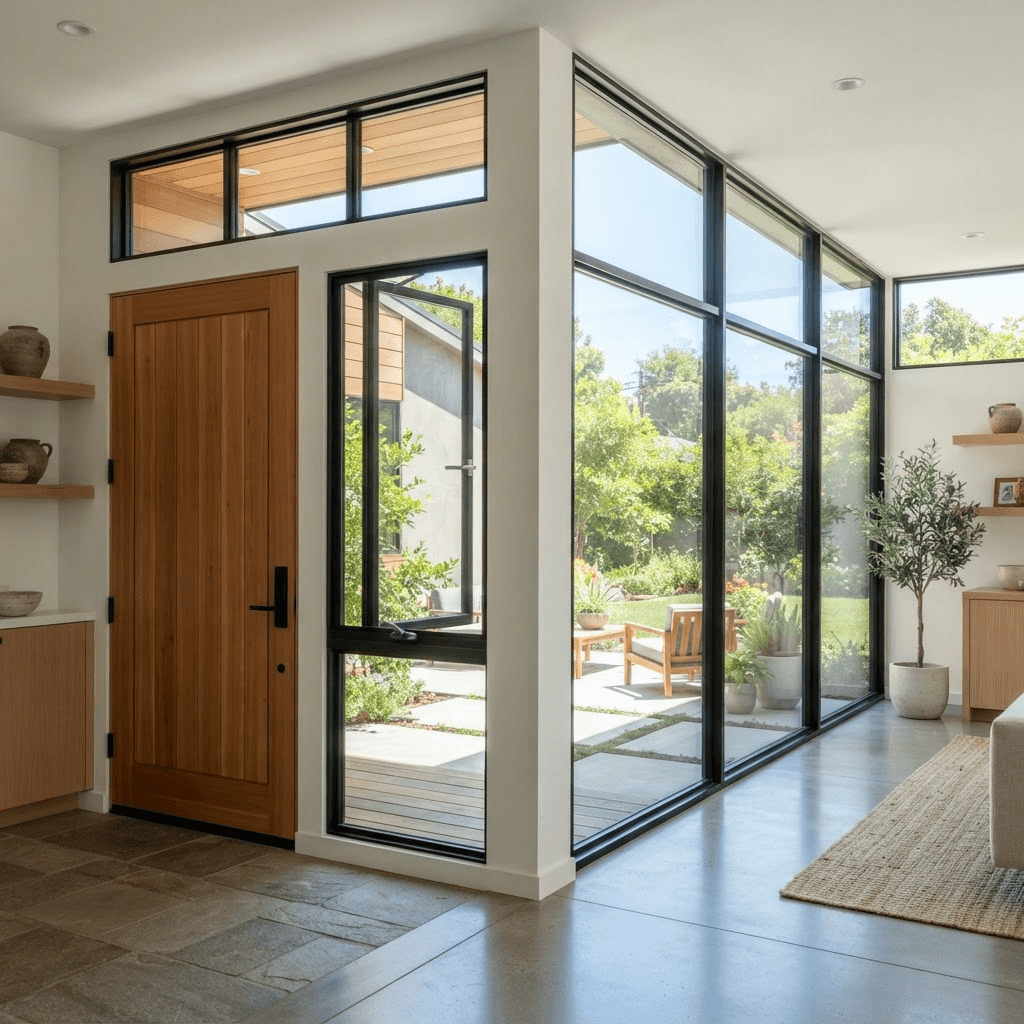
Today they are used mostly for the light and character they add, a transom above an entry door brightens a foyer, and a row of transoms above larger windows adds height and elegance. They can be fixed or, in traditional homes, operable, and their horizontal, decorative proportions make a space feel taller and more refined.
Double-Hung, Single-Hung, Sliding, Bay, and Picture Windows
Several other traditional types round out the classics:
- Double-hung windows, with two sashes that slide vertically, are the quintessential American window, easy to clean and great for ventilation.
- Single-hung windows look similar but have only one moving sash, making them a more affordable option.
- Sliding windows glide horizontally along a track, a simple, low-maintenance choice for wide openings.
- Bay and bow windows project outward from the wall, adding space, light, and a dramatic focal point, often with a cozy interior nook.
- Picture windows are large fixed panes that do not open, maximizing light and unobstructed views.
Each balances ventilation, view, and ease of use differently, so the right pick depends on the room.
Modern Window Styles
Contemporary architecture has pushed windows in a sleeker direction. Modern styles emphasize large expanses of glass, minimal frames, and clean lines, think floor-to-ceiling fixed windows, oversized sliders, and black-framed grid windows that make a bold statement. Corner windows that wrap around a building's edge and expansive glass walls blur the line between indoors and out. These designs prioritize light, views, and a crisp, uncluttered aesthetic, and modern framing materials make the big glass areas surprisingly energy-efficient.
Window Frame Materials
The frame material affects durability, maintenance, and efficiency:
- Vinyl is affordable, low-maintenance, and energy-efficient, the most popular choice.
- Wood is beautiful and classic but needs upkeep to resist rot.
- Fiberglass is strong, stable, and low-maintenance at a higher price.
- Aluminum is slim and strong, common in modern designs, though less insulating unless thermally broken.
Matching the material to your climate and style keeps windows performing and looking good for years.
Energy Efficiency: Glazing, Low-E, and U-Factor
Modern windows are as much about performance as looks. Double or triple glazing (multiple panes with insulating gas between them) and low-emissivity (Low-E) coatings dramatically reduce heat transfer, keeping homes comfortable and cutting energy bills. Look at ratings like the U-factor (lower is better for insulation) and the Solar Heat Gain Coefficient when comparing windows. Efficient windows are one of the best upgrades for comfort and long-term savings.
Final Thoughts
From the crank-operated efficiency of casements to the airy charm of transoms and the bold glass of modern designs, understanding window types helps you choose the right one for every opening. Consider how each room uses light, air, and views, then weigh frame material and energy efficiency. The right windows transform how a home looks, feels, and performs, making this knowledge invaluable for any building or renovation project.
Once you know which types fit each room, our window style explainers get into glazing, frames, and installation.
Frequently Asked Questions
What is a transom window? A transom is a window placed above a door or another window, often used to add light and architectural interest. Transoms can be fixed or operable and come in rectangular, arched, or decorative shapes. Historically they helped with ventilation; today they are prized mainly for bringing extra daylight into entryways and rooms.
What is the difference between casement and double-hung windows? A casement window is hinged on the side and swings outward like a door, usually operated with a crank, offering excellent ventilation and a tight seal. A double-hung window has two sashes that slide up and down within the frame. Casements seal better and catch breezes well, while double-hungs are classic, easy to clean, and fit traditional homes.
Which window type is best for energy efficiency? Casement windows often seal very tightly when closed, making them among the most energy-efficient operable styles, while fixed windows leak the least since they do not open at all. Regardless of style, look for double or triple glazing, Low-E coatings, and quality installation, which matter more to efficiency than the operating style alone.
What are modern window styles? Modern windows favor clean lines, large glass areas, and slim frames to maximize light and views. Popular contemporary choices include fixed picture windows, floor-to-ceiling glass, black-framed windows, and minimalist casements and awnings. Combining large fixed panes with a few operable windows balances dramatic views with ventilation.