What Is HVAC? How to Find New Jobs and Apprenticeships
HVAC is the trade behind heating, cooling, and air quality. Here's what the field involves and how to break in through jobs and apprenticeships.
What Is HVAC? A Career Guide to Jobs and Apprenticeships
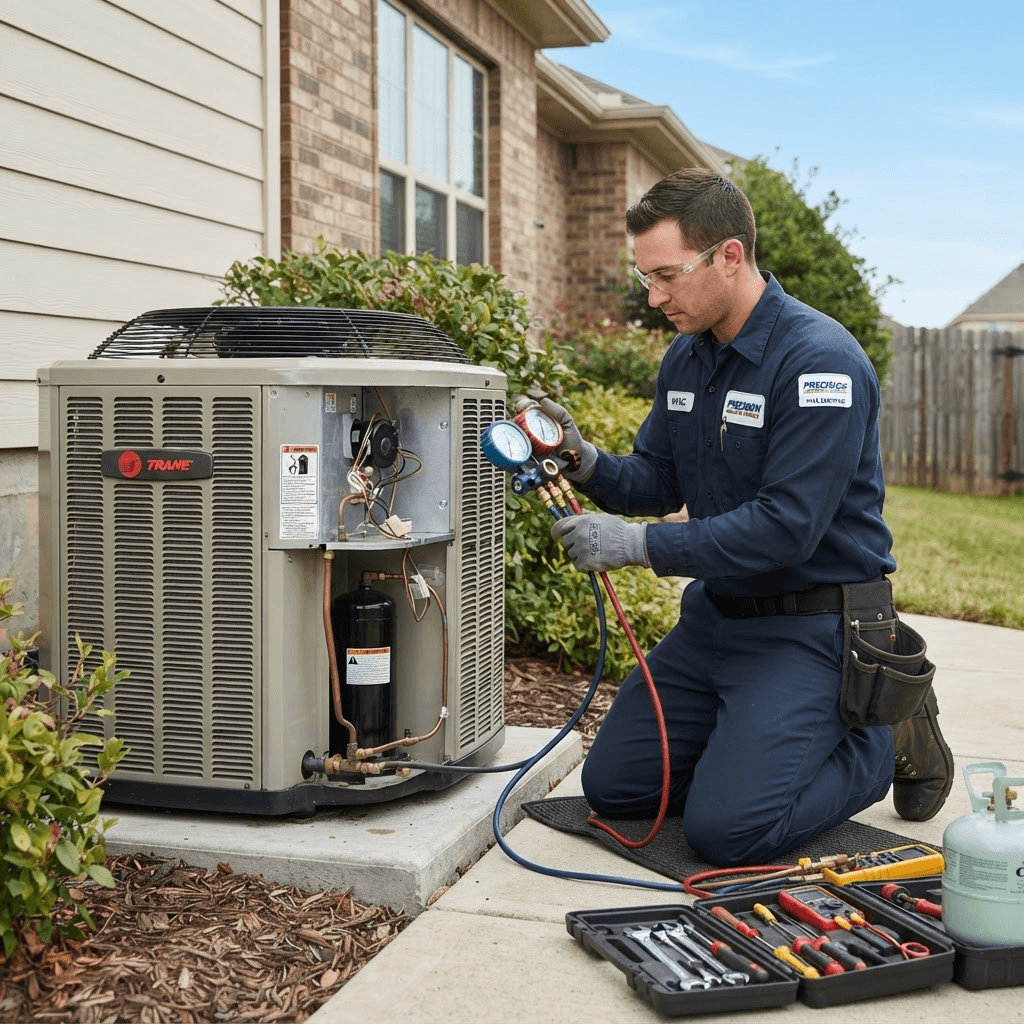
HVAC stands for heating, ventilation, and air conditioning, the systems that keep buildings warm in winter, cool in summer, and supplied with clean, comfortable air year-round. HVAC technicians install, maintain, and repair furnaces, air conditioners, heat pumps, ductwork, and ventilation systems in homes and businesses. It's a skilled trade that's in constant demand, since every building needs climate control and those systems eventually need service, which makes HVAC a stable, well-paying career path that doesn't require a four-year degree.
Why Choose HVAC as a Career?
The appeal of HVAC as a career goes beyond job security. The work is hands-on and varied, no two service calls are quite the same, and it combines mechanical, electrical, and problem-solving skills.
Demand is strong and growing as older technicians retire and new energy-efficient and smart systems create fresh work, so a trained technician rarely struggles to find employment. Pay is solid and climbs with experience and certifications, and many technicians eventually start their own businesses. For people who prefer active, practical work over a desk, it's an attractive path.
Getting Started: Training and Licensing
Getting started usually begins with some foundational training. Many aspiring technicians complete a certificate or associate degree program at a trade school or community college, which teaches the fundamentals of refrigeration, electrical systems, and safety over several months to two years.
This isn't strictly required everywhere, but it makes you far more employable and gives you a head start on the knowledge you'll need. You'll also want to understand your area's licensing requirements, since most regions require HVAC technicians to be licensed or certified, and handling refrigerants requires federal EPA certification in the United States.
How HVAC Apprenticeships Work
The heart of HVAC training, though, is the apprenticeship, where you earn while you learn. An apprenticeship combines paid on-the-job work under experienced technicians with classroom instruction, typically running three to five years and ending with you as a qualified journeyman.
It's the traditional and often the best route into the trade because you get real experience, a paycheck from day one, and a clear path to full certification without taking on student debt. Apprenticeships are offered through trade unions, industry associations, technical schools, and individual HVAC companies.
How to Find HVAC Apprenticeships and Entry-Level Jobs
To find apprenticeships and entry-level jobs, start with a few reliable channels:
- Contact local HVAC companies directly, since many hire and train apprentices in-house and value applicants who show initiative.
- Check with trade unions and industry associations, which run formal apprenticeship programs.
- Look into government job and apprenticeship databases that list registered opportunities.
- Reach out to trade schools, which frequently have placement services and employer connections.
- Check standard job boards, which list plenty of HVAC helper and apprentice roles.
- Network, since referrals open many doors in the trades.
How to Prepare Your Application
When you apply, a little preparation goes a long way:
- Emphasize any mechanical or hands-on experience.
- Highlight a strong work ethic, reliability, and willingness to learn, since employers training apprentices care as much about attitude as existing skills.
- Get basic safety or EPA certifications early to signal you're serious.
The Bottom Line
From there, the path is straightforward: start as a helper or apprentice, absorb everything the experienced techs teach you, earn your certifications, and work up to journeyman and beyond. HVAC rewards people who show up, stay curious, and build their skills, offering a dependable, hands-on career with room to grow for years to come.
If you would rather understand the systems than service them, our trade career guides sit alongside plenty of homeowner explainers.
Frequently Asked Questions
What does HVAC stand for? HVAC stands for heating, ventilation, and air conditioning, the systems that control temperature, air quality, and comfort in buildings. HVAC technicians install, maintain, and repair furnaces, air conditioners, heat pumps, ductwork, and ventilation equipment in homes and businesses.
How do I start a career in HVAC? Most technicians begin with a trade-school program or an apprenticeship that combines classroom learning with paid hands-on experience. You will learn refrigeration, electrical basics, airflow, and safety, and many roles require certification to handle refrigerants. An apprenticeship lets you earn while you build the skills and hours needed to advance.
How much do HVAC technicians make? Pay depends on experience, region, certifications, and specialty. Entry-level apprentices earn less while training, but wages climb steadily as technicians gain experience and licenses, and those who specialize or move into commercial and industrial work or start their own business can earn considerably more.
Is HVAC a good career choice? HVAC offers strong, steady demand because every home and business needs heating and cooling, and the work cannot be outsourced. It provides good pay without a four-year degree, clear paths for advancement, and year-round work since heating and cooling seasons keep technicians busy. It is physically demanding but stable and rewarding.