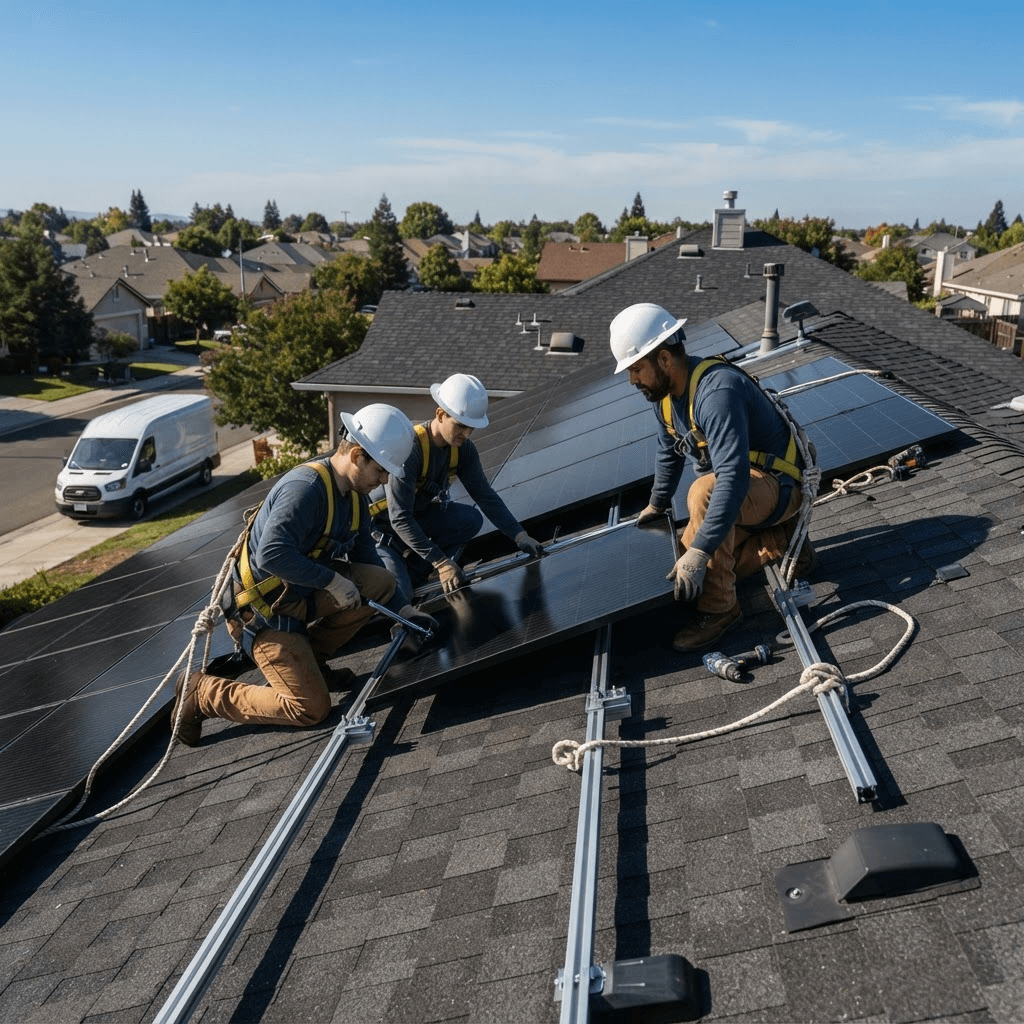
Benefits of Installing a Solar Roof (How They Transform Energy)
Discover the real benefits of installing a solar roof — from lower electricity bills and energy independence to environmental impact and home value.

Benefits of Installing a Solar Roof (How They Transform Energy)
Your roof spends all day soaking up sunlight, so why not put that energy to work? A solar roof does exactly that, transforming a passive part of your house into an active power plant that generates clean electricity. Whether it's traditional panels mounted on your existing roof or sleek solar shingles built into the roof itself, going solar fundamentally changes your relationship with energy.
Here's a closer look at the real benefits of installing a solar roof and how it transforms the way your home is powered.
1. Lower Electricity Bills
The most immediate and compelling benefit of a solar roof is dramatically lower electricity bills. A solar roof generates power directly from sunlight, offsetting or even eliminating the electricity you'd otherwise buy from the utility.
Instead of paying the power company every month, you're producing your own energy. In many areas, [net metering](/blog/what-is-net-metering-irradiance-solar-explained) lets you send excess power back to the grid for credits, further shrinking your bill. Over the lifespan of the system (typically 25 years or more), these savings often add up to tens of thousands of dollars, turning your roof into a long-term money-saving investment rather than just a monthly expense.
How much you save depends on your rate and usage, and our electricity bill savings calculator will estimate the reduction for your home specifically.
2. Energy Independence and Price Protection
Closely tied to savings is the benefit of energy independence. Utility electricity rates tend to rise over time, and grid outages can leave you in the dark. A solar roof, especially when paired with battery storage, insulates you from both.
Protection From Rising Rates
When you generate your own power, you're far less exposed to rising utility rates and volatile energy markets.
Backup Power During Outages
Pair your solar roof with a battery, and you can keep essential systems running during blackouts.
This shift from being a passive consumer at the mercy of the utility to an active, self-reliant energy producer is one of the most transformative aspects of going solar.
3. Environmental Benefits of a Solar Roof
Solar roofs also deliver significant environmental benefits, which matter more than ever. Solar electricity is clean and renewable, producing power without the carbon emissions, air pollution, or fossil-fuel consumption of conventional generation.
By powering your home with sunlight, you substantially reduce your household's carbon footprint over the system's lifetime — the equivalent of planting many trees or taking cars off the road. For homeowners who want to live more sustainably and contribute to fighting climate change, a solar roof is one of the highest-impact steps they can take right at home.
4. Increased Property Value and Financial Incentives
There are financial and practical perks beyond the energy savings, too.
- Higher resale value: Homes with solar typically see an increase in property value, and studies consistently show solar-equipped homes can sell faster and for more than comparable homes without it.
- Tax credits and rebates: Federal tax credits, along with state, local, and utility rebates, can offset a large portion of the installation cost.
- Low maintenance: Modern solar equipment is durable and low-maintenance, generally needing little more than occasional cleaning, and often comes with warranties spanning decades.
Solar Roofs Transform How You Power Your Home
Ultimately, installing a solar roof transforms energy from something you simply buy and consume into something you produce, control, and benefit from. It turns your home into a small clean-power station — cutting your bills, protecting you from rising rates and outages, shrinking your environmental impact, boosting your property value, and giving you a genuine sense of independence.
As solar technology keeps improving and costs keep falling, especially when paired with battery storage and smart energy management, the case only gets stronger. A solar roof isn't just an upgrade to your house — it's a fundamental shift in how you power your life, and one that pays dividends, financial, practical, and environmental, for decades to come.
3. A Cleaner Home and Planet
A solar roof quietly cuts your household's carbon footprint every day it operates. The electricity it generates displaces power that would otherwise come from burning fossil fuels, avoiding many tons of carbon dioxide over the system's life. For homeowners who want a tangible, lasting way to reduce their environmental impact, few upgrades match the sustained effect of turning their own roof into a clean power source for 25 years or more.
4. Increased Home Value
A solar roof is an improvement buyers are willing to pay for. Studies of home sales consistently find that owned solar systems raise resale value and help homes sell faster, because the new owner inherits years of reduced energy bills. Unlike many renovations that fade in appeal, a solar roof represents a functional asset with a measurable financial return, which is why appraisers increasingly factor it into a home's value.
5. Roof Protection and Durability
Panels mounted over your roof shield the covering beneath them from sun, rain, and hail, which can extend the life of that section of roofing. Solar shingles go further by serving as the roofing material itself, integrating weather protection and power generation into one surface. Either way, a solar roof is engineered to withstand decades of weather, and reputable installations come with workmanship warranties that cover the roof penetrations.
Solar Shingles vs. Traditional Panels
There are two main ways to build a solar roof. Traditional panels mount on racking above your existing roof and offer the best cost per watt and easiest servicing. Solar shingles, or solar tiles, replace the roofing material with photovoltaic elements for a seamless, low-profile look that many homeowners prefer aesthetically. Shingles typically cost more and are best considered when you are already replacing the roof, while panels make sense for an otherwise sound roof.
Low Maintenance for Decades
One of the underrated benefits of a solar roof is how little it asks of you. With no moving parts, panels need only occasional cleaning and the eventual replacement of the inverter around the midpoint of the system's life. Monitoring apps alert you if production drops unexpectedly, making it easy to keep the system running at full strength with minimal effort.
If you are weighing a solar roof against other upgrades, our complete library of solar guides covers costs, panel types, and payback in more depth.
Frequently Asked Questions
Will a solar roof damage my existing roof? Properly installed by a qualified professional, it should not. Penetrations are sealed and flashed, and the panels actually protect the roof surface beneath them. Reputable installers warranty their roof work.
Are solar shingles worth it compared to panels? Shingles offer a sleeker look and make the most sense when you are already replacing your roof, but they cost more and are harder to service. Panels deliver more power per dollar for a roof in good condition.
How much can a solar roof save me? Savings depend on your usage, local rates, and sun exposure, but many homeowners offset most or all of their electric bill and save tens of thousands of dollars over the system's 25-plus-year life.
Does a solar roof work during a blackout? Only if paired with battery storage. A standard grid-tied solar roof shuts off during outages for safety, so add a battery if backup power is a priority.