How Often Should You Fertilize Your Lawn?
How often to fertilize your lawn based on grass type, fertilizer type, and soil needs, with a simple two-to-four-feeding schedule most lawns can follow.
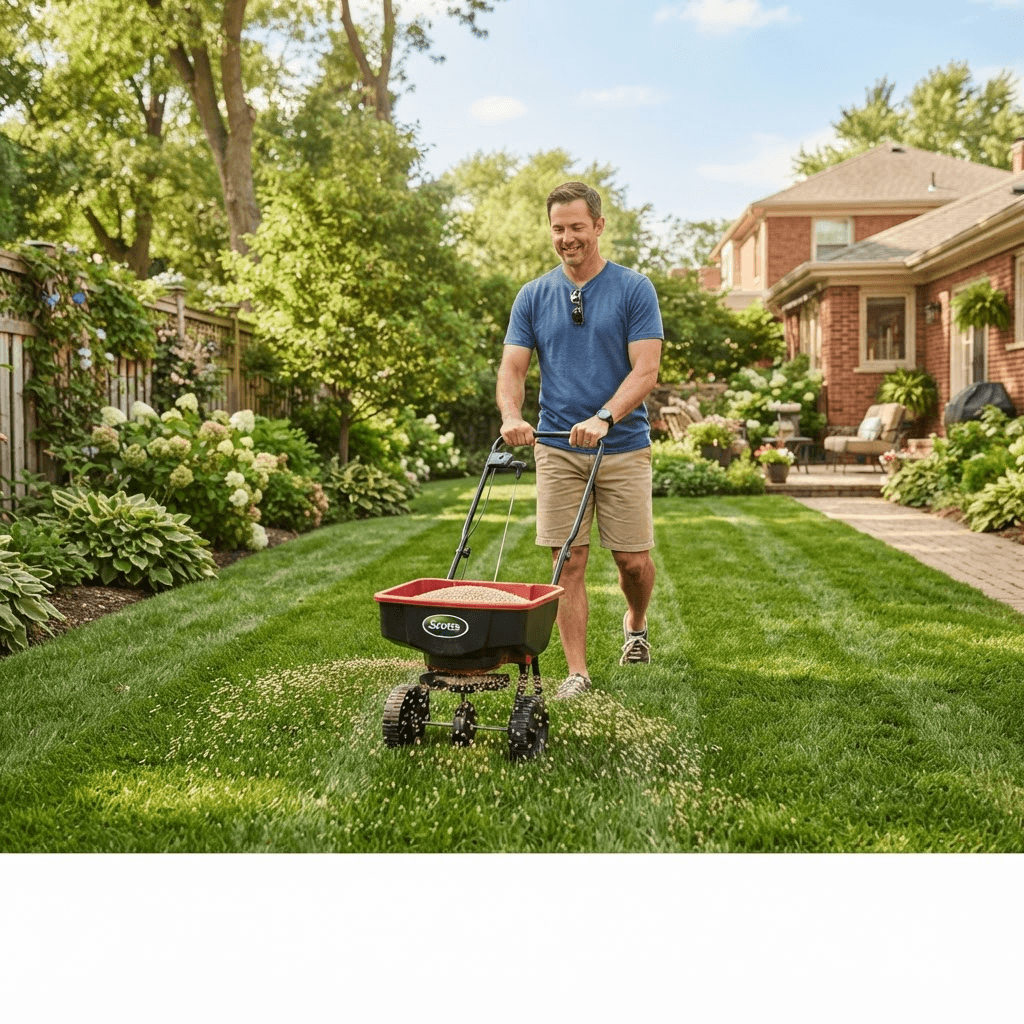
How Often Should You Fertilize Your Lawn?
How often you fertilize your lawn is one of those questions with a frustratingly common answer: it depends. But the factors it depends on are straightforward, and once you understand them you can build a feeding schedule that keeps your grass healthy without wasting money or harming the environment. The short version is that most lawns do best with a few well-timed feedings a year rather than constant applications.
Grass Type Determines the Timing
The single biggest factor is your grass type, because cool-season and warm-season grasses grow at opposite times of year. Cool-season grasses like fescue, ryegrass, and Kentucky bluegrass do most of their growing in spring and fall, so they should be fed then, with the heaviest feeding in fall to build strong roots before winter.
Warm-season grasses like Bermuda, zoysia, and St. Augustine grow in the heat of late spring and summer, so they're fed during those warmer months and left alone when they go dormant in winter. Fertilizing a lawn while it's dormant does no good and can even cause harm.
A Reasonable Rule of Thumb
A reasonable rule of thumb for most home lawns is two to four applications per year, spaced out during the active growing season. A common approach is a light feeding as growth begins, a follow-up in the middle of the growing season, and a final feeding as the season winds down.
That said, more is not better. Over-fertilizing pushes weak, disease-prone top growth, can burn the grass, and sends excess nitrogen running off into waterways where it causes real ecological damage.
Fertilizer Type Changes the Frequency
The kind of fertilizer you use also changes the frequency. Slow-release (or controlled-release) fertilizers feed the lawn gradually over six to eight weeks or more, so they're applied less often and are much more forgiving.
Quick-release formulas give a fast green-up but are used up quickly and demand more frequent, careful applications. For most homeowners, slow-release products are the easier and safer choice, keeping the lawn evenly fed with fewer trips across the yard.
Fertilize With Precision, Not Guesswork
If you want to fertilize with precision rather than guesswork, get a soil test. It tells you exactly which nutrients your soil is short on and which it already has plenty of, so you can feed only what's needed instead of applying a generic blend.
Pair that with good watering and mowing habits, and grasscycling by leaving clippings on the lawn to return nitrogen naturally, and you'll often find you need to fertilize less than you thought. In the end, the right frequency is the one matched to your grass, your climate, and your soil, applied at the right times rather than on autopilot.
A Season-by-Season Fertilizing Schedule
The right fertilizing rhythm depends first on whether you grow cool-season or warm-season grass. Cool-season lawns like fescue, ryegrass, and Kentucky bluegrass do most of their growing in spring and fall, so they are best fed with a light application in early spring, a heavier one in early fall, and a final winterizer feeding in late fall to build root reserves. Warm-season grasses such as Bermuda, zoysia, and St. Augustine wake up later, so they are fed from late spring through summer when they are actively growing, and never in late fall when they are heading into dormancy. Matching feeding to your grass's natural growth cycle is far more important than sticking to a fixed calendar date.
How to Read a Fertilizer Label
Every bag of fertilizer carries three numbers, the N-P-K ratio, representing the percentages of nitrogen, phosphorus, and potassium. Nitrogen drives green, leafy growth and is what most lawns need most; phosphorus supports root development; and potassium improves overall hardiness and stress tolerance. A typical lawn maintenance blend leans heavily on nitrogen, such as a 24-4-8 ratio. Understanding these numbers lets you choose a product suited to your lawn's stage, a higher-phosphorus starter fertilizer for new grass, a balanced or high-nitrogen blend for established turf.
Slow-Release vs. Quick-Release Fertilizer
Fertilizers come in two broad types, and the choice affects both results and how often you apply. Quick-release fertilizers deliver a fast green-up but are short-lived and easy to over-apply, raising the risk of burning the lawn and leaching into groundwater. Slow-release and controlled-release formulas feed the grass steadily over six to eight weeks or more, producing even growth, fewer applications, and less environmental runoff. For most homeowners, a slow-release product is the safer, lower-maintenance choice that spreads feeding out and reduces the chance of striping or burning.
Signs You Are Fertilizing Too Much or Too Little
Your lawn will tell you when the schedule is off. Pale, thin, slow-growing grass that struggles to recover from wear usually signals underfeeding. Conversely, a lawn that surges with excessive top growth, needs constant mowing, develops thatch buildup, or shows fertilizer burn is being overfed. Over-fertilizing is not only wasteful but harmful, weakening the lawn, feeding disease, and washing nutrients into waterways. When in doubt, feed less rather than more, and let a soil test guide precise amounts.
Why a Soil Test Beats Guesswork
The single best way to dial in your fertilizing is a soil test, which reveals your soil's pH and existing nutrient levels for a modest cost. Grass takes up nutrients best in slightly acidic to neutral soil, and if your pH is off, fertilizer can sit unused no matter how much you apply. A test tells you exactly what your lawn lacks so you can feed precisely instead of guessing, saving money and preventing the over-application that harms both turf and environment. Testing every few years keeps your program accurate as conditions change.
Once you know what your soil needs, our lawn feeding and soil guides help you build the rest of the schedule around it.
Frequently Asked Questions
How often should you fertilize your lawn? Most lawns do well with roughly two to four feedings per year, timed to the grass's active growth: spring and fall for cool-season grasses, and late spring through summer for warm-season grasses. A soil test refines the exact number.
What happens if you fertilize too often? Over-fertilizing causes excessive top growth, thatch buildup, fertilizer burn, and greater disease susceptibility, while washing excess nutrients into waterways. Feeding less frequently with a slow-release product is safer.
Should I fertilize in summer? Warm-season grasses benefit from summer feeding during active growth, but cool-season grasses are stressed by summer heat and should not be fed then. Feeding a dormant or stressed lawn does more harm than good.
What do the numbers on fertilizer mean? They are the N-P-K ratio, the percentages of nitrogen, phosphorus, and potassium. Nitrogen fuels green growth, phosphorus supports roots, and potassium builds hardiness. Most lawn fertilizers are nitrogen-heavy.