How to Work in Landscaping (Design and Labor Jobs)
Landscaping splits into maintenance, installation, hardscaping, and design. A guide to which pays best, which teaches most, and how to move between them.
How to Work in Landscaping (Design and Labor Jobs)
Landscaping is one of the easiest industries in the country to get hired in and one of the most misunderstood. Most people picture mowing crews, which is a real and substantial part of the business but only one of four fairly distinct career tracks. If you are new to the field, our overview of what landscaping actually covers is worth reading first, because the scope is much wider than lawn care.
The four tracks are maintenance, installation, hardscaping, and design. They pay differently, attract different people, and lead to different places.
Track one: maintenance
The recurring-revenue backbone of the industry. Mowing crew members run routes, servicing the same properties weekly through the growing season: mowing, edging, blowing, pruning, weed control, fertilization, seasonal cleanups, and irrigation checks.
- Entry: crew member. No experience required, and you will be trained on equipment in your first week.
- Advancement: crew lead, then account or route manager.
- The specialty upgrade: pesticide and fertilizer applicator licensing, which is state-issued and immediately raises your value. Understanding lawn fertilization properly is the technical core of that role.
Maintenance is the most stable track because contracts renew, and it is the easiest to enter. It is also the most repetitive and generally the lowest-paid at entry.
Track two: installation
Planting and softscape work: trees, shrubs, beds, sod, mulch, and seasonal color. This is where horticultural knowledge starts to matter, because plant selection determines whether the job still looks good in three years.
Real competence here means understanding mature size, sun and water requirements, root behavior, and soil. Planting a tree correctly sounds trivial and is the single most commonly botched task in the trade — depth and root-flare placement kill more young trees than anything else.
Installation crews also handle landscape lighting and metal edging and bed borders, both of which are good specialties to own.
Track three: hardscaping
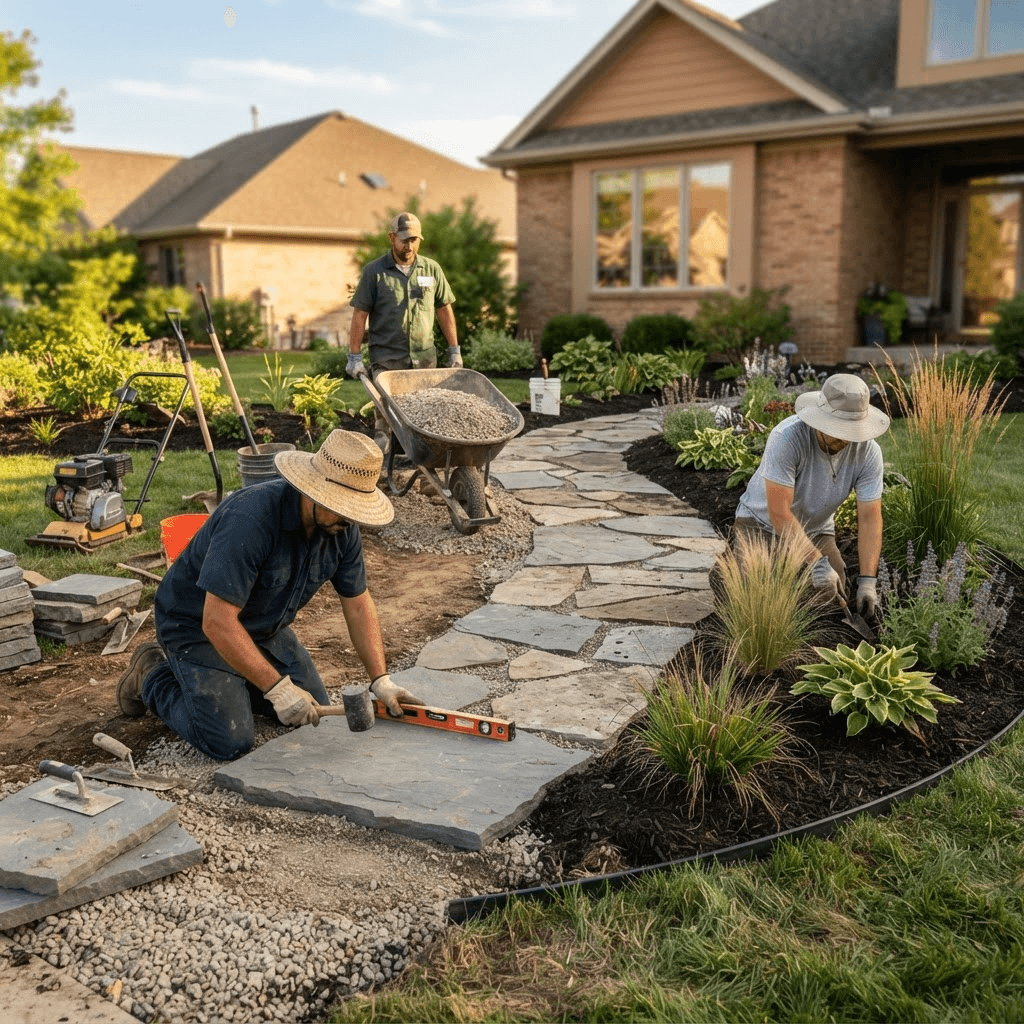
The highest-paid labor track. Hardscaping is the built environment of a yard: patios, retaining walls, walkways, steps, fire features, and drainage. Hardscaping as a discipline is closer to masonry and light civil construction than to gardening.
The skills are genuinely technical:
- Excavation, base preparation, and compaction — the invisible work that determines whether a patio stays flat.
- Grading and drainage, so water leaves the structure rather than pooling against it.
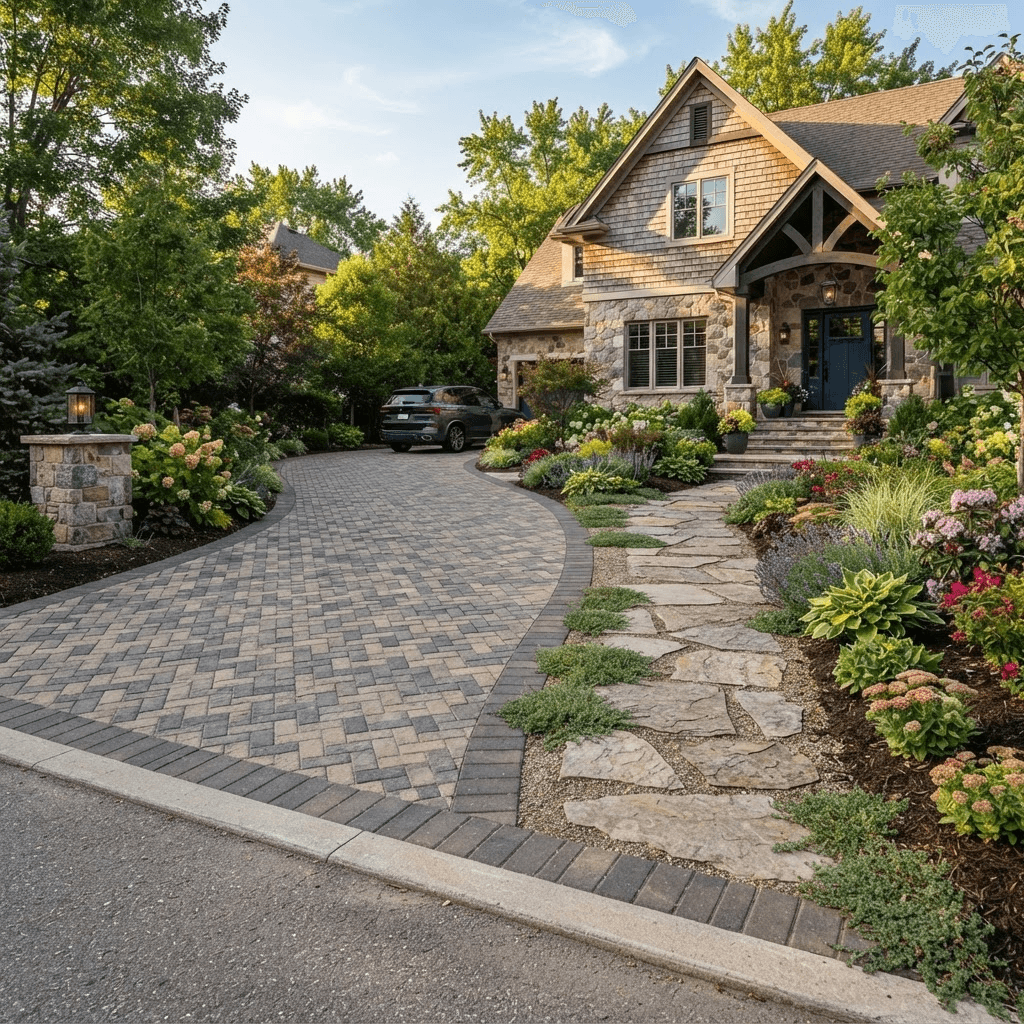
- Paver layout, cutting, and edge restraint. Our guide to driveway pavers and garden stones covers material selection.
- Segmental retaining wall construction, including geogrid reinforcement on taller walls.
Hardscaping pays a clear premium over maintenance because the work is heavier, the tolerances are tighter, and mistakes are expensive to undo. It is the track to choose if you want maximum earnings on the labor side.
Track four: design
The office and client-facing end. Designers meet homeowners, assess the site, produce plans, select plants and materials, and hand a buildable drawing to the crews.
There are two routes in:
- Landscape designer: often no license required, and many designers come up through installation and hardscaping crews before moving into design. Field experience is a serious advantage, because you know what can actually be built.
- Landscape architect: a licensed profession requiring an accredited degree and examination. Handles larger, more complex, and public or commercial sites.
Design work rewards knowing regional conditions. In dry climates, for instance, designing a drought-tolerant yard that still looks lush is the central problem, and region-specific ideas sell far better than generic plans. The business side of it — how homeowners find design services locally — shapes how designers generate work.
Pay and the seasonality problem
Compensation rises steadily across the four tracks: maintenance at the bottom, installation above it, hardscaping above that, and design and sales at the top. Crew leads add a premium over crew members in every track.
The real financial issue in landscaping is not the hourly rate — it is winter. In cold climates the season effectively ends, and companies handle the gap in a few ways:
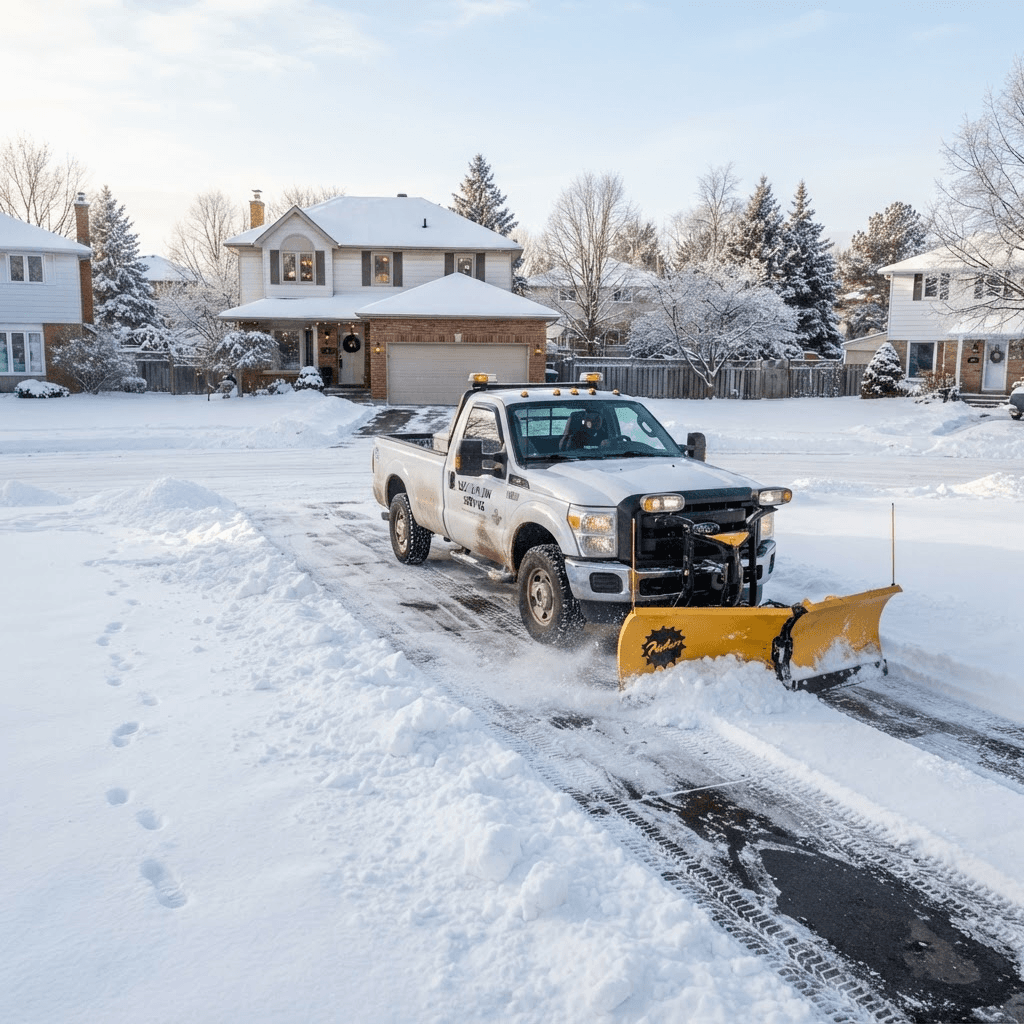
- Snow removal, which is why so many landscapers also offer snow plowing. It converts dead months into the highest-margin work of the year.
- Holiday lighting installation, a growing winter add-on.
- Layoffs and seasonal unemployment, still common at smaller companies.
Ask about winter work in the interview. It is the single most important question about your annual income, and many applicants never think to ask.
How to get hired
- Apply in February or March. Companies staff up before the season opens.
- Get a clean driving record. Being able to tow a trailer makes you far more valuable, and some roles need a commercial license.
- Learn the equipment names. Knowing a plate compactor from a sod cutter shows you did homework.
- Target hardscaping if you want money, maintenance if you want stability.
- Get an applicator license if you stay in maintenance. It is the cheapest raise available.
- Photograph your work. Landscaping is visual, and a portfolio moves you toward design faster than anything else.
Where it leads
Landscaping has a genuinely short ladder and an unusually low barrier to ownership — a truck, a trailer, and a mower is a business. That is why the field is crowded with small operators, and also why crews that show up on time and install plants correctly build reputations quickly.
The most durable path is to learn the labor side properly, add a license or a hardscaping specialty, then move toward design and estimating as the physical work gets harder. The knowledge compounds, and unlike many trades, the results of your work are visible for decades.