How to Work with Plants (Gardening and Horticulture)
Horticulture careers run from nursery grower and greenhouse technician to arborist and botanical garden horticulturist. What each involves and how to enter.
How to Work with Plants (Gardening and Horticulture)
Working with plants professionally is a much wider field than gardening. Horticulture covers plant production, propagation, greenhouse management, arboriculture, garden curation, and plant health diagnosis — and much of it pays better than people assume, because genuine plant knowledge has become scarce.
If you are the person who notices which shrubs are struggling and why, this is a field where that instinct is a marketable skill.
Nursery and greenhouse production
This is the industrial end of horticulture: growing plants at scale for sale to landscapers, retailers, and garden centers.
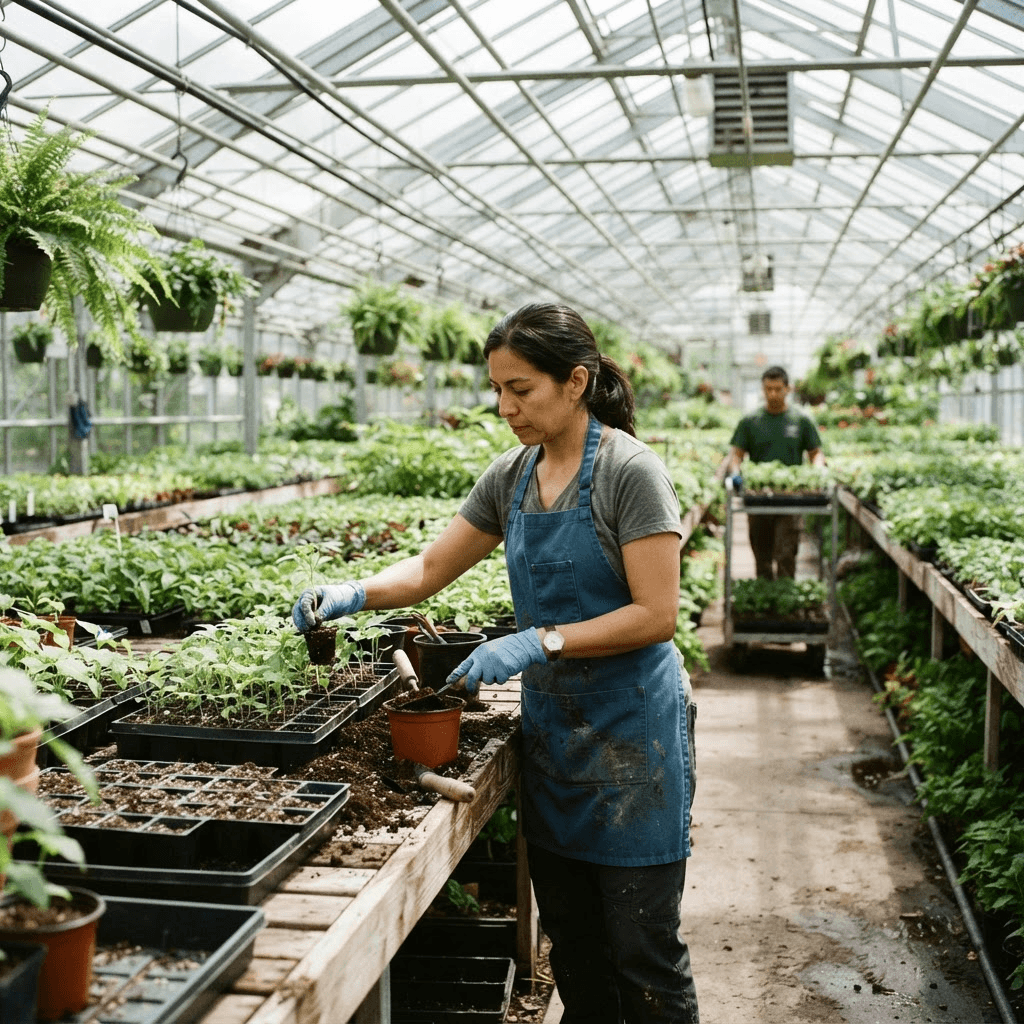
- Grower or production technician: manages irrigation, fertigation, spacing, pruning, and pest control across thousands of plants. You learn more plant physiology in one season here than in years of casual gardening.
- Propagator: takes cuttings, handles seed, manages grafting and tissue culture. The most technical and least crowded specialty in the whole field.
- Greenhouse or growing manager: runs environmental controls, crop scheduling, and labor.
Greenhouse work is year-round and climate-controlled, which makes it one of the few horticulture jobs immune to winter. The techniques increasingly overlap with indoor farming and vertical agriculture, and hydroponic production — including systems like hydroponic towers for strawberries — is expanding the number of these roles.
Arboriculture
Tree work is the highest-paying track in horticulture and the most hazardous. Arborists prune, remove, cable, and diagnose trees, often at height with a chainsaw.
The ladder runs from ground worker — dragging brush, running the chipper, learning rigging — to climber, then to crew lead, then to consulting arborist. The recognized credential is ISA Certified Arborist, which requires documented experience plus an exam and is the clear dividing line between a tree cutter and a professional.
Ground work needs no experience and is the standard entry point. It is heavy, but the progression to climbing is fast for people who show aptitude, and climbers are consistently in short supply. Knowing which trees and shrubs suit which landscape role is foundational.
Garden and grounds horticulture
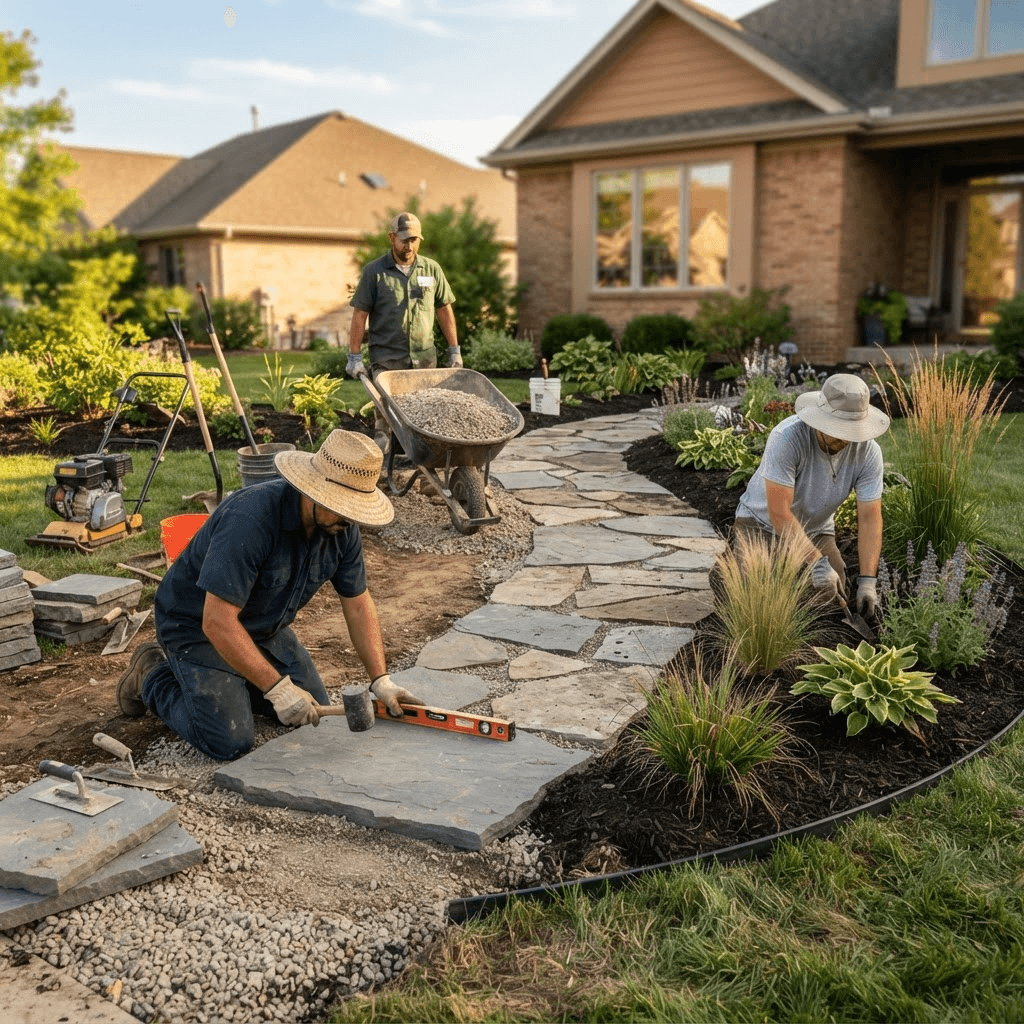
Botanical gardens, arboretums, universities, municipalities, resorts, and estates all employ horticulturists to maintain curated plantings. The work is more craft than production — pruning to form, seasonal display, soil management, collection record-keeping.
These jobs are prized and therefore competitive, but they are also where the deepest plant knowledge lives. Public gardens frequently hire seasonal gardeners and interns, which is the standard way in. Practical design sense matters here as much as horticulture, and skills like building a flower garden or bed and working with foliage and ornamental grasses are daily tools.
Plant health care and diagnostics
The specialty that scales best. Plant health care technicians diagnose disease, insect, and abiotic problems, then prescribe treatment — soil amendment, targeted application, cultural change, or removal.
The skill is diagnostic reasoning: distinguishing drought stress from root rot from a vascular disease when the visible symptoms look identical. It requires an applicator license in most states, and it commands a premium because so few people can do it reliably.
Soil is half of this job, which is why understanding why soil health is effectively irreplaceable and how topsoil quality varies matters so much. Fertility knowledge, including how fertilizer ratios like 10-10-10 actually work, is the other half.
Related paths worth knowing
- Garden center retail and buying: customer-facing plant advice, and a good way to build broad plant identification quickly.
- Irrigation technician: designing and repairing the systems that keep plantings alive. Overlaps heavily with local irrigation work.
- Seed and cover crop specialist: agricultural crossover, advising on cover crop selection.
- Interior plantscaping: maintaining plants in offices, hotels, and malls. Indoor, year-round, and consistently overlooked.
- Floriculture: cut-flower production and floral design, a distinct industry with its own supply chain.
What it pays
Horticulture pay tracks specialization more than seniority:
- Entry nursery, greenhouse, and grounds work sits near local labor rates.
- Licensed applicators and plant health technicians earn a clear premium.
- Certified arborists and climbers are the highest-paid field roles by a wide margin.
- Greenhouse managers, growers, and consulting arborists sit at the top.
Public garden and municipal positions often pay modestly but come with unusually good benefits and job security, which is a real trade-off worth weighing.
How to break in
- Take a seasonal job at a nursery or public garden. It is the standard entry route and it builds plant vocabulary fast.
- Learn to identify plants cold. This is the qualification. Aim for a few hundred species by sight, including cultivars.
- Get your applicator license. Cheap, quick, and it unlocks the better-paid technical roles.
- Pursue ISA certification if tree work appeals. Start as a ground worker and log hours.
- Consider a two-year horticulture program. Community college horticulture degrees have strong placement and cost little.
- Start with propagation if you want scarcity value. Few people can do it well, and those who can are always employed.
The field rewards patience in a literal sense — you are working on biological timescales, and the best horticulturists are the ones who have watched enough seasons to know what a plant will do next.