How to Find Landscaping and Hardscaping Design Services Locally
How to find, vet, and hire a local landscaping or hardscaping designer — the difference between the two disciplines, where to find candidates, and how to compare quotes.
How to Find Landscaping and Hardscaping Design Services Locally
When a yard project grows beyond a weekend of planting — whether it's a full landscape redesign, a paver patio, a retaining wall, or an outdoor living space — it's usually time to bring in a professional. But finding the right local landscaping and hardscaping designer takes more than a quick search. Knowing what kind of pro you need, where to find good candidates, and how to vet them makes the difference between a smooth project and an expensive headache.
Know the Difference Between Landscaping and Hardscaping
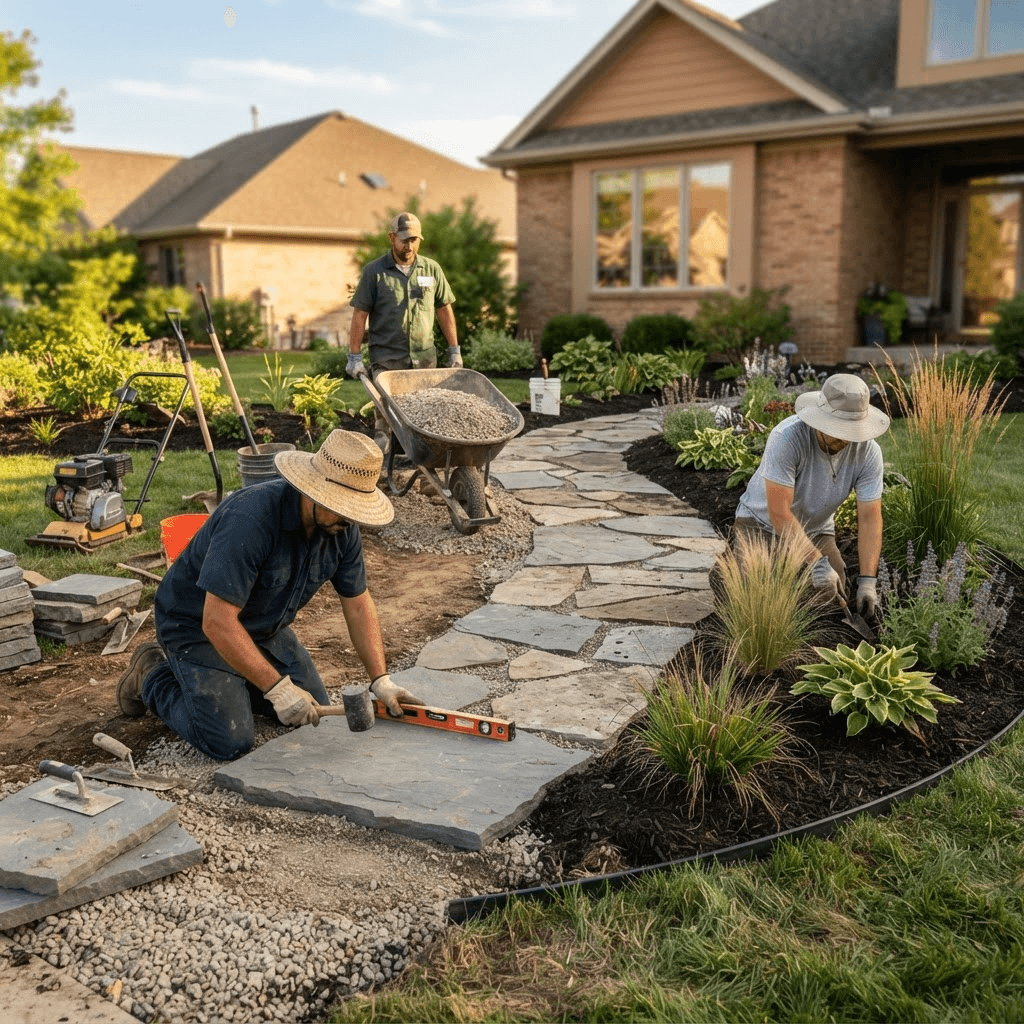
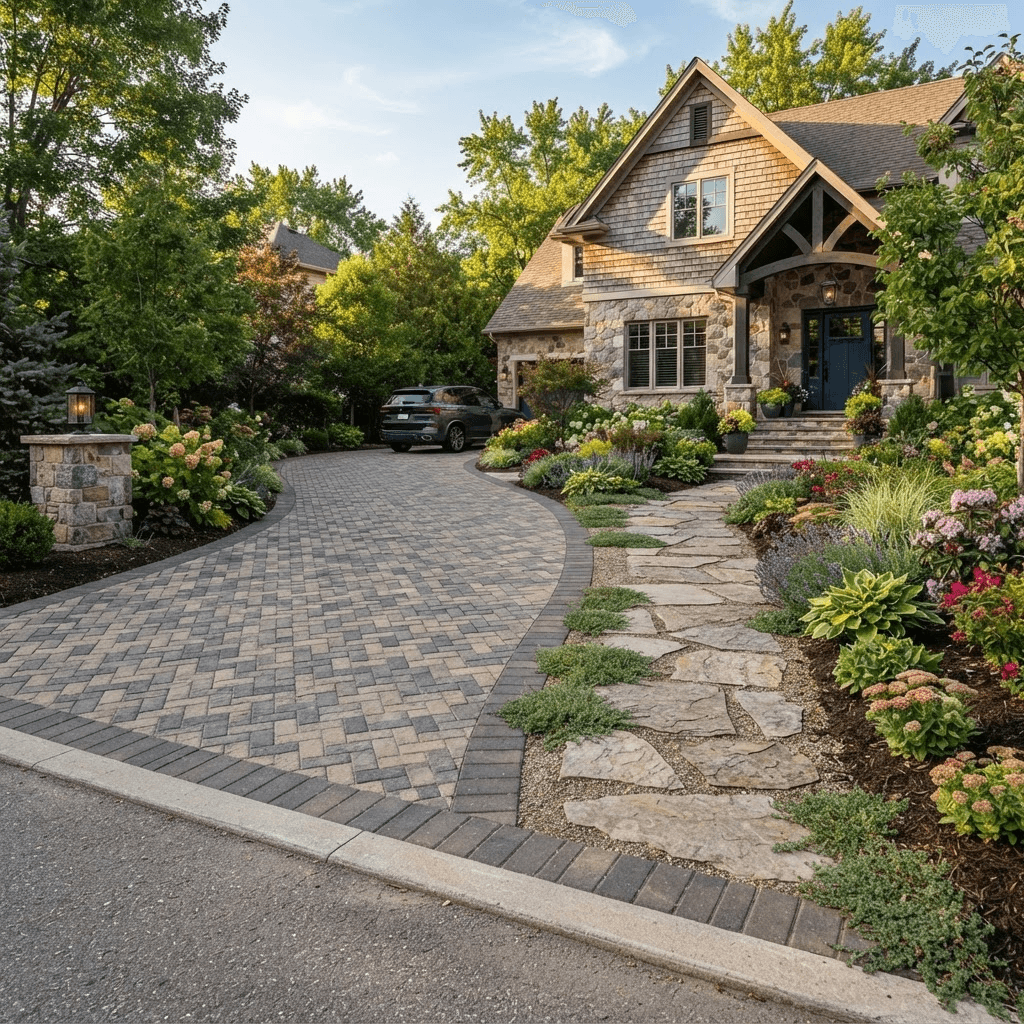
Start by understanding the difference between the two disciplines, because it shapes who you hire. Landscaping refers to the living elements — plants, trees, lawns, and garden beds — while hardscaping covers the built, non-living structures like patios, walkways, retaining walls, driveways, and fire features.
Many projects involve both, so look for a designer or company that handles landscape and hardscape together, or be prepared to coordinate specialists. For larger or more complex jobs, a landscape designer or landscape architect can plan the whole vision, while an installation contractor executes it.
Gather Candidates From Several Sources
Once you know what you need, gather candidates from several sources. The best lead is a referral: ask neighbors, friends, and coworkers whose yards you admire who did the work.
Beyond word of mouth:
- Search online directories and review platforms.
- Browse local companies' portfolios and social media for projects similar to yours.
- Check whether they specialize in your kind of work.
Aim to line up at least three candidates so you can compare approaches, personalities, and pricing.
Vet Every Candidate Carefully
Vetting is where you protect your investment. Confirm each company is licensed, bonded, and insured, since hardscaping in particular involves heavy materials, excavation, and structural work where an uninsured accident could become your liability.
Review their portfolio for projects comparable to yours and ask to see completed work in person or speak with recent references. Read reviews carefully, looking for patterns in how they handle communication, timelines, and problems rather than fixating on any single comment.
Treat the Consultation as a Two-Way Interview
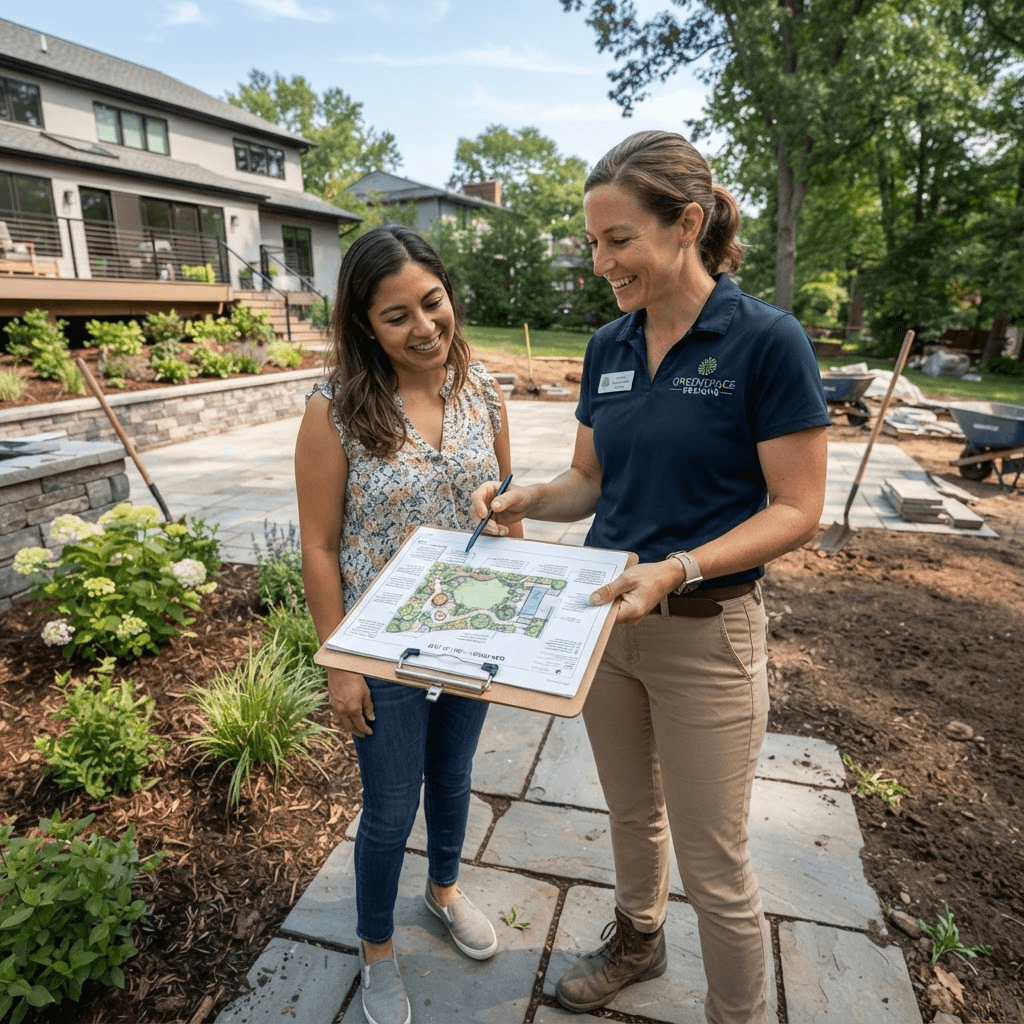
When you meet with candidates, treat the consultation as a two-way interview. Ask how they approach design, whether they provide detailed plans or drawings, who will actually be on site doing the work, and how they handle permits, which hardscaping projects often require.
Discuss timeline, what happens if issues arise mid-project, and what warranty they offer on workmanship and materials. Pay attention to how well they listen to your goals and budget — a good designer adapts to your vision rather than pushing a template.
Compare Quotes on Substance, Not Just Price
Finally, compare quotes on substance, not just the bottom line. Insist on written, itemized estimates so you can see exactly what each price includes — materials, labor, prep work, cleanup, and any design fees — and be wary of a bid dramatically lower than the rest, which often signals cut corners or missing scope.
Make sure everything is captured in a written contract before work begins: scope, materials, timeline, payment schedule, and warranties. Choose the pro who combines a strong portfolio, solid references, clear communication, and fair, transparent pricing, and your landscaping and hardscaping project is far more likely to turn out exactly as you imagined.
Knowing What Kind of Pro You Need
Before searching, it helps to understand the different specialists behind an outdoor project, because the right title saves time and money. A landscape designer handles plant selection and softscape layout, a landscape architect is licensed for complex, structural, or large-scale work, and a hardscape contractor specializes in patios, walls, and paving. Many full-service landscaping companies combine design and installation under one roof. Clarifying whether your project is mainly planting, mainly construction, or both tells you which type of professional to look for and prevents hiring someone whose expertise does not match the job.
Where to Search for Local Pros
Finding candidates is easier than ever with the right sources. Online directories and review platforms let you filter by location, specialty, and rating, while a search for local landscaping or hardscaping services surfaces nearby companies with photos of past work. Referrals remain the gold standard, so ask neighbors whose yards you admire, and check community groups and social media where homeowners share recommendations. Local nurseries and stone suppliers also know the reputable installers in your area and are often happy to point you toward pros who buy quality materials from them.
Vetting Candidates and Checking Credentials
Once you have a shortlist, vetting protects you from costly mistakes. Confirm each company is licensed where required, insured for liability and workers' compensation, and experienced with your type of project. Ask to see a portfolio of completed work, ideally similar in scope to yours, and request references you can actually call. Reading recent reviews reveals patterns in communication, timeliness, and cleanup. A trustworthy professional will readily provide proof of insurance and references, so hesitation on these basics is a meaningful red flag worth heeding.
Comparing Bids the Right Way
Gathering at least three written estimates lets you compare fairly, but the lowest number is rarely the best choice. Read each bid closely for exactly what is included, materials, labor, site prep, cleanup, and warranties, since a cheap quote often leaves out costs that reappear later. Beware of estimates far below the others, which can signal inexperience, cut corners, or cheap materials. A detailed, itemized proposal that clearly explains the scope reflects a professional who has thought the job through and is far more reliable than a vague one-line price.
Walking into that comparison with a number of your own helps, and our yard project cost calculator gives you a baseline to measure each bid against.
Setting Expectations With a Contract
Protecting yourself and the relationship comes down to a clear written agreement. A solid contract spells out the full scope of work, materials and quantities, a project timeline, the payment schedule, and warranty terms. Avoid paying the full amount upfront; a reasonable deposit with payments tied to milestones is standard. Put any changes in writing as they arise, and keep communication open throughout. A professional who welcomes a detailed contract is signaling accountability, and that document becomes your reference point if any questions or disputes come up during the project.
Knowing the vocabulary makes these conversations easier, which is why our landscaping and hardscaping resources are worth a read before your first consultation.
Frequently Asked Questions
How do I find a good local landscaper? Combine online directories and reviews with word-of-mouth referrals from neighbors and local nurseries. Shortlist a few, then vet each for licensing, insurance, a relevant portfolio, and callable references before deciding.
What is the difference between a landscape designer and architect? A designer focuses on plants and softscape layout, while a landscape architect is licensed for complex, structural, or large-scale projects. Hardscape contractors specialize in patios, walls, and paving.
How many quotes should I get for a landscaping project? Get at least three written, itemized estimates so you can compare scope and value fairly. Be cautious of bids far below the rest, which often signal cut corners or hidden costs that surface later.
What should a landscaping contract include? A clear scope of work, materials and quantities, a timeline, a milestone-based payment schedule, and warranty terms. Avoid paying in full upfront and put any changes in writing as the project progresses.