What is Hardscaping?
Practical guide to hardscaping — the built, non-living elements of a landscape, including patios, walkways, retaining walls, and how to choose the right material for each.
What Is Hardscaping?
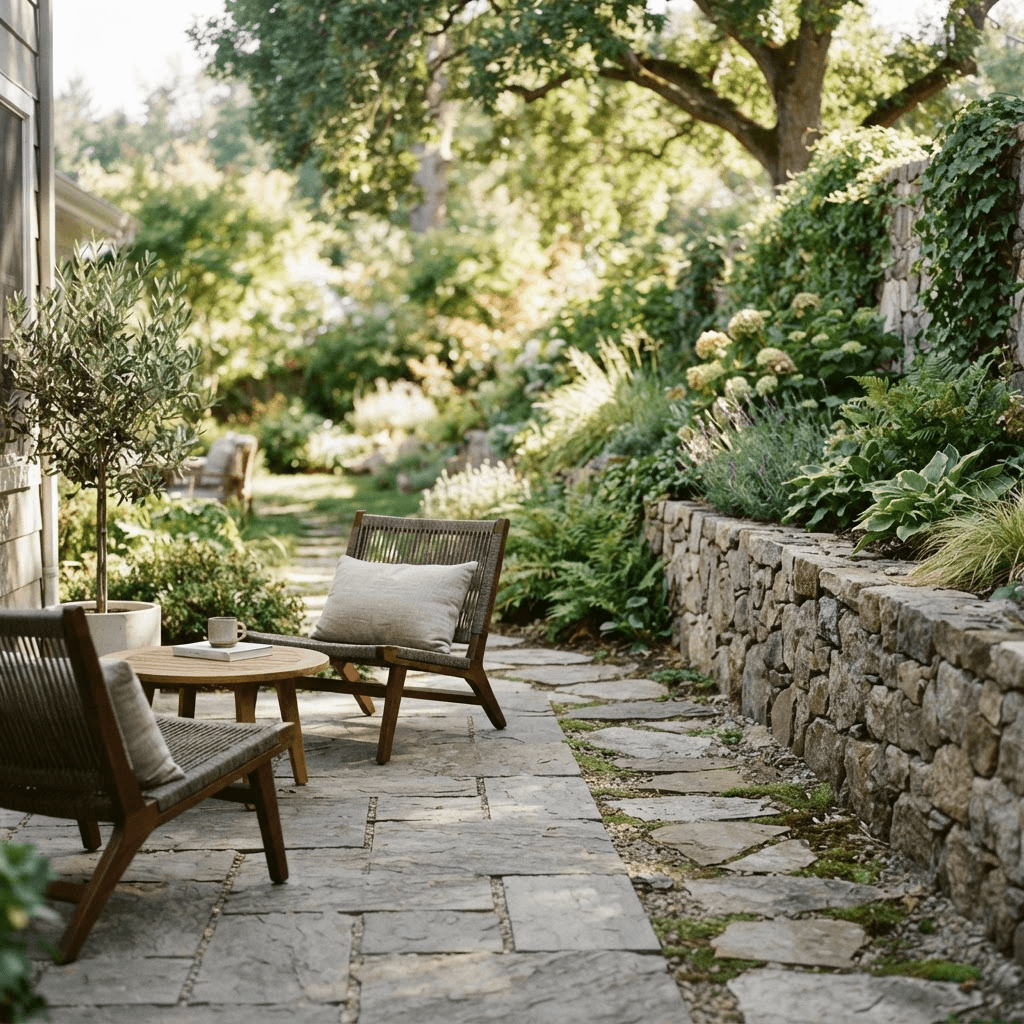
Hardscaping refers to all the non-living, built elements of a landscape. If softscape is the plants, hardscape is everything else: patios, walkways, retaining walls, decks, fences, and stone features.
Hardscaping Does More Than Look Good
These elements do more than look good. Retaining walls hold back soil and prevent erosion on sloped lots. Walkways guide movement and protect planting beds from foot traffic. Patios create usable outdoor rooms for dining and gathering.
Choosing the Right Hardscape Material
Material choice matters. Natural stone, concrete pavers, brick, and gravel each bring a different look, cost, and maintenance profile:
- Natural stone brings an organic, high-end look, but sits at a higher cost.
- Concrete pavers offer a clean, consistent finish across a wide range of styles.
- Brick gives a traditional, warm look with moderate cost and upkeep.
- Gravel is the most casual and permeable option, though it needs more frequent upkeep.
Don't Forget Drainage
We also plan for drainage, since hard surfaces shed water that needs somewhere to go. Every patio, walkway, or wall should have a planned path for runoff, not one added as an afterthought.
The Payoff: A Durable Framework for Your Landscape
Done well, hardscaping provides the durable framework that makes the softer, planted parts of a landscape shine, and it typically adds lasting value to a property.
Hardscape vs. Softscape: How They Work Together
The easiest way to understand hardscaping is to contrast it with softscape. Softscape is everything alive and growing, lawns, trees, shrubs, and flowers, while hardscape is everything solid and built. A landscape needs both to feel complete. Hardscape supplies the structure, the patios, paths, and walls that define how a space is used, and softscape supplies the life and color that soften those hard lines. When the two are balanced, roughly a third to half hardscape in many designs, a yard feels usable and lush at once. Too much hardscape feels cold and paved over; too little leaves plantings without shape or purpose.
The Main Categories of Hardscape
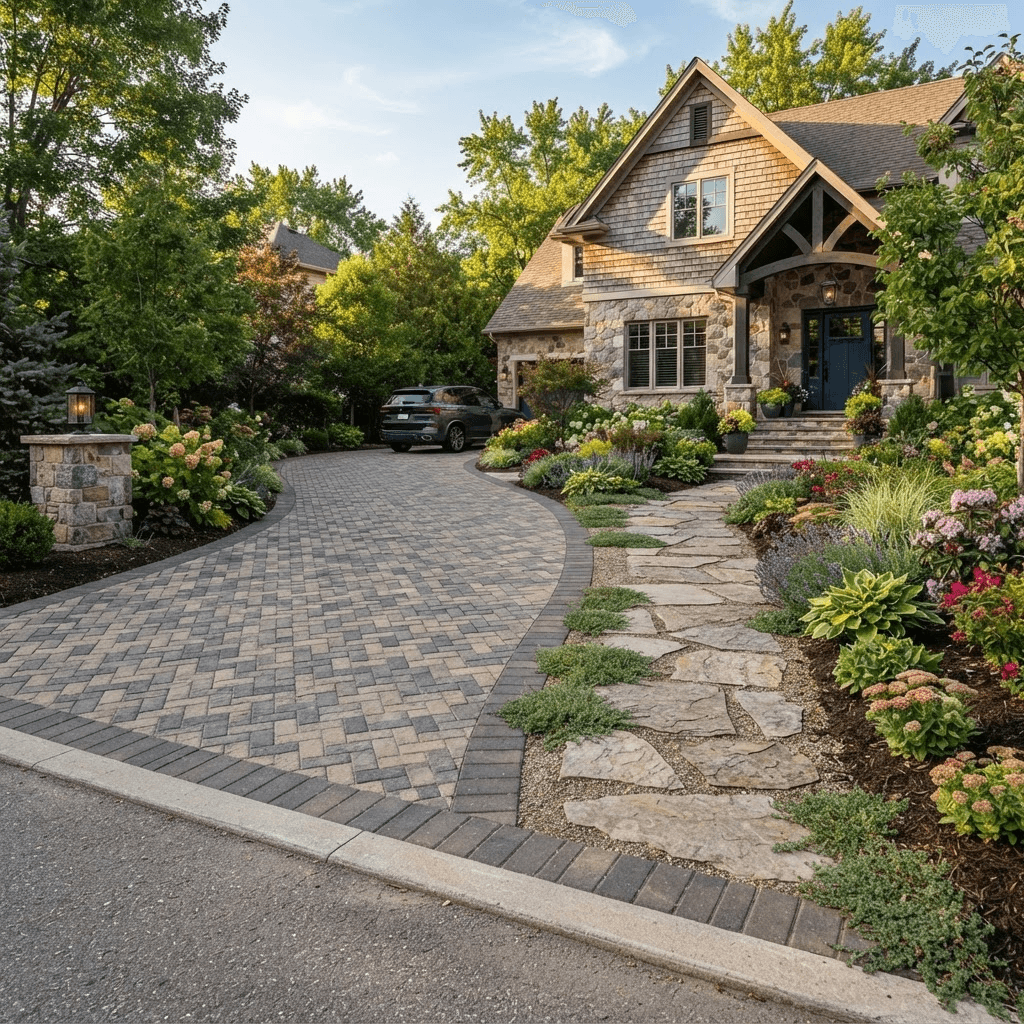
Hardscape covers a wide range of features, each with a distinct job. Patios and decks create outdoor living and dining areas. Walkways and steps connect spaces and guide movement safely. Retaining walls hold back soil on slopes and create usable terraces. Fences, pergolas, and screens define boundaries and add privacy or shade. Water features, fire pits, and outdoor kitchens turn a yard into a destination. Knowing these categories helps you prioritize, since a well-planned yard usually introduces hardscape in order of how it will actually be used.
Popular Hardscaping Materials Compared
Material choice drives both the look and the long-term cost of hardscape. Natural stone offers unmatched, organic beauty and longevity at a premium price. Concrete pavers deliver consistency, a huge range of styles, and easy repair since individual units can be lifted and replaced. Poured concrete is economical and versatile but prone to cracking over time. Brick brings timeless warmth with modest upkeep. Gravel is the most affordable and permeable option, though it needs occasional topping up. Matching the material to the feature, and to your climate's freeze-thaw cycles, is what makes hardscape last.
Why Drainage and a Solid Base Matter Most
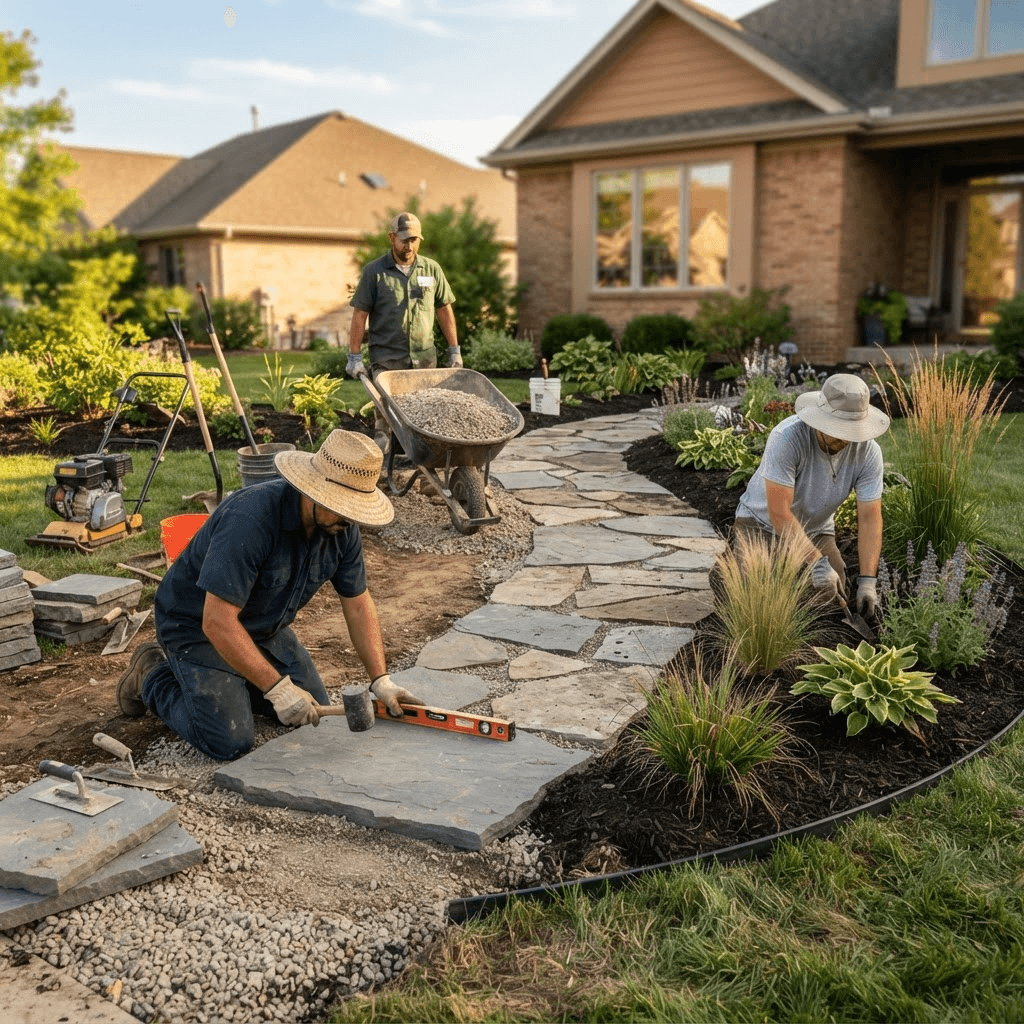
The most common reason hardscape fails is not the surface material but what lies beneath it. Every patio, walkway, and wall needs a properly compacted base of crushed stone and, often, sand, plus a deliberate plan for where water will go. Hard surfaces shed water rather than absorbing it, so runoff must be directed away from the house and toward drains, swales, or permeable areas. Skimping on the base or ignoring drainage leads to settling, cracking, heaving, and pooling, problems that are expensive to fix after the fact but easy to prevent up front.
Permeable Hardscaping and Stormwater
As stormwater regulations tighten and homeowners look to be kinder to the environment, permeable hardscaping has grown popular. Permeable pavers, gravel, and open-jointed surfaces let rain soak into the ground instead of rushing into storm drains, which reduces flooding, recharges groundwater, and filters pollutants. In some regions, permeable surfaces even help meet local drainage codes. If you are replacing a large driveway or patio, choosing a permeable system is one of the most impactful eco-friendly upgrades available.
How Much Does Hardscaping Cost?
Hardscaping is typically the most expensive part of a landscape because of the materials and labor involved. Gravel paths sit at the low end, while paver patios, natural stone, and especially retaining walls and outdoor kitchens climb quickly. Retaining walls in particular carry engineering and drainage requirements that add cost but are essential for safety. Because hardscape is durable and hard to change later, it is usually worth investing in quality materials and proper installation rather than cutting corners you will regret.
You can price a specific patio, walkway, or retaining wall in our hardscape cost estimator to see how materials and labor split out.
DIY Hardscaping vs. Hiring a Pro
Small, ground-level projects like gravel paths, simple paver walkways, and garden borders are realistic DIY undertakings for a patient homeowner. Anything involving significant grading, structural retaining walls over a few feet, or drainage correction is best left to professionals, both for safety and because mistakes are costly to undo. If you do tackle hardscape yourself, invest the most effort in excavation, base preparation, and drainage, since those hidden steps determine whether the finished surface lasts for decades or fails in a few seasons.
Whichever route you take, our hardscaping project guides cover materials, base prep, and what a professional quote should include.
Frequently Asked Questions
What is hardscaping in landscaping? Hardscaping refers to all the non-living, built elements of a landscape, including patios, walkways, retaining walls, decks, fences, and stone features. It provides the structural framework around which plants and lawns are arranged.
What is the difference between hardscape and softscape? Hardscape is the solid, constructed part of a yard, such as paving and walls, while softscape is the living part, such as plants, trees, and turf. A balanced landscape uses both together.
What is the most durable hardscaping material? Natural stone and quality concrete pavers are among the most durable choices, resisting cracking and wear for decades when installed over a properly compacted base with good drainage.
Does hardscaping add value to a home? Yes. Well-designed hardscape, especially functional features like patios and walkways, expands usable living space and tends to add lasting value while requiring less ongoing upkeep than plantings.