Landscaping Rocks, Gravel, and Boulders Explained
A guide to landscaping rock, from gravel and decorative stone to boulders, plus how to layer them by scale for a natural, professional look.
Landscaping Rocks, Gravel, and Boulders Explained
Rock is one of the most versatile and durable materials in landscaping, and unlike plants it never needs watering, mowing, or replanting. From fine gravel to massive boulders, stone adds texture, structure, and permanence to a yard while cutting down on maintenance. Understanding the main categories, and what each does best, makes it easy to use rock effectively rather than just dumping a pile of stone and hoping it looks intentional.
Gravel: Small, Loose, and Flexible
Gravel is the smallest and most flexible category, made up of loose stone typically ranging from pea-sized up to a couple of inches. It's the go-to material for pathways, patios, driveways, and as a mulch alternative in planting beds. Because it's permeable, gravel lets rain soak into the ground instead of running off, which makes it both practical and eco-friendly.
Popular types include pea gravel, with its smooth rounded pebbles that are comfortable underfoot, crushed stone, whose angular edges lock together for a firmer, more stable surface, and decomposed granite, a fine gritty material that compacts into a natural-looking path.
Decorative Rocks and Stones: Mid-Sized Accents
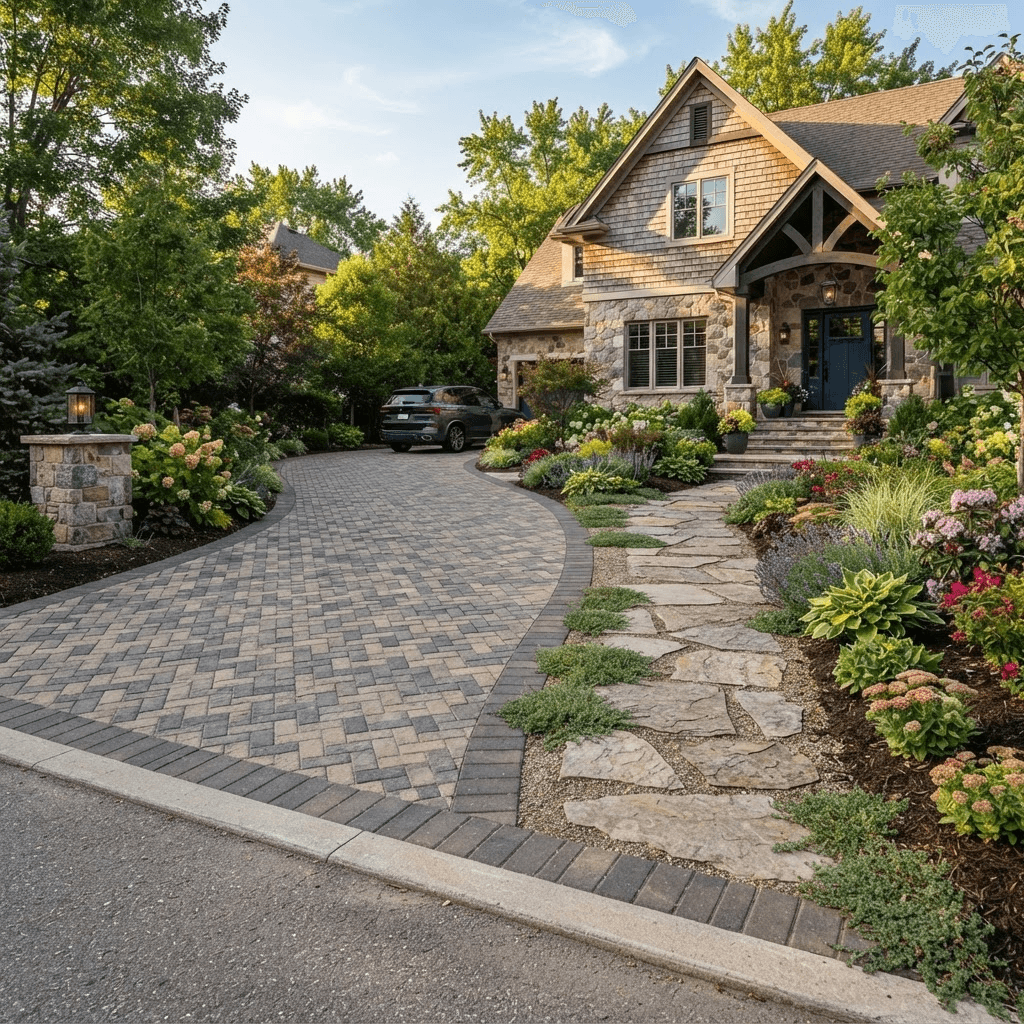
Decorative rocks and stones are the mid-sized players, prized more for looks than for surfacing. River rock, smooth and rounded from water tumbling, is a favorite for dry creek beds, drainage channels, and accent borders. Lava rock, lightweight and porous with a rich red-black color, works well as a striking mulch. Flagstone, flat and broad, is ideal for stepping stones and natural patios.
These stones bring color, contrast, and defined edges to a landscape, and they're often used to separate zones or highlight a feature.
Boulders: The Anchors and Focal Points
Boulders are the largest category and serve as the anchors and focal points of a rock landscape. A well-placed boulder, or a cluster of them, adds instant weight, scale, and a sense of permanence that smaller materials can't match. They work beautifully as natural sculpture in a bed, as anchors in a rock garden, for terracing a slope, or as informal seating.
The key with boulders is placement: partially burying them so they look like they emerged from the earth naturally, rather than sitting on top like they were dropped by a truck, is what separates a professional look from an amateur one.
Layering Scale Is the Secret
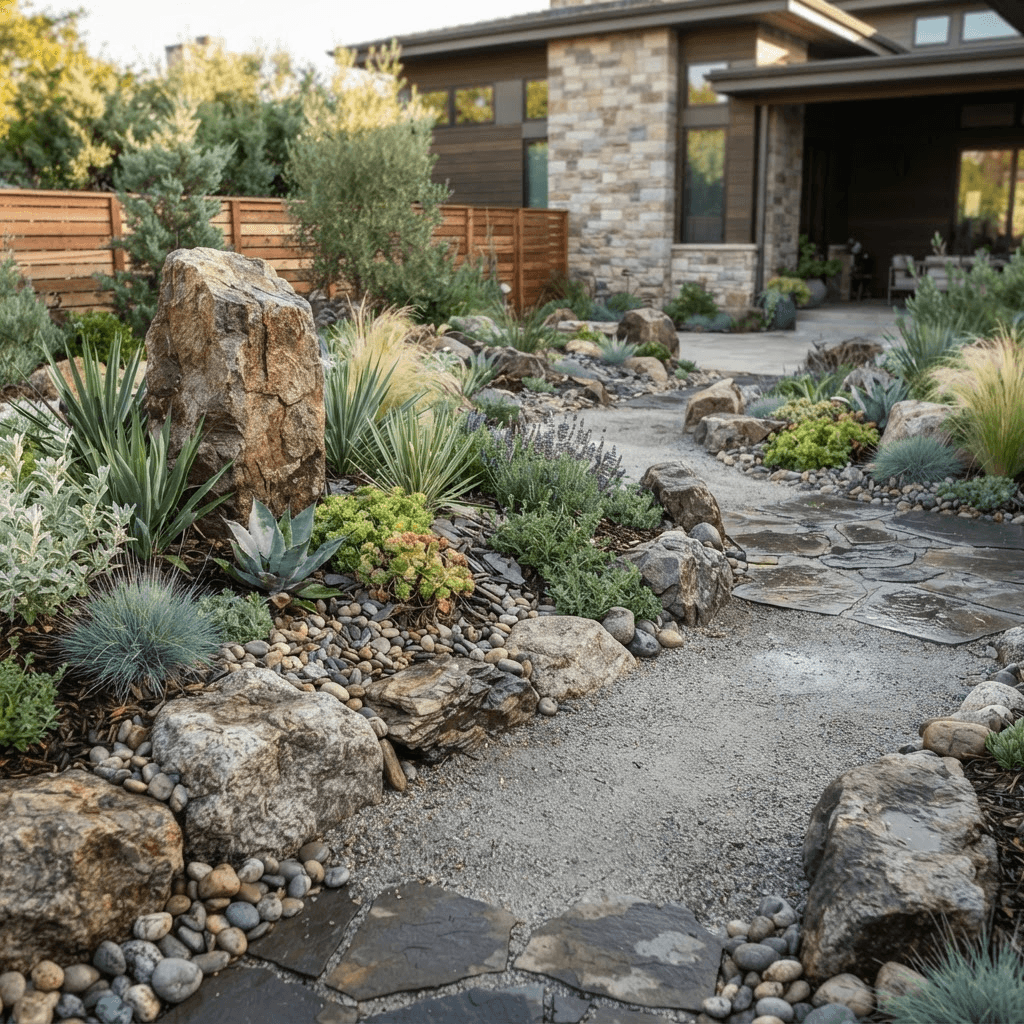
The magic happens when you combine the three by layering scale. Use boulders as the big anchors, decorative stones for mid-level accents and edging, and gravel as the connective ground cover that ties everything together. This mirrors how rock appears in nature and gives a rock landscape depth instead of monotony.
Pairing stone with a few sculptural, drought-tolerant plants keeps it from feeling barren while preserving the low-water, low-maintenance benefits.
Practical Tips for Getting It Right
A few practical tips ensure your rock features last and look right. Always lay landscape fabric under gravel and stone to block weeds and keep the rock from sinking into the soil. Order more material than you think you need, since coverage is easy to underestimate, and remember that rock is sold by weight or volume, so factor delivery into the budget for heavy loads.
Choose stone colors that complement your home and hardscape rather than clashing with them. Get these basics right and rock will reward you with a landscape that looks polished year-round and asks almost nothing in return.
The Three Categories: Rock, Gravel, and Boulders
Landscaping stone comes in three broad size categories, each with a distinct role. Boulders are the largest, single dramatic stones used as focal points, natural seating, or anchors in a bed. Decorative rock covers the mid-range of cobbles and river stones that fill beds, line dry creek beds, and add texture. Gravel is the smallest, loose aggregate used for paths, patios, mulch alternatives, and drainage. Understanding these categories helps you choose the right material for each job, since a stone that works beautifully as a path surface would look wrong standing in for a focal boulder, and vice versa.
Common Types of Landscaping Gravel
Gravel is not one product but many, and the type you choose shapes both look and function. Crushed stone, with its angular edges, locks together tightly and is ideal for compacted paths and driveways. Pea gravel, smooth and rounded, is comfortable underfoot and popular for patios and play areas, though it shifts more easily. Decomposed granite packs into a firm, natural-looking surface for walkways. River rock and larger cobbles are decorative rather than walkable, used in beds and drainage features. Matching the gravel type to its purpose, angular for stability, rounded for comfort, decorative for beds, is the key to a lasting result.
Using Boulders as Focal Points
A well-placed boulder brings instant permanence and drama to a landscape, but placement is an art. The most natural look comes from burying part of the boulder so it appears to emerge from the earth rather than sitting on top of it, ideally a third or more of its height below grade. Group boulders in odd numbers and vary their sizes for a natural composition, and orient any visible grain or strata consistently as it would occur in nature. A single large boulder can anchor a bed, terminate a view, or double as informal seating, doing the work of many smaller plants.
Rock as a Low-Maintenance Ground Cover
One of the biggest appeals of landscaping rock is its low maintenance compared to mulch or lawn. Unlike wood mulch, which breaks down and must be replenished, stone lasts indefinitely, resists wind and washout, and does not attract pests. Spread over landscape fabric, gravel and decorative rock suppress weeds and reduce watering, making them a favorite for drought-tolerant and xeriscape designs. The trade-offs are that rock absorbs and radiates heat, can be harder to plant into, and collects leaves and debris that need occasional clearing, so it suits some areas better than others.
Gravel is sold by weight or volume rather than by area, so our gravel coverage calculator is the quickest way to translate your square footage into tons or cubic yards.
Installation Tips for Lasting Results
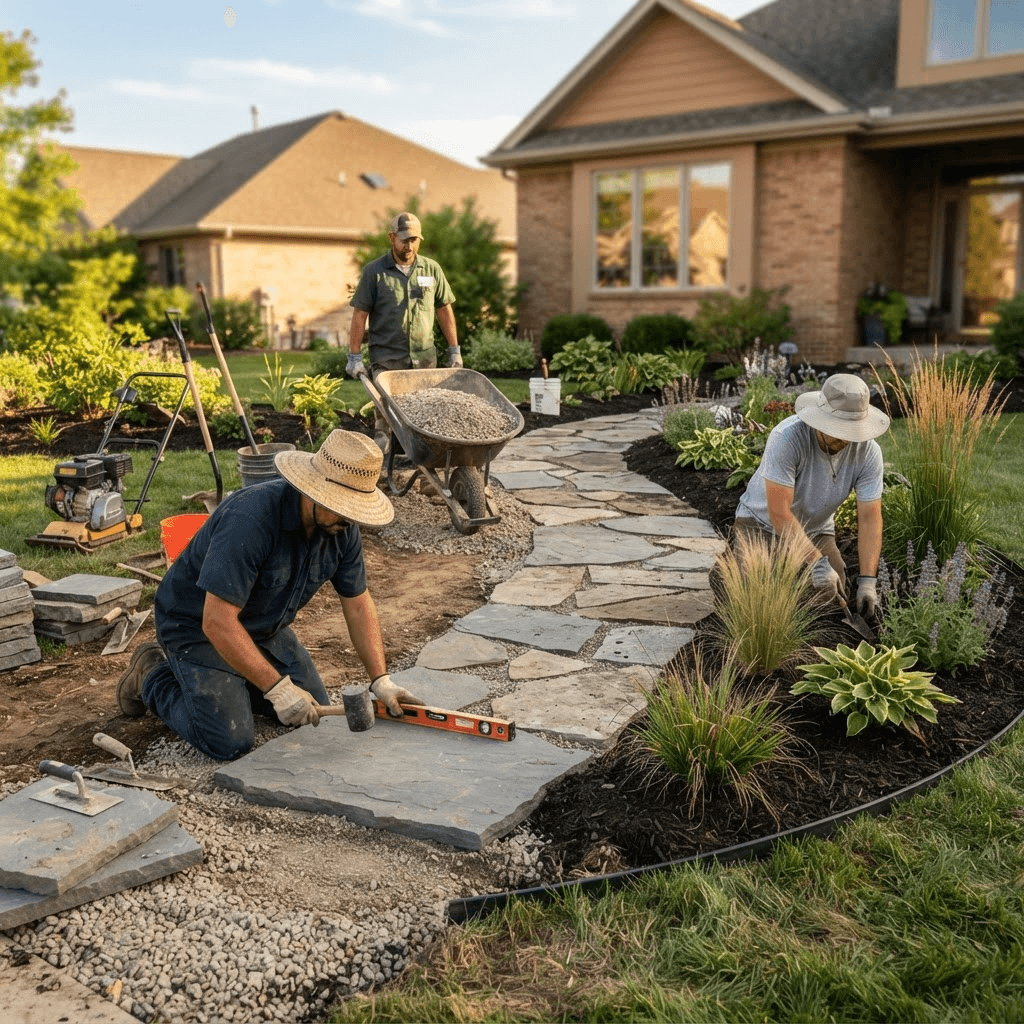
Whatever stone you choose, proper installation determines how well it performs. For gravel paths and patios, excavate to the right depth, install edging to contain the material, and lay a compacted base beneath the surface layer so it stays firm and level. Landscape fabric beneath decorative rock blocks weeds while still allowing drainage. Calculate quantities by area and depth so you order enough, since running short mid-project leads to mismatched batches. For heavy boulders, plan access and equipment in advance, as moving large stones by hand is difficult and risky. Thoughtful preparation makes stone features last for decades with minimal upkeep.
Stone is often paired with pavers, edging, and planting, all of which we cover in our hardscape material guides.
Frequently Asked Questions
What is the difference between gravel, rock, and boulders? They are size categories: gravel is small loose aggregate for paths and drainage, decorative rock is mid-sized stone for beds, and boulders are large single stones used as focal points, seating, or anchors.
What type of gravel is best for a walkway? Angular crushed stone or decomposed granite compacts into a firm, stable path, while smooth pea gravel is comfortable but shifts more. Contain any gravel path with edging and a compacted base for durability.
Is rock better than mulch for landscaping? Rock lasts indefinitely, suppresses weeds, and needs no replenishing, making it lower maintenance, but it radiates heat and does not enrich soil. Mulch improves soil and keeps roots cooler but must be topped up regularly.
How do I place landscaping boulders naturally? Bury a third or more of each boulder below grade so it appears to emerge from the ground, group them in odd numbers with varied sizes, and orient their grain consistently for the most natural, settled look.