Organic Fertilizer Explained: (10-10-10 Orchard-Specific Fertilizer)
Organic fertilizers feed the soil, not just the plant, and NPK numbers tell you what is inside. A guide to organic fertilizer and 10-10-10 for orchards.
Organic Fertilizer Explained: 10-10-10 and Orchard-Specific Feeding
Walk into any garden store and you'll face a wall of fertilizer bags covered in mysterious numbers like "10-10-10", plus a growing selection labeled "organic." For anyone growing fruit trees or tending a garden, understanding what organic fertilizer actually is, and what those numbers mean, is essential to feeding your plants properly. Let's demystify organic fertilizer and take a close look at the popular balanced 10-10-10 formula, especially as it relates to orchards and fruit trees.
What Is Organic Fertilizer?
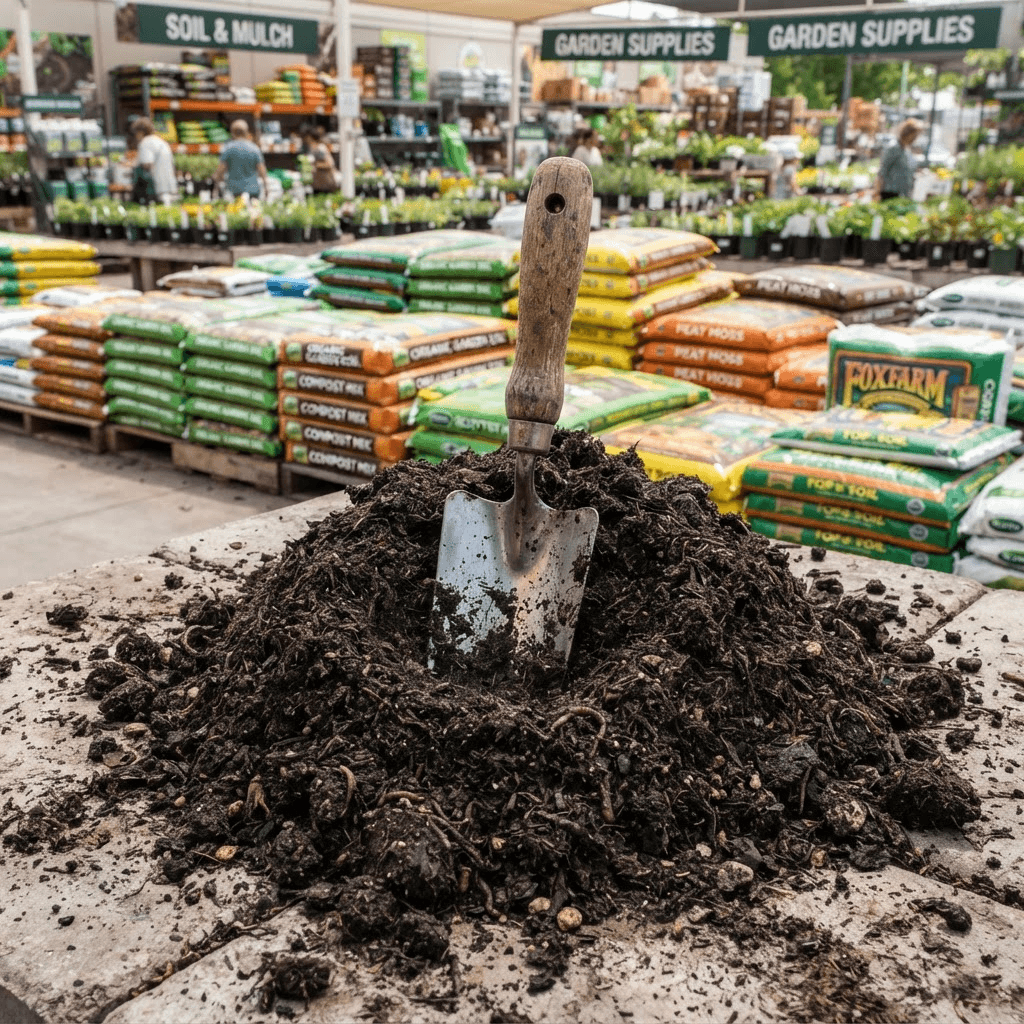
Organic fertilizer is fertilizer derived from natural, living or once-living sources, things like composted manure, bone meal, blood meal, fish emulsion, seaweed, feather meal, and plant materials, rather than synthetically manufactured chemicals. Its defining feature is that it feeds the soil, not just the plant.
Organic fertilizers release their nutrients slowly as soil microorganisms break them down, which nourishes crops gradually and steadily while also improving soil structure, boosting beneficial microbial life, and building long-term fertility. This makes them gentler, less likely to "burn" plants, more sustainable, and better for soil health over time, though they typically act more slowly than synthetic options.
What Does 10-10-10 Mean? Understanding NPK
To use any fertilizer well, you need to understand the three numbers on the label, the NPK ratio. These represent the percentages of the three primary plant nutrients: Nitrogen (N), Phosphorus (P), and Potassium (K), always in that order.
- Nitrogen drives leafy, green, vegetative growth.
- Phosphorus supports strong roots, flowering, and fruit development.
- Potassium promotes overall plant health, disease resistance, and fruit quality.
So a bag labeled 10-10-10 contains 10% nitrogen, 10% phosphorus, and 10% potassium, an equal, balanced blend of all three primary nutrients.
Why 10-10-10 Is a Popular Choice for Fruit Trees
That balance is exactly why 10-10-10 is so popular: it's a versatile, general-purpose "balanced" fertilizer that provides an even dose of the three key nutrients, making it a safe, simple choice when you want all-around feeding without diagnosing a specific deficiency.
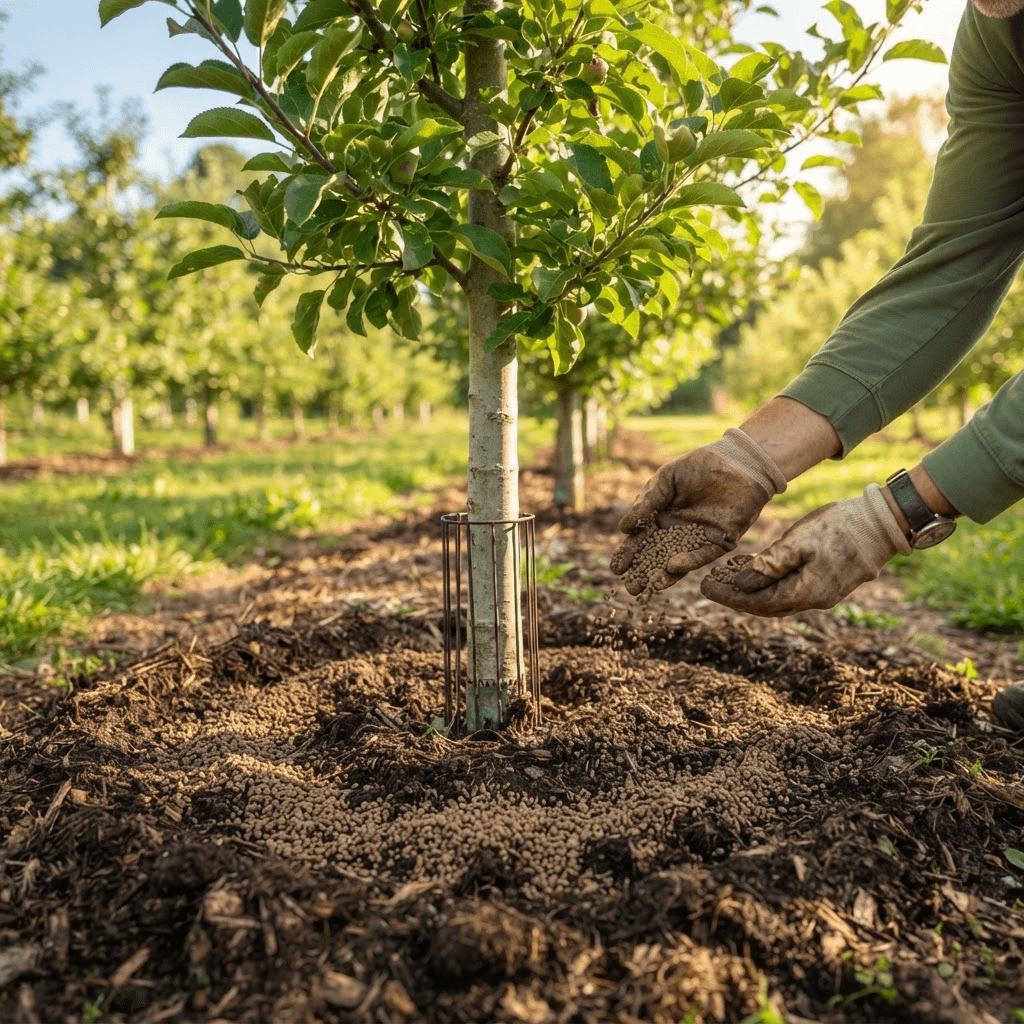
For fruit trees and orchards, a balanced fertilizer like 10-10-10 can be genuinely useful, particularly for young and establishing trees that need steady, well-rounded nutrition to build a strong framework of roots, branches, and foliage. It's an easy, forgiving option for orchardists who want reliable, balanced growth.
Note that a true certified-organic 10-10-10 is blended from natural ingredients to hit that even ratio, delivering the balance in a soil-friendly, slow-release form.
How Fruit Tree Fertilizer Needs Change as Trees Mature
That said, orchards have nuances worth knowing. Fruit trees' nutrient needs shift with their life stage and season:
- Young trees benefit from balanced feeding to grow.
- Mature, fruiting trees often need relatively less nitrogen and comparatively more potassium, and adequate phosphorus, to favor flowering and quality fruit over excessive leafy growth.
Too much nitrogen on a bearing fruit tree can produce lots of leaves but disappointing fruit, and can even make trees more disease-prone. This is why some orchardists shift from a balanced 10-10-10 on young trees toward formulas with a lower first number, less nitrogen, as trees mature, or use organic amendments like compost, bone meal (for phosphorus), and greensand or kelp (for potassium) to fine-tune.
How to Fertilize Your Orchard Effectively
For best results, use fertilizer as part of a thoughtful approach rather than guesswork:
- Get a soil test. It's the single most valuable step, telling you which nutrients your orchard actually needs, so you're not over- or under-applying.
- Apply at the right time, typically in early spring as growth begins, and avoid late-season nitrogen that spurs tender growth before winter.
- Spread it around the tree's drip line rather than against the trunk.
- Follow the product's rates, since even gentle organic fertilizers work best when used correctly.
The Bottom Line
Choose organic sources to build soil health over time, reach for a balanced 10-10-10 for easy all-around feeding, especially on younger trees, and adjust toward lower-nitrogen, potassium-rich options as your fruit trees mature, and you'll give your orchard exactly the nutrition it needs to grow strong and produce abundant, high-quality fruit.
If you want to pair feeding with the practices that build fertility on their own, our soil health and fertility guides cover composting and cover crops.
Frequently Asked Questions
What is organic fertilizer? Organic fertilizer is made from natural, once-living sources such as composted manure, bone meal, blood meal, fish emulsion, and seaweed rather than synthetic chemicals. It releases nutrients slowly as soil microbes break it down, feeding the soil and building long-term fertility.
What does 10-10-10 fertilizer mean? 10-10-10 is the NPK ratio: 10% nitrogen, 10% phosphorus, and 10% potassium by weight. It is a balanced, all-purpose blend that supplies the three primary plant nutrients in equal amounts, useful for general feeding when no single nutrient is lacking.
Is 10-10-10 good for fruit trees and orchards? A balanced 10-10-10 works well for young and establishing fruit trees that need steady, even growth. Mature, fruiting orchards often do better with a formula higher in potassium and phosphorus relative to nitrogen to favor flowering and fruit over excess leafy growth.
Is organic fertilizer better than synthetic? Organic fertilizers are gentler, less likely to burn plants, and improve soil health over time, but act more slowly. Synthetic fertilizers deliver fast, precise nutrients. Many orchardists use organics to build soil and targeted feeding when a quick correction is needed.