Seed Cover Explained: What Are the Best Cover Crop Seeds?
Cover crops protect and rebuild soil between cash crops. A guide to what cover crops are, why they matter, and the best seeds for the job.
Seed Cover Explained: What Are the Best Cover Crop Seeds?
Some of the most valuable crops a farmer or gardener grows are never harvested for sale, they're grown to feed and protect the soil itself. These are cover crops, plants sown not for market but to cover and improve the ground between main growing seasons. Understanding what cover crops are, the benefits they provide, and which seeds work best for different goals is one of the smartest steps you can take toward healthier soil, higher yields, and a more sustainable operation.
What Is a Cover Crop?
A cover crop is any plant grown primarily to benefit the soil and the overall growing system rather than for direct harvest. Instead of leaving a field bare after a cash crop, or before planting one, you plant a cover crop to blanket the ground. This living cover does a remarkable amount of work: it protects the soil surface, feeds soil life, and prepares the ground for the next productive crop.
Cover cropping is a cornerstone of regenerative and sustainable agriculture, and it's just as valuable in a backyard garden as on a large farm. Whether you're managing hundreds of acres or a single raised bed, the underlying logic is the same: bare soil is a missed opportunity, and a living cover turns that idle time into productive soil-building. Even a small backyard plot benefits from a fall or winter cover crop rather than sitting exposed to rain and wind for months.
The Benefits of Cover Crops
The benefits of cover crops are numerous and interlocking, which is part of why they've become such a central practice in modern soil management:
- Prevent erosion by shielding bare soil from wind and rain and holding it in place with their roots.
- Suppress weeds by outcompeting them for light and space.
- Improve soil structure, since roots create channels that boost aeration and water infiltration.
- Add organic matter and nutrients when the crop is eventually cut down or tilled in, a practice known as "green manure."
- Increase soil fertility, with certain types adding nutrients dramatically.
- Support beneficial insects and soil microbes, retain moisture, and can even break pest and disease cycles.
All of this sets up your cash crops for success, often reducing the fertilizer, irrigation, and pest management inputs those crops need later. Over several seasons, consistent cover cropping can measurably raise organic matter levels, which in turn improves how well your soil holds both water and nutrients during dry spells.
The Best Cover Crop Seeds by Category
The best cover crop seeds fall into a few key categories based on what they do. Matching the category to your goal is the whole game.
Legumes: Best for Adding Nitrogen
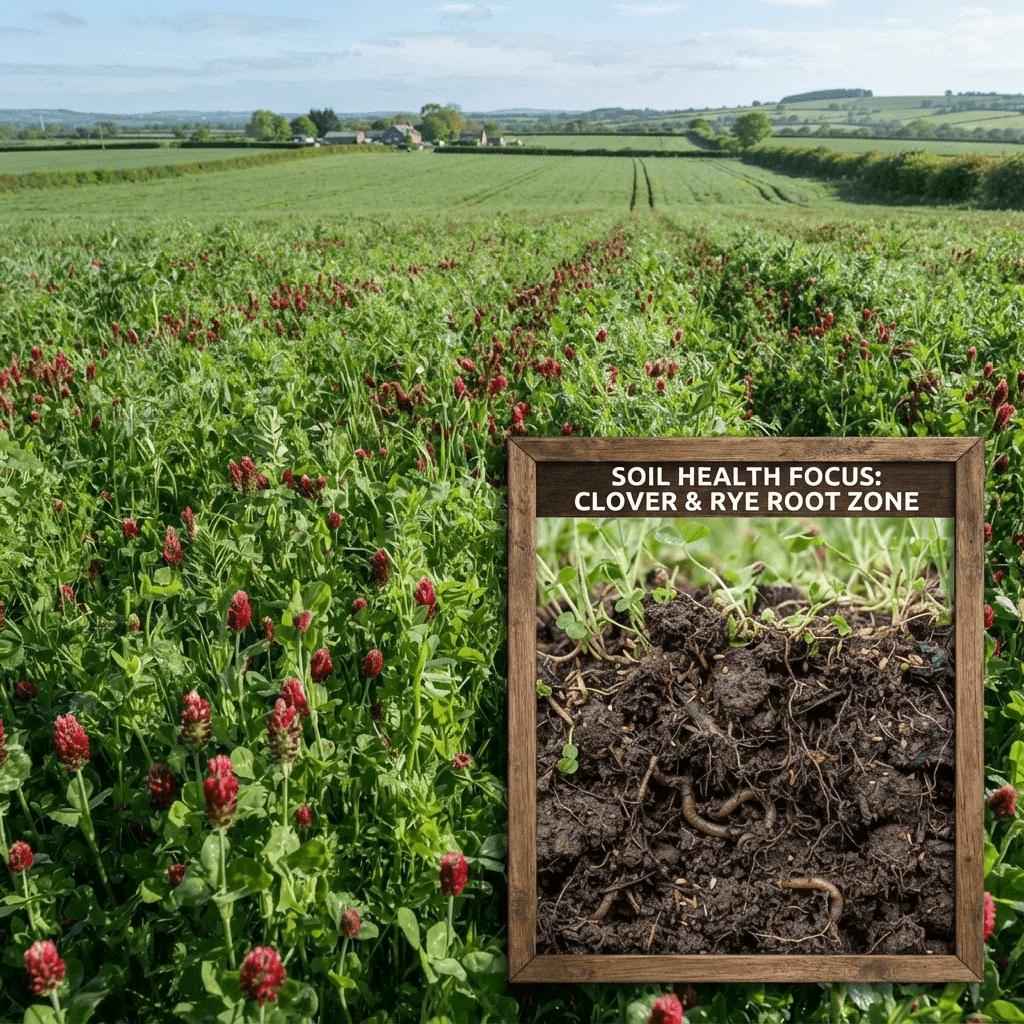
Legumes, like clovers (crimson, red, white), field peas, vetch, and beans, are prized because they fix nitrogen from the air into the soil, naturally fertilizing it for the next crop and reducing your need for synthetic nitrogen. This makes legumes ideal when your main goal is boosting soil fertility, especially ahead of nitrogen-hungry crops like corn or leafy greens.
Grasses and Cereals: Best for Organic Matter and Erosion Control
Grasses and cereals make up another major group and excel at building organic matter and protecting soil:
- Cereal rye is one of the most popular and reliable choices, extremely hardy, cold-tolerant, fast to establish, and excellent at suppressing weeds and preventing erosion, making it a great pick for overwintering.
- Oats grow quickly and are easy to manage. They often winterkill in cold climates, leaving an easy-to-plant residue behind come spring.
- Annual ryegrass and winter wheat are also widely used for their strong root systems and soil-building power.
Brassicas: Best for Breaking Up Compacted Soil
Brassicas, such as tillage radish (daikon), turnips, and mustard, are a third group whose deep taproots break up compacted soil, scavenge nutrients from deep down, and can help suppress certain soil pests. These deep-rooted species are especially useful on ground that's been compacted by heavy equipment or years of shallow-rooted crops.
How to Choose the Right Cover Crop Seed
Choosing the best cover crop seed comes down to your specific goals, climate, and timing:
- Want to add nitrogen? Choose a legume.
- Want to build organic matter and suppress weeds over winter? Cereal rye is hard to beat.
- Want to break up compacted soil? Reach for tillage radish.
Many experienced growers plant a mix of cover crop species, combining a legume, a grass, and a brassica, to capture multiple benefits at once, since the different plants complement each other beautifully: the legume feeds nitrogen to the grass, the grass holds the soil and adds bulk organic matter, and the brassica opens up channels for both to root deeper.
Consider your planting window, after harvest, before your main crop, or during a fallow period, and your local growing conditions, then match your seed accordingly. A cover crop planted too late in fall may not establish enough growth before frost, while one planted too early can compete with a still-maturing cash crop.
Our crop selection planner scores nitrogen fixers and organic-matter builders against your soil, so you can see which cover crops do the most for your ground.
When and How to Plant Cover Crop Seed
Timing and technique matter almost as much as species selection. Most cover crops are seeded either right after a cash crop is harvested, giving the cover crop the rest of the season or the winter to establish, or interseeded into a standing crop shortly before harvest, which gets the cover crop a head start. Seeding rate matters too: too sparse and weeds fill the gaps instead of your cover crop, too dense and you waste seed without added benefit, so following recommended rates for your specific species and region pays off.
Termination, killing or knocking down the cover crop before your next planting, is the other half of the process. Options include mowing, crimping (rolling the crop flat so it forms a weed-suppressing mat), tilling it into the soil, or simply letting a winterkill species like oats die back naturally in cold weather. The right termination method depends on your equipment, your timeline, and whether you want the residue left on the surface as mulch or worked into the soil as green manure.
Common Cover Cropping Mistakes to Avoid
A few missteps account for most disappointing cover crop results. Planting a single species when your soil actually needs multiple benefits, nitrogen and compaction relief, for example, is one of the most common; a simple mix often solves this without much added cost. Skipping a soil test before choosing a species means you're guessing at what your ground actually needs rather than targeting it directly. Terminating a cover crop too late, after it's gone to seed, can turn a helpful cover crop into next season's weed problem. And underestimating seeding rate, or broadcasting seed onto poorly prepared ground, often leads to a thin, patchy stand that doesn't deliver the erosion control or weed suppression you were counting on.
The Bottom Line
Whatever you choose, cover cropping is one of the most rewarding, low-cost investments you can make: you're literally planting the foundation of healthier, more productive soil for seasons to come. Start with your biggest soil challenge, whether that's fertility, erosion, weeds, or compaction, pick the seed category built to solve it, and let the next season's results speak for themselves.
If soil is your starting point, our cover cropping and soil building articles go further on rotations and termination timing.