Is Soil a Renewable Resource? Why Soil Is Important
We treat soil as endlessly available, but it forms far slower than we use it. A look at whether soil is renewable and why healthy soil matters so much.
Is Soil a Renewable Resource? Why Soil Is Important
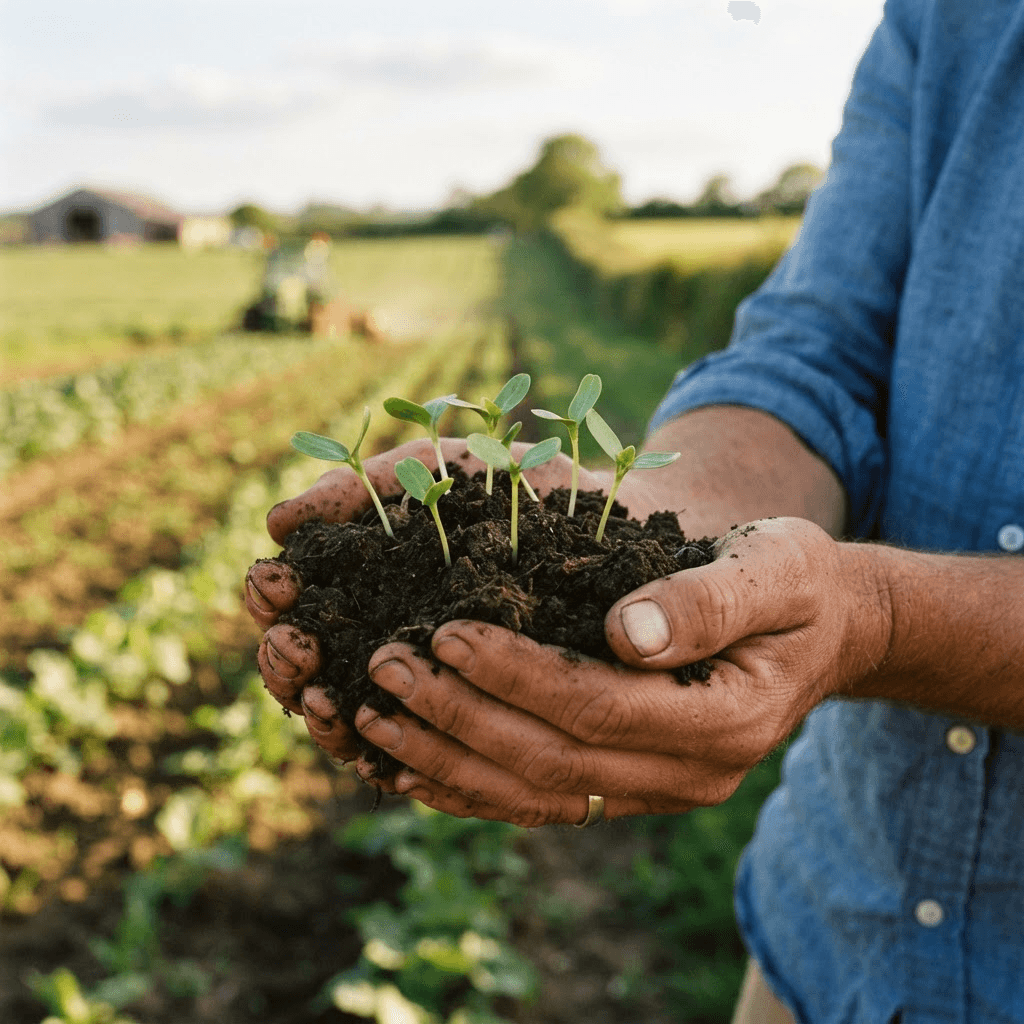
We tend to treat soil as an endless, take-it-for-granted resource, it's just dirt, after all, and it's everywhere. But that casual view hides a sobering truth: soil forms far more slowly than we deplete it, which puts it in a strange category between renewable and non-renewable. Understanding whether soil is truly renewable, and why healthy soil is so vital, is one of the most important ideas in agriculture and environmental stewardship.
Is Soil Renewable?
So, is soil renewable? The most accurate answer is that soil is technically renewable but on such a slow timescale that, for practical human purposes, it behaves like a non-renewable resource. Soil does regenerate naturally, but it can take hundreds to thousands of years to form just an inch of fertile topsoil.
Because we can erode or degrade that same inch in a single season of poor management, soil is often described as a "semi-renewable" or effectively finite resource. It renews too slowly to simply replace what careless use destroys. In practical terms, this means the topsoil under a given field today is, in a meaningful sense, a one-time inheritance rather than a resource that will simply replenish itself on any timescale that matters to a farmer, a community, or even several generations.
How Soil Actually Forms
To see why it forms so slowly, it helps to know how soil is made. Soil develops through weathering, the gradual physical and chemical breakdown of parent rock into mineral particles, combined with the slow accumulation of organic matter from decomposing plants, animals, and countless microorganisms.
Over long stretches of time, these mineral and organic components mix with water, air, fungi, bacteria, worms, and insects to build the complex, living structure we call fertile topsoil. This is a painstakingly slow, biologically driven process, which is exactly why lost soil can't be quickly remanufactured.
Several factors influence how quickly, or slowly, this process unfolds in a given place:
- Climate: warmer, wetter conditions generally speed up weathering and organic decomposition, while cold or arid climates slow soil formation dramatically.
- Parent material: the type of underlying rock determines what minerals are available and how easily they break down.
- Topography: steep slopes tend to lose soil to erosion faster than it can form, while flatter areas allow soil to accumulate.
- Living organisms: from microscopic bacteria to earthworms, biological activity is what transforms broken-down rock and organic debris into structured, fertile soil rather than simply loose sediment.
- Time: above all, soil formation is measured in centuries and millennia, not years, which is the core reason it can't keep pace with rapid human use.
Why Soil Is So Important for Food
Soil matters enormously because it underpins nearly all life on land, starting with food. The vast majority of the food we eat depends on soil, either directly for growing crops or indirectly for the pastures and feed that support livestock.
Fertile topsoil provides the nutrients, water retention, and physical anchoring that plants need to grow, so the health and depth of our soil directly determines our ability to feed a growing global population. Degraded or eroded soil means lower yields, more fertilizer dependence, and greater food insecurity, since farmers are forced to substitute expensive external inputs for the natural fertility that healthy soil would otherwise provide for free.
Soil's Role in Water and Climate
Beyond food, soil performs quiet but critical environmental services:
- Water filtration and storage: soil filters and stores water, recharging groundwater and reducing flooding.
- Carbon storage: soil acts as one of the planet's largest carbon sinks, storing more carbon than the atmosphere and vegetation combined, which makes soil health a major factor in climate regulation.
- Biodiversity: soil teems with life, a single handful can contain billions of organisms, and this underground ecosystem cycles nutrients, breaks down waste, and supports the plants that in turn support everything above ground.
Healthy soil is, in a real sense, the foundation of a healthy planet, quietly performing services that most people never see or think about until they're disrupted.
How Fast Are We Losing Soil?
The threat is that we're losing this slow-to-form resource alarmingly fast. Erosion from wind and water, intensive tillage, deforestation, overgrazing, and chemical-heavy practices strip and degrade topsoil far quicker than nature rebuilds it, and once it's gone, it's effectively gone for generations.
This mismatch in timescales is the central problem: soil that took a thousand years to form can be stripped away by a handful of severe erosion events, and no amount of subsequent good management brings it back on any timeframe relevant to the people managing that land today. This is why land that has lost its topsoil often takes on a permanently reduced capacity to produce food, even after erosion-causing practices are stopped.
How Soil Conservation Protects This Resource
That's why soil conservation matters so much. A number of practices protect and even rebuild soil health over time:
- Cover cropping: keeping the ground planted between main growing seasons protects soil from erosion and adds organic matter.
- Reduced or no-till farming: minimizing soil disturbance preserves soil structure and the organisms living within it.
- Crop rotation: alternating crops prevents the depletion of specific nutrients and disrupts pest and disease cycles.
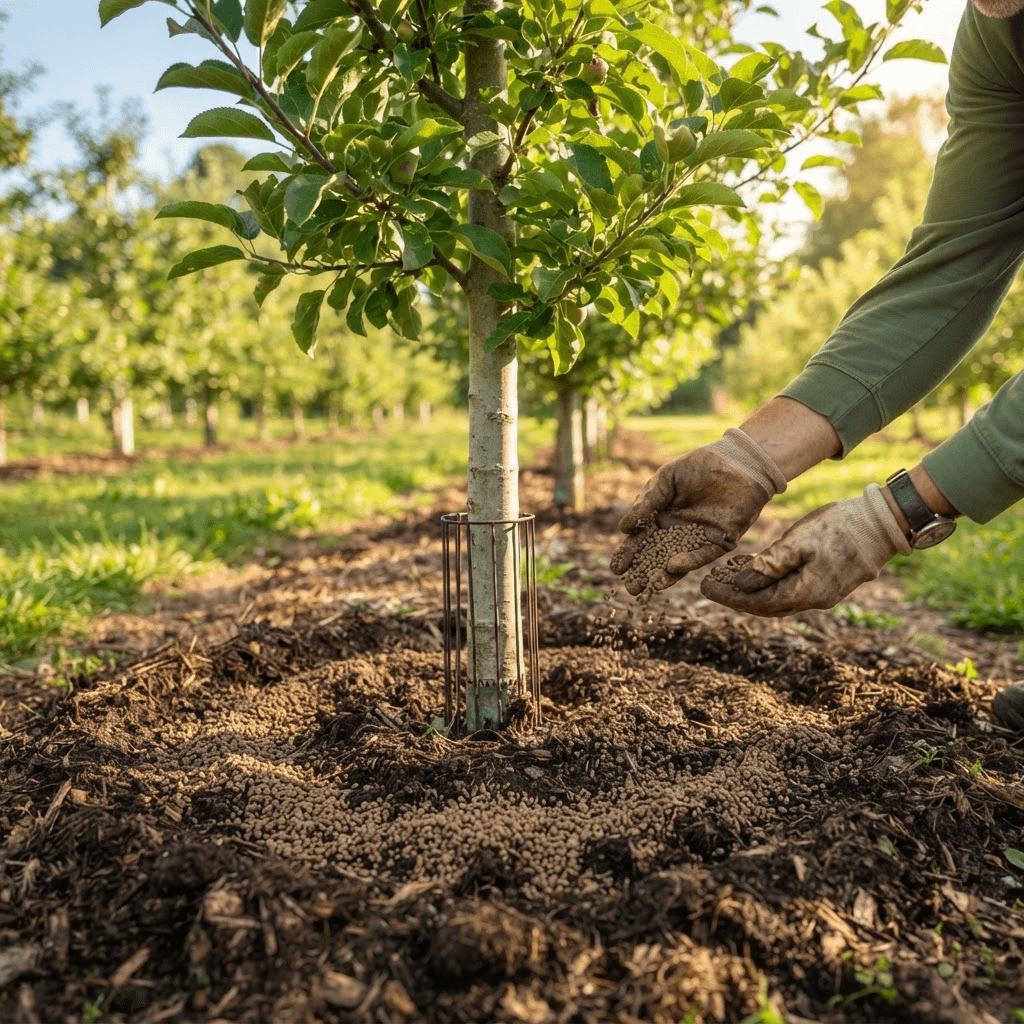
- Composting: returning organic matter to the soil rebuilds fertility and improves structure.
- Contour planting: farming along the natural contours of sloped land slows water runoff and reduces erosion.
- Maintaining ground cover: keeping soil covered, whether by crops, mulch, or vegetation, protects it from wind and water erosion year-round.
None of these practices are new or exotic, many are centuries old, but their consistent, widespread application is what determines whether a region's soil is being protected or quietly depleted.
Each of these practices has its own trade-offs, laid out in our soil conservation reading.
Frequently Asked Questions About Soil and Sustainability
How long does it take to form one inch of topsoil? Estimates vary by climate and conditions, but forming just one inch of fertile topsoil commonly takes several hundred to over a thousand years under natural conditions. This is the central reason soil is treated as effectively non-renewable on a human timescale.
Can lost soil be replaced with fertilizer? Not really. Fertilizer can replace some of the specific nutrients depleted from soil, but it can't rebuild lost soil structure, organic matter, or the living microbial communities that make soil genuinely fertile rather than just a growing medium propped up by chemical inputs.
What is the biggest cause of soil loss? Erosion from wind and water is generally the most significant direct cause, often accelerated by practices like intensive tillage, overgrazing, and deforestation that leave soil bare and unprotected against the elements.
Is soil erosion reversible? Soil erosion itself, the physical loss of topsoil, is not meaningfully reversible on any practical timescale once it has occurred. However, degradation short of outright erosion, such as declining organic matter or compaction, can often be improved through sustained conservation practices over years.
Soil Loss Is a Global, Not Just Local, Problem
Soil degradation isn't confined to any one region or farming system. It shows up wherever land is managed without regard for long-term soil health: in intensively farmed agricultural regions, in areas cleared of forest for grazing or cropland, and in dryland regions where overgrazing strips away the vegetation that would otherwise hold soil in place. Because soil loss is often gradual, a little erosion here, a little compaction there, it tends to escape the kind of attention given to more visible environmental problems, even though its cumulative effect on long-term food production is enormous.
This slow, cumulative nature is part of what makes soil loss so easy to underestimate. A field can lose a meaningful fraction of its topsoil over a few decades of poor management without any single year looking alarming, until yields begin declining and farmers find themselves needing more fertilizer just to maintain the production they used to get for less. By the time the problem is obvious, the underlying soil damage has often been accumulating for a generation.
What Home Gardeners Can Do to Protect Soil
Soil stewardship isn't only a concern for large-scale agriculture. Home gardeners and small-scale growers can apply many of the same principles on a smaller footprint:
- Avoid leaving garden beds bare between growing seasons; a cover crop or even a layer of mulch protects soil the same way it does on a farm.
- Minimize digging and tilling where possible, since disturbing soil structure less preserves the organisms and structure that make it fertile.
- Compost kitchen and yard waste and work it back into your beds, rebuilding organic matter directly rather than relying solely on purchased fertilizer.
- Rotate what you plant in each bed or container from season to season, rather than growing the same crop in the same spot indefinitely.
- Test your soil periodically rather than guessing at what it needs, so amendments address actual deficiencies instead of being applied blindly.
These practices won't reverse large-scale soil loss on their own, but they demonstrate the same underlying principle that applies at every scale: soil rewards protection and steady care, and punishes neglect, regardless of whether you're managing a thousand acres or a single raised bed.
The Bottom Line
The takeaway is simple but urgent: treat soil not as limitless dirt but as the precious, effectively finite, life-sustaining resource it truly is, and manage it so it keeps feeding and protecting us far into the future.