Top 10 Environmental Science Jobs (Nature Conservatory)
Ten environmental science careers, from field technician and conservation land manager to soil scientist and restoration ecologist, and what each one requires.
Top 10 Environmental Science Jobs (Nature Conservatory)
Environmental science is a broad field that runs from muddy-boots fieldwork to laboratory analysis to policy. Some roles need only a two-year degree and a willingness to work outside; others require graduate research. What they share is a focus on measuring and managing natural systems — soil, water, habitat, and the species that depend on them.
Here are ten roles worth knowing about, roughly ordered from most accessible to most specialized.
1. Environmental field technician
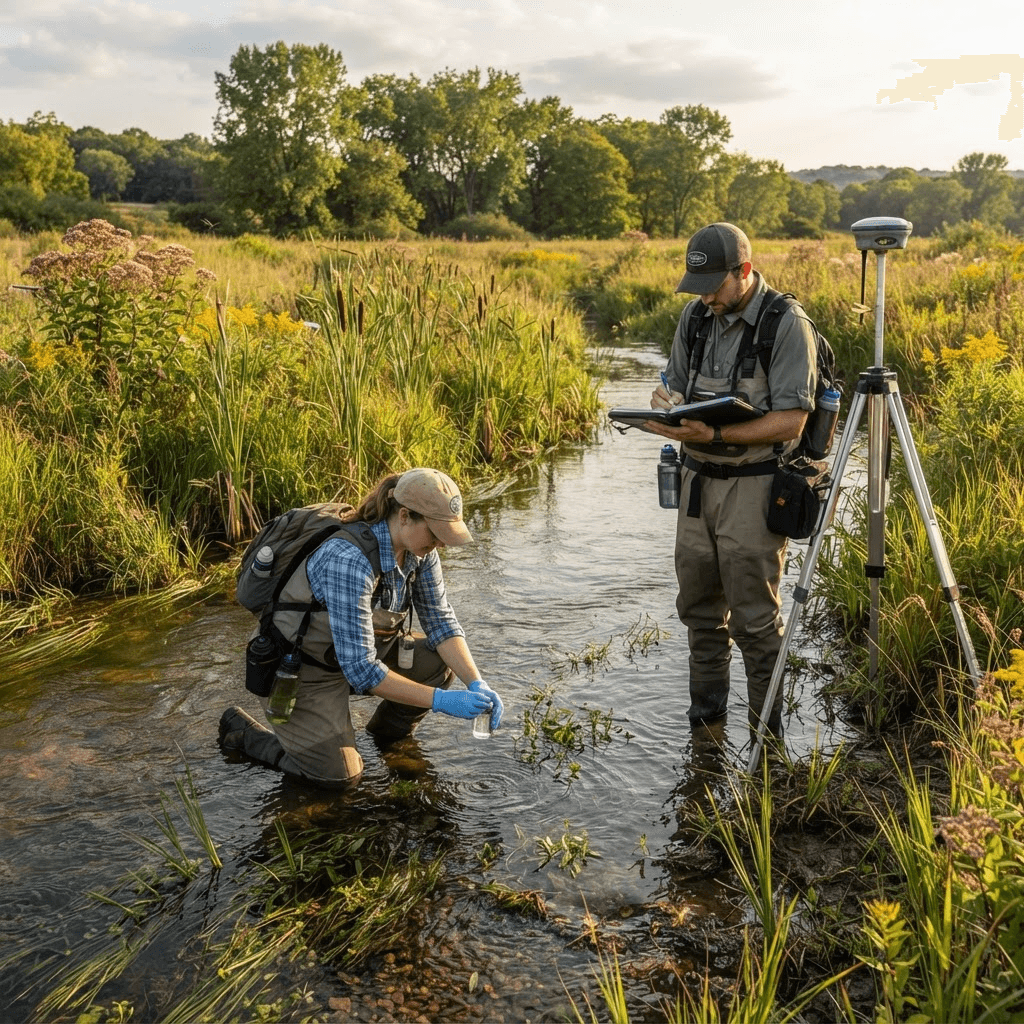
The workhorse entry role. You collect samples, run field instruments, record data, and maintain equipment for a consulting firm, agency, or research group. Water sampling, air monitoring, soil borings, and wetland delineation support all fall here.
An associate degree or a bachelor's in any natural science usually suffices. It is the best first job in the field because it exposes you to many project types quickly.
2. Conservation land steward
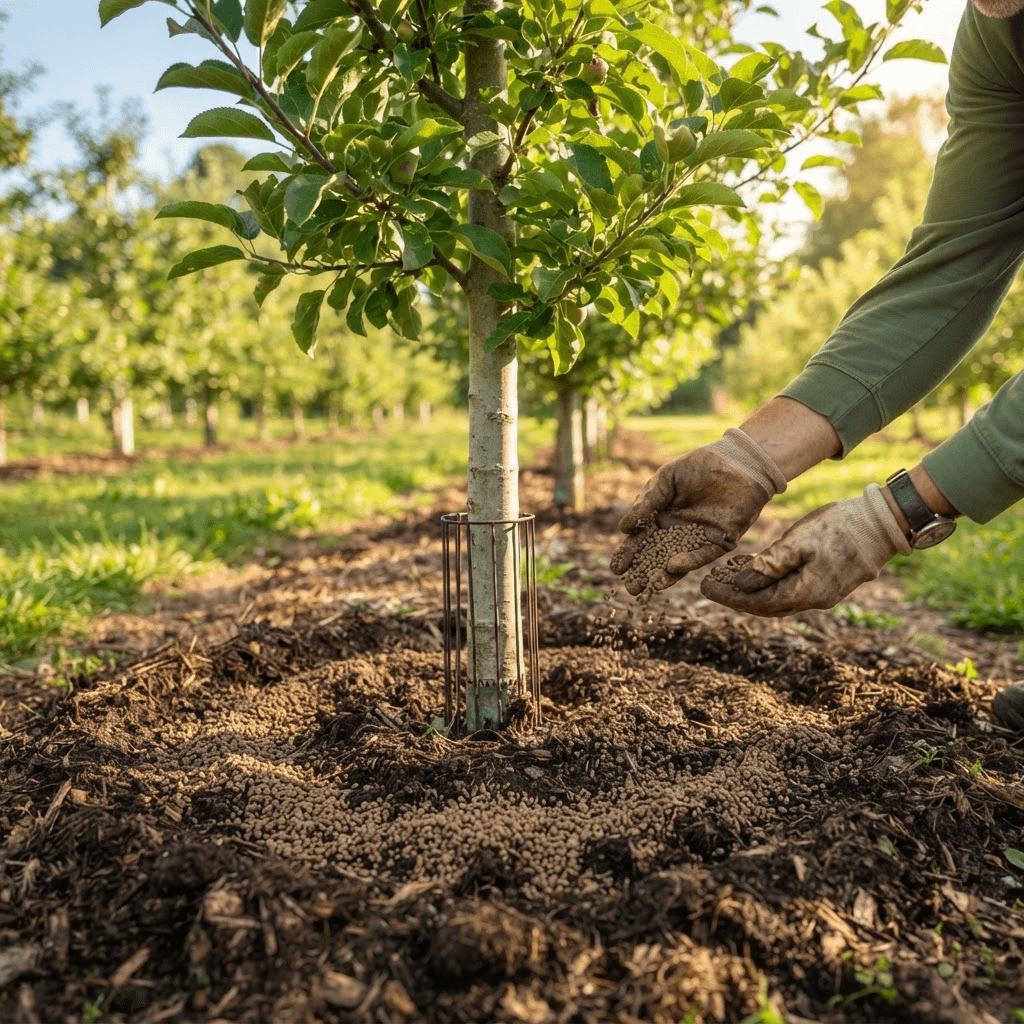
Conservancies and land trusts hire stewards to manage preserves: controlling invasive species, maintaining trails and fencing, conducting prescribed burns, and monitoring habitat condition. It is physical, seasonal, and deeply hands-on.
Prescribed fire qualification is the credential that most changes your value here, because burn crews are chronically short-staffed.
3. Restoration ecologist or technician
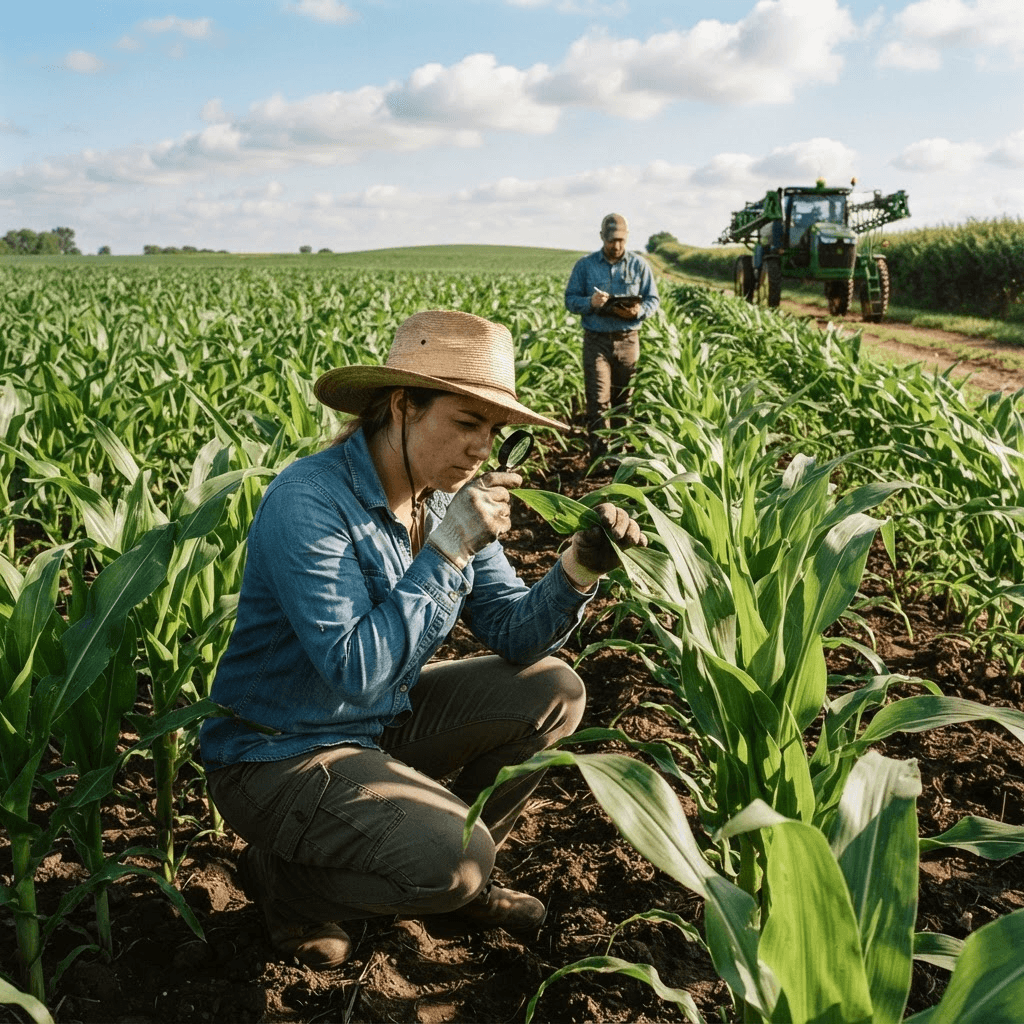
Restoration takes degraded land — a drained wetland, an eroded streambank, a retired farm field — and rebuilds function. Technicians do planting, seeding, grading, and monitoring; ecologists design the plan and evaluate whether it worked.
Practical plant identification matters enormously, and the work overlaps with landscaping more than people expect. Understanding why native and evergreen plantings behave differently is genuinely applicable.
4. Soil scientist
Soil scientists classify and map soils, assess contamination, and advise on erosion and fertility. Agriculture, construction, and conservation all depend on this work, and it is one of the more secure specialties because soil is effectively non-renewable on human timescales.
Expect a bachelor's minimum, with professional certification available and valued.
5. Water resources specialist or hydrologist
You study how water moves and is used — stream gauging, groundwater modeling, watershed planning, water rights. Agencies, utilities, and consultancies all hire in this space, and demand rises anywhere water is contested.
The agricultural side of this work connects directly to irrigation system design and efficiency, which is where much of the practical water savings actually happens.
6. Wildlife or fisheries biologist
Population surveys, habitat assessment, tagging, and management planning. Field seasons are intense and often remote, and entry commonly begins with a string of seasonal technician positions before a permanent role appears.
Competition is real. Volunteer field seasons and banding or telemetry experience are what separate candidates.
7. Environmental compliance specialist
Every industrial site, farm, and construction project operates under permits. Compliance specialists track requirements, prepare reports, run inspections, and keep the operator out of trouble. Less romantic than fieldwork, notably better paid, and far more stable.
Strong writing ability matters more here than in any other role on this list.
8. GIS analyst and remote sensing specialist
Mapping and spatial analysis underpin modern environmental work. Analysts build habitat models, track land-cover change, and process aerial and satellite imagery. The skill set is increasingly shared with agriculture, where UAV and drone survey work has become routine.
This is the most transferable technical skill in the field, and it can be self-taught to a hireable level.
9. Sustainable agriculture specialist
These roles sit between agronomy and conservation: advising growers on cover cropping, nutrient management, soil health, and conservation program enrollment. Extension services, conservation districts, and nonprofits all hire for it.
Knowing the practical side matters — cover crop selection and the innovations reshaping sustainable farming are the substance of the job.
10. Environmental scientist or project manager
The senior consulting track. You scope projects, manage budgets and staff, interpret regulation, and sign off on findings. Usually reached after five to ten years of field and analytical work, sometimes with a master's degree.
This is where the field's pay ceiling sits, and it rewards people who can translate technical results for clients and regulators.
How to get started
- Take the seasonal job. Field seasons are the standard entry currency in conservation, and a summer as a technician opens doors a degree alone will not.
- Learn GIS. It is the highest-leverage self-taught skill in the entire field.
- Get certified where it is cheap. Wilderness first aid, prescribed fire, herbicide applicator, and boating or ATV safety all appear in job postings.
- Volunteer with a land trust. Small conservancies hire the people already showing up on workdays.
- Follow the water. Watershed groups and irrigation districts hire steadily and get overlooked by graduates chasing wildlife roles.
The common thread is that this field rewards demonstrated field time over credentials. Almost nobody starts in the role they want — they start with a field season and work sideways into it.