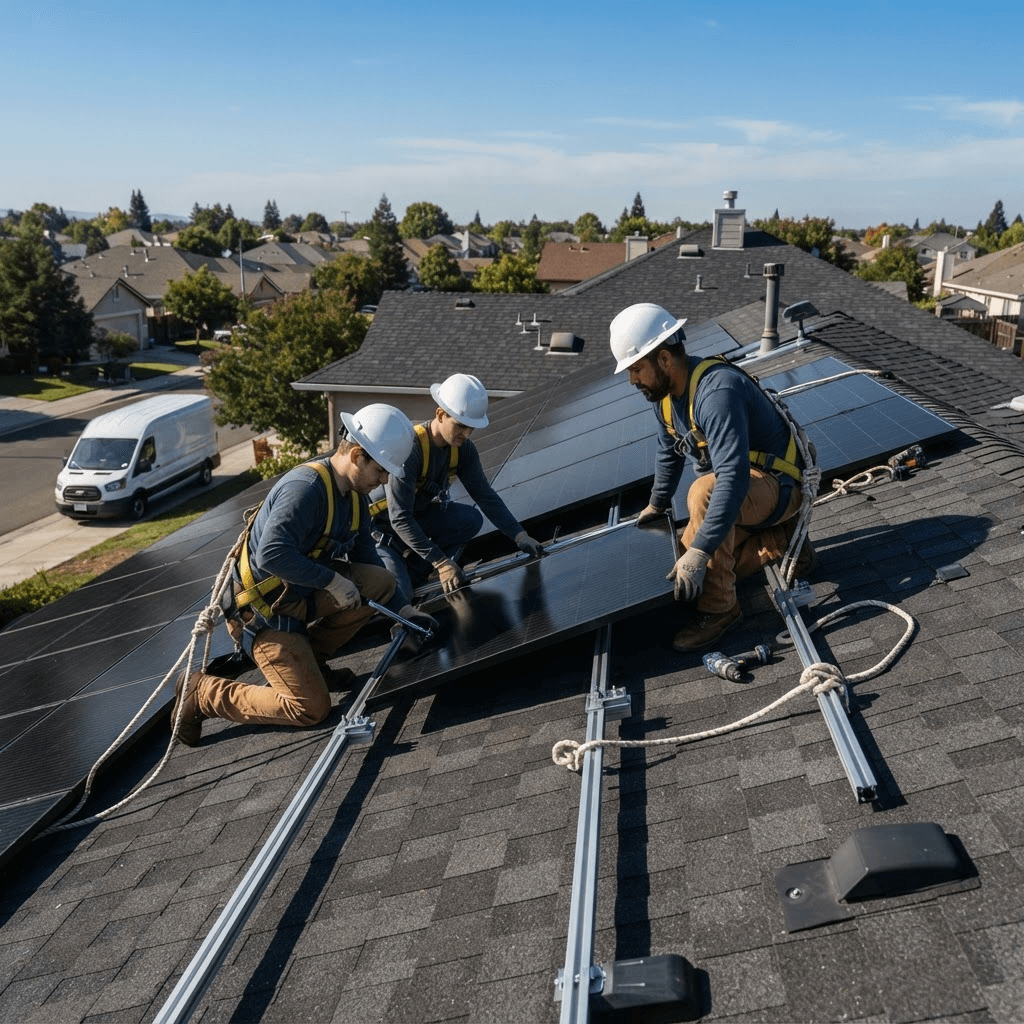
Solar Pool Heating: How to get Hot Water from Solar Power
Learn how solar pool heating works, what a system costs, and why it's one of the fastest-payback solar upgrades for homeowners with a pool.
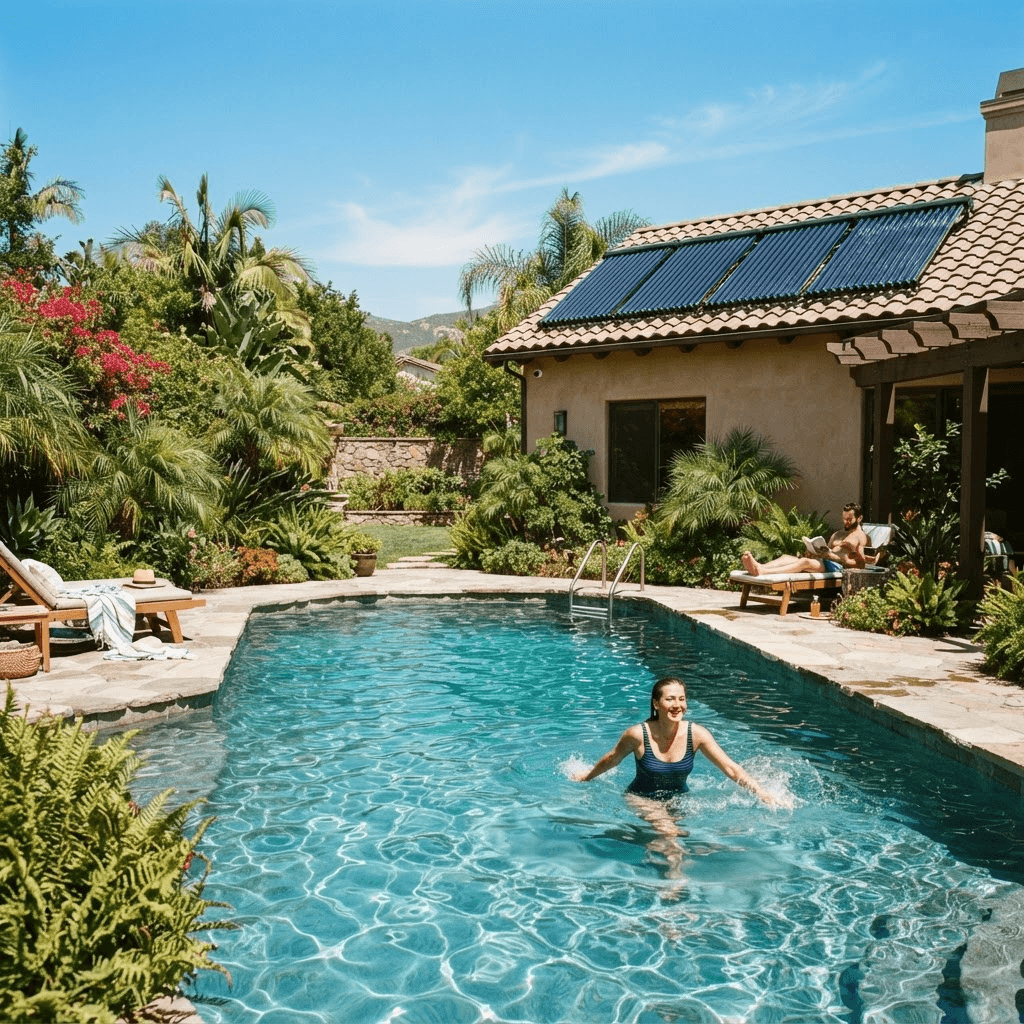
Solar Pool Heating: How to Get Hot Water from Solar Power
Of all the ways to put the sun to work around a home, heating a swimming pool is one of the most satisfying, and one of the most economical. Pool heating is a big, steady energy demand, and it happens to peak in exactly the sunny months when solar is most abundant. That alignment makes solar pool heating one of the fastest-paying solar investments a homeowner can make, often recouping its cost in just a few years.
How Does Solar Pool Heating Work?
The core idea is refreshingly simple. Instead of converting sunlight into electricity, a solar pool heating system uses the sun's heat directly. Your pool's existing pump pushes water through solar collectors, usually mounted on a nearby roof, where the sun warms it, and the heated water flows back into the pool. There's no combustion, no expensive fuel, just the pump you already run circulating water through the sunshine.
The 4 Parts of a Solar Pool Heating System
A basic system has four parts working together:
- Solar collectors – the panels that capture heat, typically dark tubing or mats that absorb sunlight
- Filter – removes debris before water enters the collectors
- Pump – circulates the water, often the pool's existing pump
- Flow control valve – sometimes automatic, diverts water through the collectors when heating is useful and bypasses them when it isn't
Glazed vs. Unglazed Solar Collectors
The collectors themselves come in a couple of common forms.
Unglazed collectors are simple, durable rubber or plastic mats without a glass cover, ideal for warm climates and seasonal pools because they're inexpensive and effective when it's already fairly mild.
Glazed collectors add a glass covering and are more efficient in cooler weather, making them better for extending the season or heating in colder regions, though they cost more.
The Solar Heating Cycle, Step by Step
Here's the cycle in motion. When the water in the collectors would be warmer than the pool, the control valve routes pool water up through them; the sun heats it as it passes, and gravity and the pump return it, gradually raising the pool temperature over the day. When solar heat isn't available, or when the pool is already warm enough, the valve simply bypasses the collectors so the water keeps circulating and filtering as normal.
How to Size a Solar Pool Heating System
Sizing the system is mostly about surface area. As a rule of thumb, the collector area should equal roughly 50 to 100 percent of the pool's surface area, more in cooler climates or where you want a longer season, less in consistently warm ones. A south-facing roof with good sun exposure is ideal, and your installer will factor in your climate, desired temperature, and how many months you want to swim.
Solar Pool Heating Cost and Payback Period
The economics are what make solar pool heating shine. Because it displaces the single largest energy cost for many pool owners, running a gas or electric heater, it delivers large savings relative to a modest upfront cost. Systems commonly pay for themselves in two to five years, faster than most other solar upgrades, and then provide essentially free heating for the 15 to 20 year life of the collectors.
Other Benefits of Solar Pool Heating
There are practical benefits beyond the dollars. A solar-heated pool typically gains several degrees and extends the comfortable swimming season by weeks or months on each end. The systems are simple, with few moving parts beyond the pump you already own, so maintenance is minimal. And pairing the system with a pool cover dramatically boosts performance, since covers trap heat and cut evaporation, which is the biggest source of pool heat loss.
What Solar Pool Heating Can't Do
It's worth being clear about what solar pool heating is and isn't. It's a heat system, not an electric one, so it won't power your home or charge a battery, and it works best as a way to warm large volumes of water gently over the day rather than deliver instant high heat on demand. In very cold or cloudy conditions it may need a backup heater, and it depends on having suitable, sun-exposed space for the collectors.
Is Solar Pool Heating Worth It?
If you have a pool and decent sun, solar heating is close to a no-brainer. Add up what you currently spend heating the water, look at your available roof or ground space, and get a quote from an installer who can size the collectors to your climate and goals. Few solar investments pay back as quickly or as pleasantly, every extra week of warm, sun-heated swimming is the return on investment you can actually feel.
Why Solar Pool Heating Pays Back So Fast
Pool heating is one of the largest discretionary energy loads a home can have, and conventional gas or electric heaters run up steep bills every month the pool is in use. A solar pool heating system uses your existing pump and free sunlight, so its only real cost is the upfront hardware. Because it displaces such an expensive load during exactly the sunny months when it works best, many systems pay for themselves in two to four years, faster than almost any other solar investment.
Sizing a Solar Pool Heating System
A good rule of thumb is that the collector area should equal roughly 50 to 100 percent of the pool's surface area, with the larger end for cooler climates or longer swimming seasons. Orientation matters too: collectors facing the equator at a tilt suited to your latitude capture the most heat. An installer or a careful DIY calculation weighs your pool size, desired temperature, local climate, and available roof space to arrive at the right collector area.
Extending Your Swimming Season
One of the biggest practical benefits is a longer swimming season. In many regions, solar heating can add weeks or even months to the usable pool season by taking the chill off spring and fall water. Pairing the system with a pool cover multiplies the effect, since covers dramatically reduce overnight heat loss and evaporation, letting the solar collectors build on warmth rather than replacing it each day.
Maintenance and Longevity
Solar pool heating systems are refreshingly low maintenance. With no combustion and few moving parts beyond the pump you already run, they typically last 10 to 20 years. Occasional checks of the collectors, valves, and connections are usually all that is needed. In freezing climates, the system should be drained for winter to prevent damage to the collectors.
Pool heating is one of several ways to put sunlight to work, and our solar technology guides cover the rest.
Frequently Asked Questions
How much does solar pool heating cost? Systems generally run a few thousand dollars installed, depending on pool size and collector area, and often pay for themselves within two to four years through avoided heating costs.
How warm will my pool get with solar? Solar heating typically raises pool temperature by 10 to 15 degrees Fahrenheit over an unheated pool, and pairing it with a cover boosts and holds that gain considerably.
Does solar pool heating work in cooler climates? Yes, especially with glazed collectors and a pool cover. It extends the season effectively, though it works best during sunny periods rather than deep winter.
Can I use my existing pool pump? In most cases yes. The system usually taps your existing circulation pump, which is a big reason operating costs are so low.