What is renewable energy? (Climate Change and Global Warming)
What is renewable energy, and how does it fight climate change? A complete guide to solar, wind, hydro, geothermal, and how they compare to fossil fuels.
What Is Renewable Energy? (Climate Change and Global Warming)
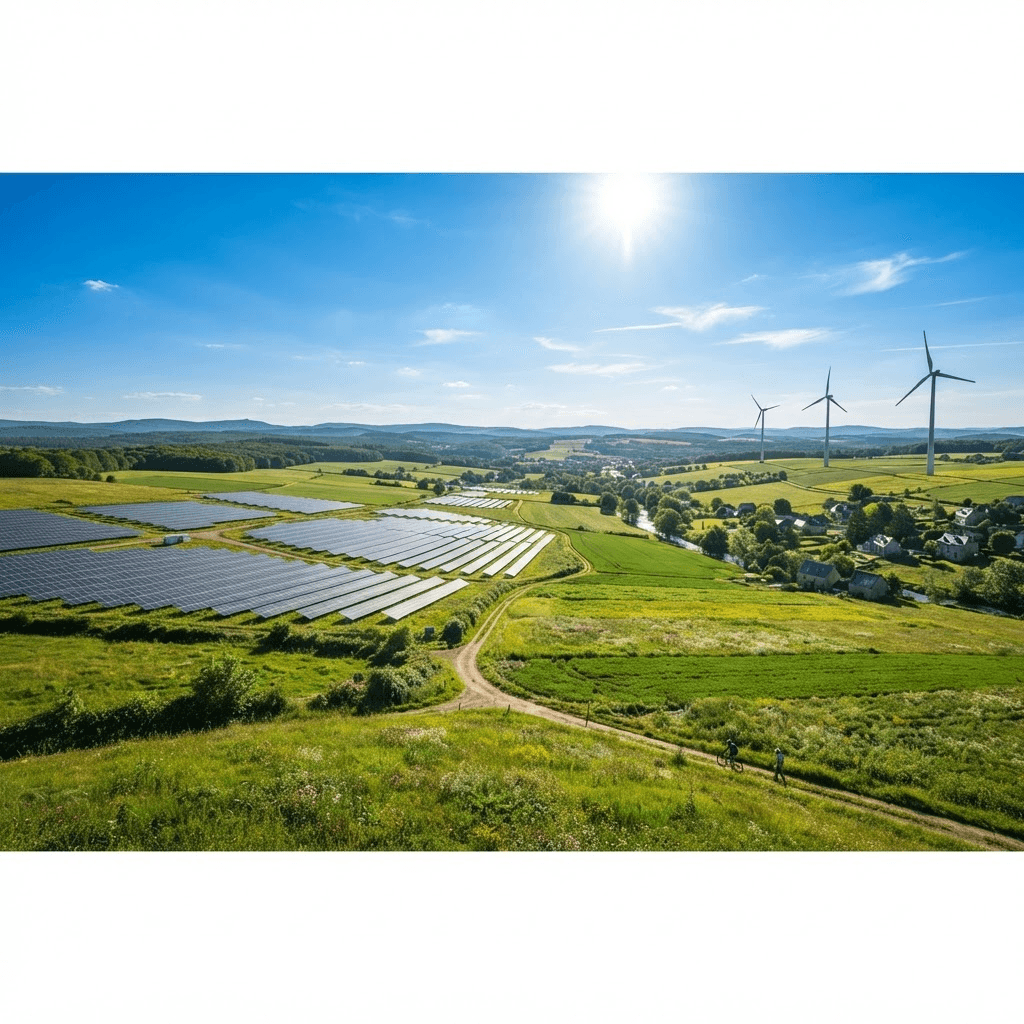
Renewable energy is power drawn from natural sources that replenish themselves faster than we can use them up: sunlight, wind, water, and heat from the earth. It stands in contrast to fossil fuels like coal, oil, and gas, which took millions of years to form and are gone once burned.
That single distinction — inexhaustible versus finite — is why renewables sit at the center of nearly every conversation about climate change and global warming.
How Renewable Energy Addresses Climate Change and Global Warming
To understand why renewable energy matters, it helps to be clear about the problem it addresses.
Burning fossil fuels releases carbon dioxide and other greenhouse gases into the atmosphere. Those gases trap heat that would otherwise escape into space, gradually warming the planet. This is global warming, and the broader shifts it drives — in weather, sea levels, and ecosystems — are what we call climate change.
What unites renewable sources is that they generate energy with little or no greenhouse gas emissions at the point of use. A solar panel produces electricity without burning anything; a wind turbine emits nothing as it spins. By replacing fossil-fueled power plants with these sources, we cut the flow of carbon into the atmosphere at its largest source — the core mechanism by which renewables fight climate change.
The scale of that opportunity is enormous, because electricity generation and heating are among the biggest sources of global emissions. Every coal or gas plant taken offline and replaced with clean generation removes a steady stream of carbon that would have accumulated for decades. This is why the transition to renewables is treated not as a lifestyle preference but as essential climate infrastructure.
What Is Energy, and What Is Electricity?
Before comparing individual sources, it helps to nail down the basics. Energy is the capacity to do work, and electricity is one especially useful form of it — a flow of electric charge we can send through wires to power our lives.
How we create electricity — whether by spinning a turbine, splitting atoms, or freeing electrons in a solar cell — is really the story of energy itself, and it's the foundation for understanding what makes energy renewable or non-renewable.
Renewable vs. Non-Renewable Energy: What's the Difference?
The dividing line is replenishment. Renewable sources naturally restock on a human timescale, while non-renewable sources exist in a fixed supply.
| Renewable | Non-Renewable | |---|---| | Sunlight | Coal | | Wind | Natural gas | | Water (hydropower) | Oil | | Geothermal heat | — | | Sustainably grown biomass/materials | — |
This is where a lot of common questions come from:
- Is the sun renewable or nonrenewable? Firmly renewable — it pours down far more energy than we could ever use.
- Is water a renewable resource? Yes — the water cycle continuously refills rivers and reservoirs.
- Is coal renewable or nonrenewable? Is natural gas renewable or nonrenewable? Both are non-renewable — they're finite and took millions of years to form.
- What are renewable materials? Substances, like sustainably grown wood, that regrow rather than deplete.
Types of Renewable Energy Sources
The main renewable sources each tap a different part of the natural world.
Solar Energy
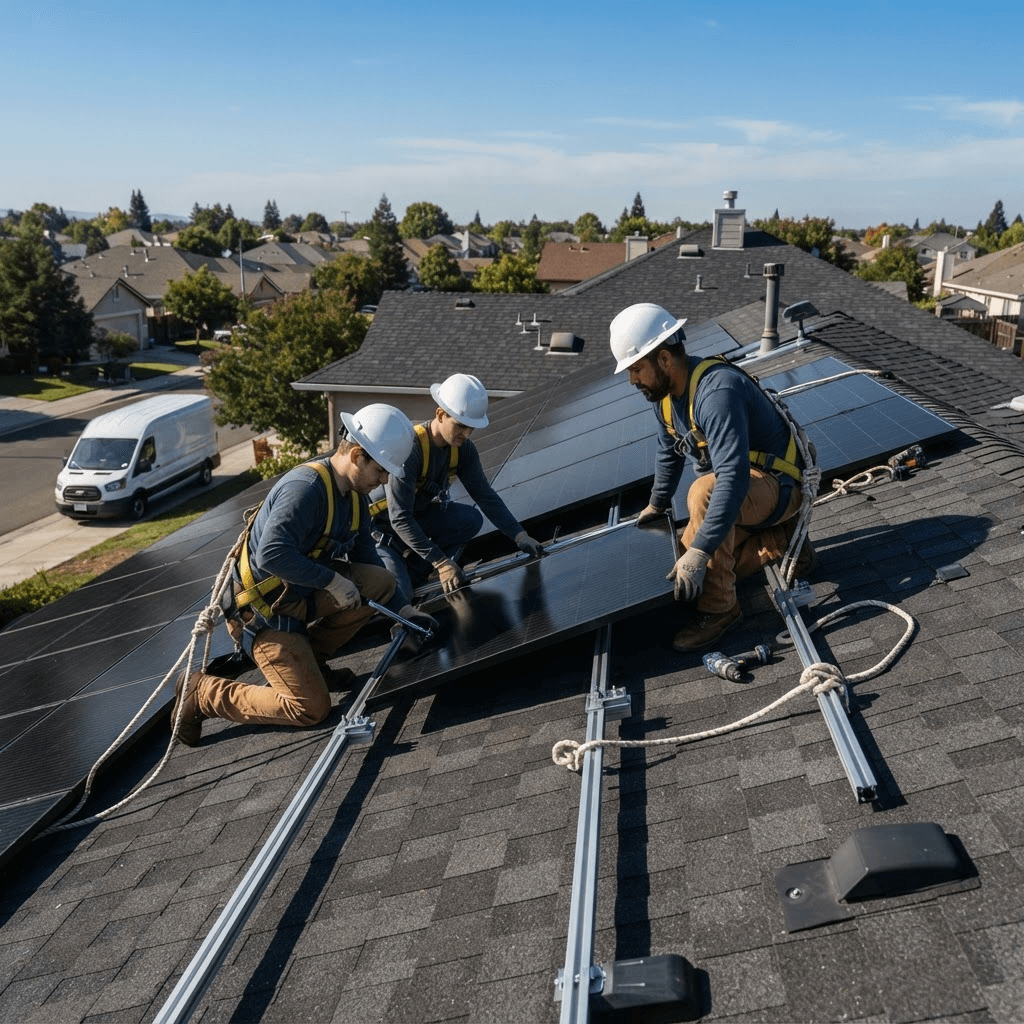
Captures energy from sunlight, either as electricity through photovoltaic panels or as heat.
Wind Energy
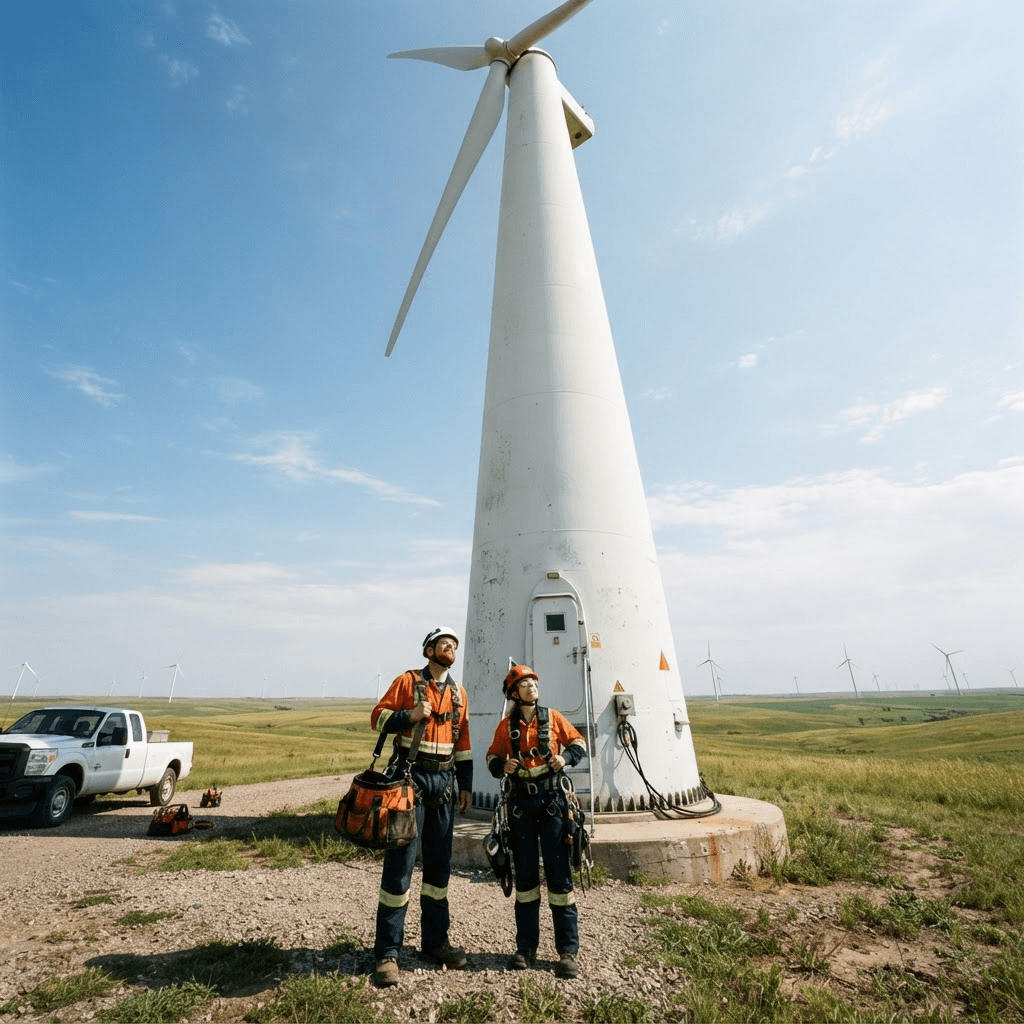
Turns the kinetic energy of moving air into electricity through turbines. Modern wind turbines convert spinning blades into electricity as they turn a generator. For homeowners, home wind turbine kits and residential wind power generators have made it possible for a property to produce some of its own power on a breezy site. Output depends heavily on turbine size and wind speed — a small residential unit generates modestly, while a large utility turbine can power hundreds of homes. Costs range from a few thousand dollars for a small home kit to millions for grid-scale machines.
Hydropower
Harnesses flowing water. Most large-scale hydropower comes from dams: engineers create a reservoir whose stored water can be released through turbines whenever electricity is needed, making hydro a dependable, dispatchable renewable. The trade-off is that large dams can significantly alter rivers and ecosystems.
Geothermal Energy
Draws on heat stored beneath the earth's surface. A geothermal heating system, often called a ground-source heat pump, circulates fluid through buried loops to move heat between a building and the earth — warming it in winter and cooling it in summer. Because the ground stays at a nearly constant temperature year-round, these systems are remarkably efficient, using a small amount of electricity to move heat rather than generating it by burning fuel.
Biomass
Uses organic material for energy, though it's more complicated from an emissions standpoint than the sources above.
Renewable vs. Clean Energy: An Important Distinction
The terms "renewable" and "clean" overlap but aren't identical:
- Renewable refers to whether a source naturally replenishes.
- Clean refers to whether it emits greenhouse gases.
Solar and wind are both renewable and clean. Nuclear power, by contrast, is very low-carbon but not renewable, since it relies on mined uranium fuel. Keeping this distinction straight helps make sense of energy debates that often blur the two.
How Does Nuclear Power Work?
Nuclear power splits uranium atoms in a controlled chain reaction, releasing heat that boils water into steam, which spins a turbine connected to a generator — the same final step as most power plants, just with a different heat source.
Pros: Enormous, reliable, carbon-free output from a very small land footprint. Cons: High upfront costs, long construction times, and the long-term challenge of safely storing radioactive waste.
The Cost of Renewable Energy Has Changed the Equation
Cost used to be the great obstacle to renewables, and it no longer is. Over the past decade, the price of solar and wind power has fallen so dramatically that in much of the world they are now the cheapest sources of new electricity, undercutting even the fossil fuels they replace. That shift changed renewables from an idealistic choice into an economically rational one, which is a large part of why adoption has accelerated so sharply.
Challenges of Renewable Energy
Renewables aren't without challenges, and honesty about them builds trust. The sun doesn't always shine and the wind doesn't always blow, so managing this intermittency requires:
- Energy storage (batteries, pumped hydro)
- Smarter grids and improved transmission
- A diverse mix of sources that complement one another
These tools turn variable generation into reliable, around-the-clock power, and they're advancing quickly. Wind and geothermal illustrate this well: wind is abundant and cheap but intermittent, while geothermal provides steady, always-on baseload power but is geographically limited to where the earth's heat is close to the surface. A grid that leans on both, plus solar and storage, is far more resilient than one betting on any single source.
Fossil Fuels in Perspective
No honest energy overview ignores the incumbents. Fossil fuels are energy-dense, easy to transport and store, and have powered enormous economic progress, which is a large part of why they still dominate. But those merits come bundled with the carbon emissions driving climate change, and because coal, gas, and oil are all non-renewable, their advantages are inherently temporary.
Between the two dominant fossil fuels:
- Coal is the most carbon-intensive, releasing roughly twice the carbon dioxide of natural gas per unit of electricity, along with soot, sulfur dioxide, and mercury.
- Natural gas burns cleaner and is often called a "bridge fuel," but leaked methane during extraction and transport can erode its climate advantage over coal.
Recognizing what fossil fuels do well makes the case for renewables sharper, not weaker: the goal is to keep the reliability and convenience while shedding the emissions and the finite supply.
Beyond the Climate: Everyday Benefits of Renewable Energy
The impact of renewable energy reaches beyond the climate ledger. Renewables:
- Reduce the air pollution that harms human health
- Create durable local jobs
- Lessen dependence on imported and price-volatile fuels
The same choices that slow global warming also tend to make communities healthier, more self-reliant, and more economically stable, which is why they attract support across a wide range of motivations.
For a closer look at the most accessible of these technologies for homeowners, see our solar energy articles.
Frequently Asked Questions
What is renewable energy in simple terms? Renewable energy is power generated from sources the earth naturally replenishes, like sunlight, wind, water, and geothermal heat, as opposed to fossil fuels, which exist in a finite, non-renewable supply.
How does renewable energy help with climate change? It replaces fossil fuel power plants that emit greenhouse gases with sources that generate electricity with little or no emissions, directly reducing the carbon driving global warming.
Is nuclear energy renewable? No. Nuclear power is low-carbon and clean but not renewable, since it depends on mined uranium, a finite resource.
Is natural gas renewable or nonrenewable? Natural gas is non-renewable. It's a fossil fuel formed over millions of years and burned faster than it can be replaced.
What's the difference between renewable and clean energy? Renewable describes whether a source replenishes naturally; clean describes whether it emits greenhouse gases. Most renewables are also clean, but not every clean source (like nuclear) is renewable.
The Bottom Line
Renewable energy is our most direct lever on climate change: it replaces the fossil fuels whose emissions drive global warming with sources the planet naturally renews. Understanding what it is, and why it works, turns a distant, abstract crisis into something concrete and solvable. Every rooftop panel and every turbine is a small piece of that larger answer, and together they add up to a genuinely different future.