Agriculture, Food, and Natural Resources: How They Shape Our Food System
Our food system connects farms, natural resources, and consumers. Understanding those links reveals why sustainable practices matter.
Agriculture, Food, and Natural Resources: How They Shape Our Food System
The food on our tables is the end of a long chain that begins with land, water, and energy. Agriculture, food production, and natural resources are deeply interconnected, and understanding those links helps explain why sustainability has become so urgent.
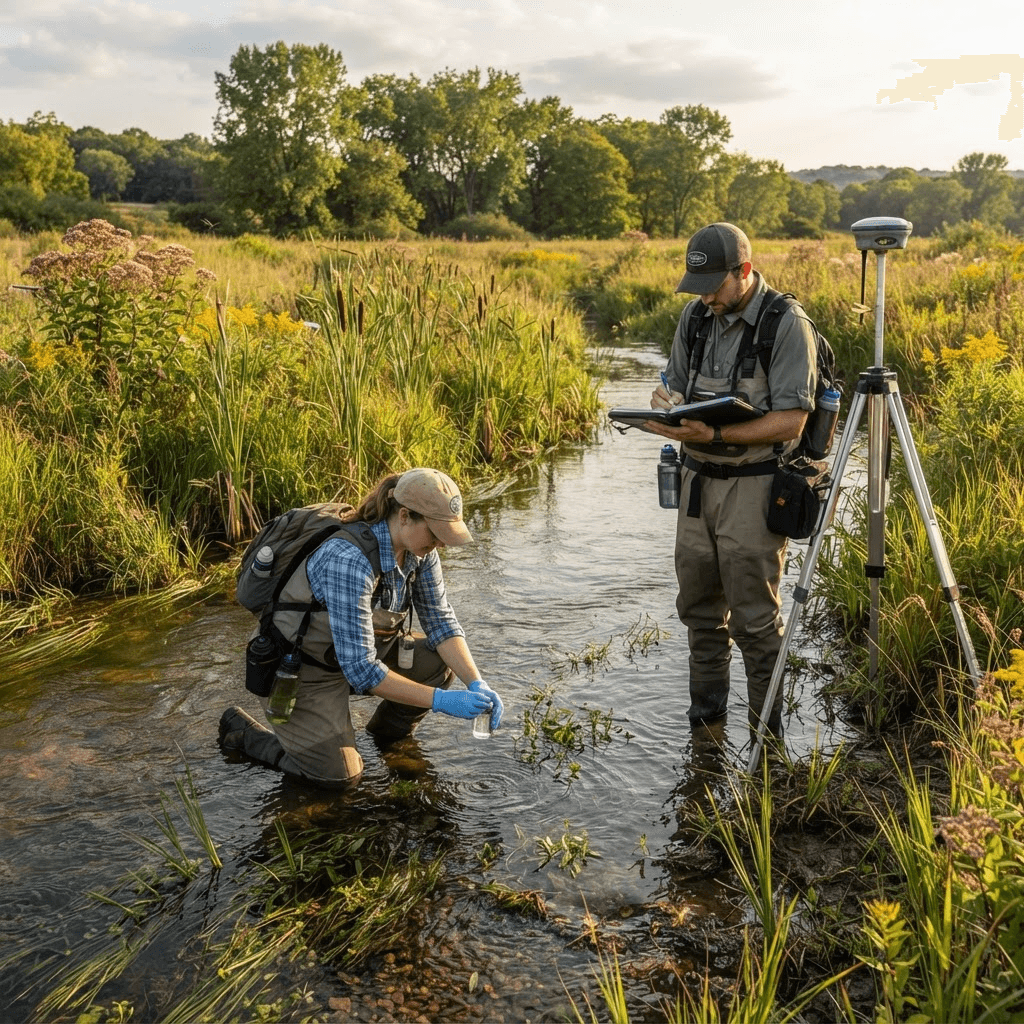
It starts with natural resources. Soil, freshwater, and sunlight are the raw inputs of agriculture, and each is finite or vulnerable to overuse. Healthy soil and clean water are the foundation of every harvest, which is why protecting them protects the food supply itself.
From the farm, food moves through processing, transport, and retail before reaching consumers. Each step consumes energy and generates waste, so efficiency and shorter supply chains can meaningfully reduce the system's footprint.
Seeing the food system as a whole makes the case for sustainable agriculture clear: practices that conserve soil, use water wisely, and draw on renewable energy do not just help individual farms, they safeguard the resources the entire system relies on.
Agriculture as the Foundation of the Food System
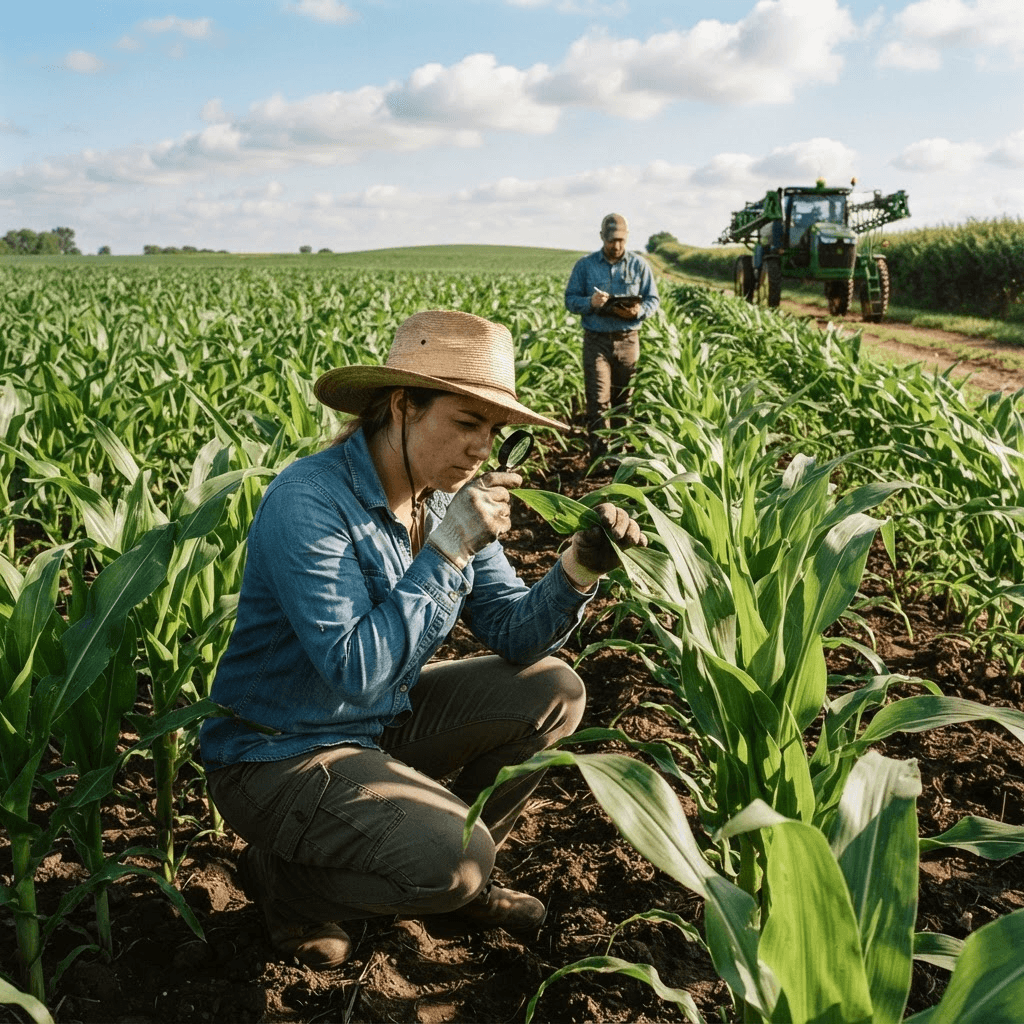
Agriculture sits at the base of the entire food system, the vast network that moves nourishment from farm to table. Every meal traces back to a farmer growing crops or raising livestock, drawing on soil, water, sunlight, and seed to produce the raw materials of food.
From there the system branches into processing, transportation, storage, distribution, retail, and finally consumption. Understanding agriculture as the first link in this chain clarifies why the health of farms, and the natural resources they depend on, ultimately determines the security, affordability, and nutrition of the food available to everyone.
The Natural Resources Farming Depends On
Farming is fundamentally the management of natural resources, and its productivity is bound to their health:
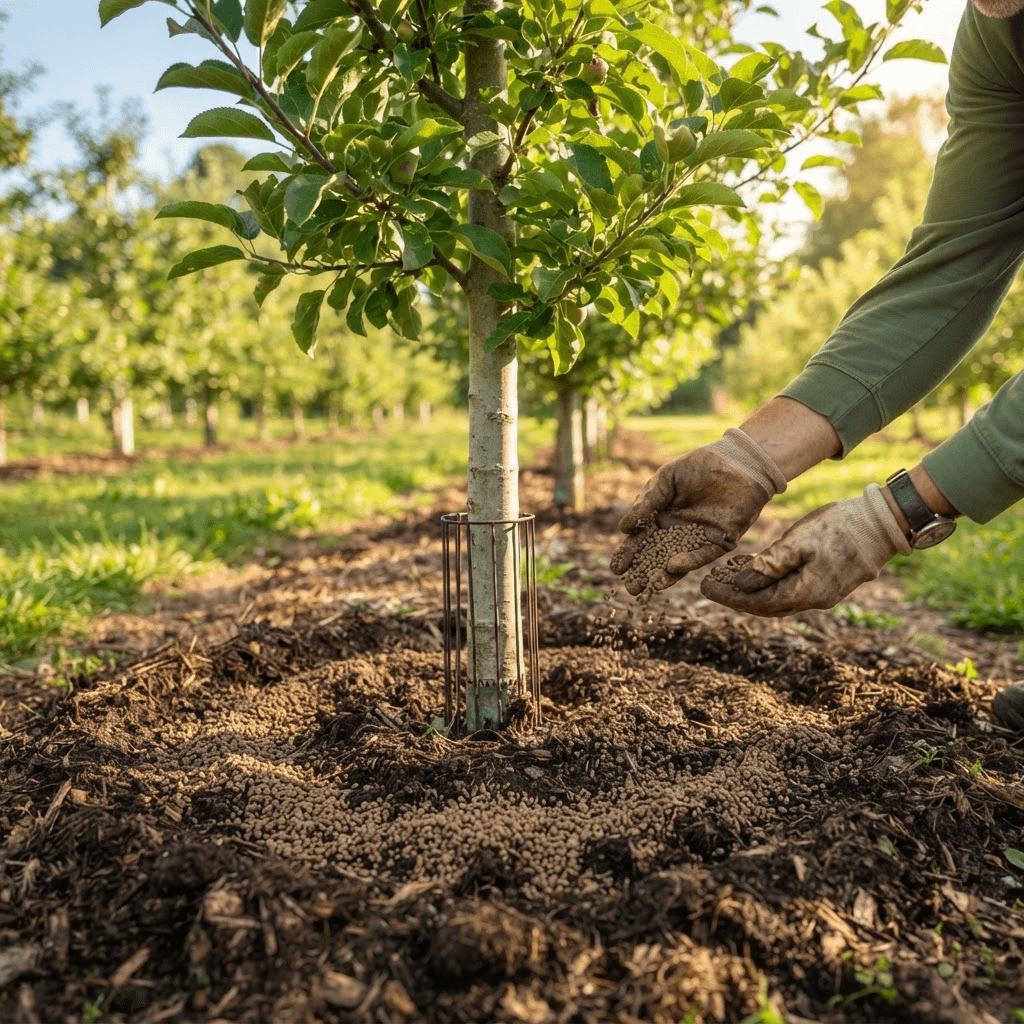
- Soil: supplies the nutrients and structure crops need, and building or depleting it shapes yields for generations.
- Fresh water, whether from rainfall, rivers, or aquifers, is often the limiting factor in production, making its wise use central to sustainability.
- Sunlight powers the photosynthesis behind all plant growth.
- Biodiversity, from pollinators to soil microbes, quietly sustains the whole enterprise.
Because these resources are finite and interlinked, protecting them is not optional but essential to keeping the food system running.
From Field to Table: The Supply Chain
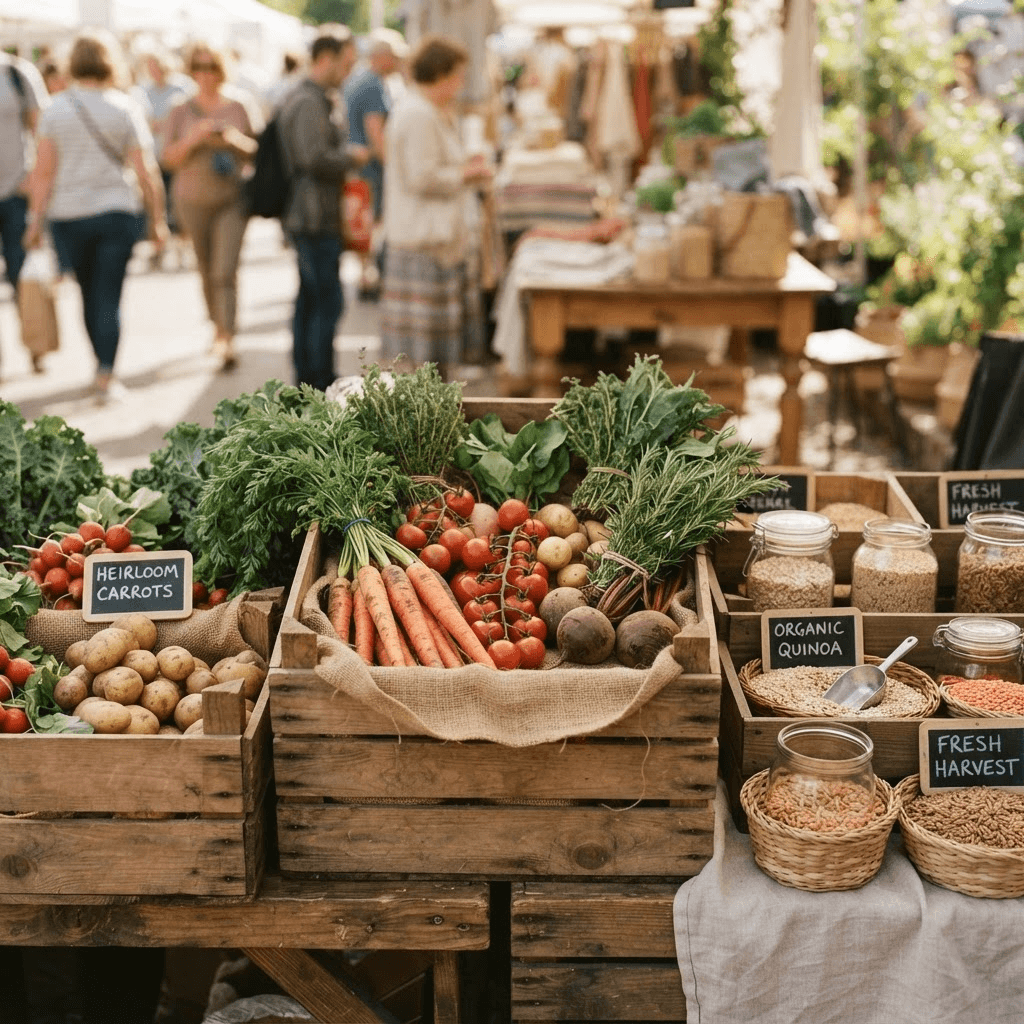
Between the farm and the plate lies a complex journey that adds value and reach at every step. Harvested crops and livestock are processed into ingredients and products, packaged, and moved through transportation and cold-storage networks that may span the globe.
Distributors and retailers make food available where and when people want it, and each stage adds cost, requires energy, and creates opportunities for both efficiency and waste. Appreciating this chain helps explain why events far from the farm, fuel prices, labor, weather, policy, ripple through to the food and prices consumers encounter.
Feeding a Growing Population Sustainably
The central challenge of the modern food system is producing enough nutritious food for a growing world without exhausting the resources it relies on. This means raising productivity through better practices and technology while conserving soil, water, and biodiversity, and reducing the substantial share of food lost or wasted along the chain.
Sustainable and regenerative approaches aim to farm in ways that maintain or restore natural resources rather than degrade them, recognizing that long-term food security depends on keeping the underlying resource base intact for future generations.
Food Security and Everyday Life
The food system touches every person daily, and its stability underpins society itself. Food security, reliable access to sufficient, safe, and nutritious food, depends on the smooth functioning of agriculture and the resources behind it.
Disruptions from drought, conflict, or supply-chain shocks quickly reach household kitchens and budgets. Recognizing agriculture, food, and natural resources as one connected system helps consumers, farmers, and policymakers make choices, from reducing waste to protecting farmland and water, that strengthen the resilience of the food supply everyone shares.
To follow any single thread of that system further, browse our food system explainers.
Frequently Asked Questions
What is the food system? The food system is the entire network that brings food from farm to table, including agriculture, processing, transportation, storage, distribution, retail, and consumption, along with the natural resources and people that support each stage.
How does agriculture connect to natural resources? Farming depends directly on soil, fresh water, sunlight, and biodiversity to produce crops and livestock. The health of these finite, interlinked resources determines agricultural productivity and the long-term security of the food supply.
Why is the food supply chain important? The supply chain adds value and moves food from farms to consumers through processing, transport, and retail. Its efficiency and disruptions directly affect food availability, prices, and waste experienced by households.
How can we feed a growing population sustainably? By raising productivity with better practices and technology while conserving soil, water, and biodiversity, reducing food loss and waste, and adopting sustainable or regenerative methods that maintain the resource base for the future.