Top 10 Innovations in Sustainable Agriculture Transforming Farming
The top 10 technologies transforming sustainable agriculture, from precision irrigation and drones to vertical farming and regenerative soil practices.
Top Innovations in Sustainable Agriculture: 10 Technologies Transforming Farming
Sustainable agriculture is being propelled forward by a wave of technology designed to boost yields while shrinking environmental impact. Here are ten of the most transformative innovations reshaping how food gets grown.
What Makes Agriculture Sustainable
Sustainable agriculture aims to meet today's food needs without compromising the ability of future generations to meet theirs. It rests on three balanced goals: protecting the environment, remaining economically viable for farmers, and supporting rural communities.
In practice this means farming in ways that maintain healthy soil, conserve water, protect biodiversity, and limit pollution, while still producing enough food profitably. Rather than a single method, sustainability is a guiding principle applied through many practices and technologies, all sharing the aim of working with natural systems instead of depleting them, which is exactly where the technologies below come in.
10 Technologies Transforming Sustainable Agriculture
1. Precision and Smart Irrigation
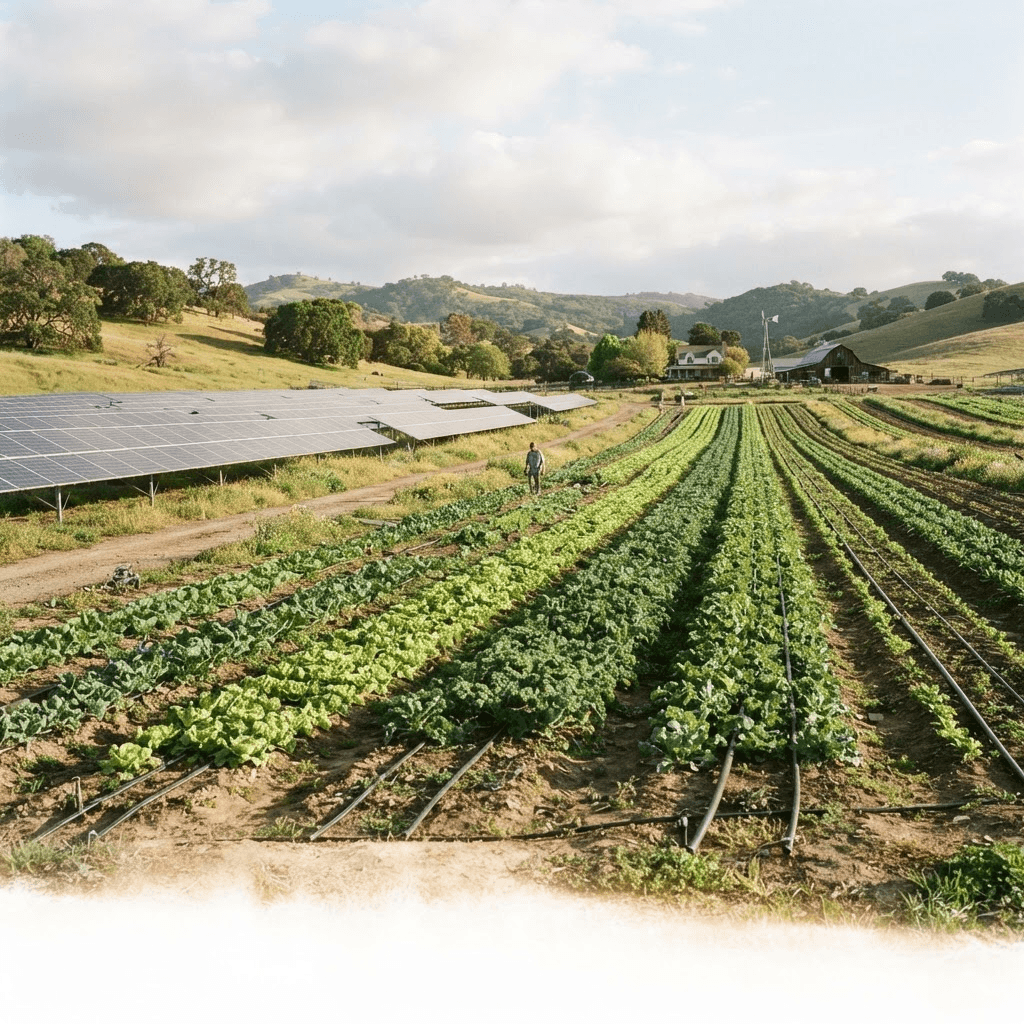
Drip irrigation delivers water directly to plant roots, drastically cutting waste from evaporation and runoff compared to flood or spray methods. Paired with soil-moisture sensors and smart controllers that apply water only when and where crops need it, guided by real-time data and weather forecasts, these systems let farmers grow more with less water. Rainwater harvesting and careful scheduling round out the toolkit, protecting both aquifers and the farm's bottom line.
2. Solar-Powered and Electrified Equipment
Solar-powered pumps and electrified equipment cut reliance on fossil fuels, pairing naturally with the sunny conditions many farms enjoy. This shift reduces both operating costs and the carbon footprint of everyday farm operations, from running irrigation pumps to powering smaller equipment around the property.
3. Drones and Satellite Crop Monitoring
Drones and satellite imaging let farmers monitor crop health across large areas, spotting stress or disease early, often before it would be visible from the ground. This bird's-eye view turns what used to be time-consuming manual scouting into a fast, repeatable process that can cover an entire operation in a fraction of the time.
4. Sensor Networks and Farm-Management Software
Sensor networks feed real-time data into software that guides precise decisions about planting, feeding, and harvest timing. Data analytics and farm-management platforms turn raw readings into actionable insight, helping farmers make better decisions faster instead of relying on guesswork or fixed schedules.
5. GPS-Guided Precision Application
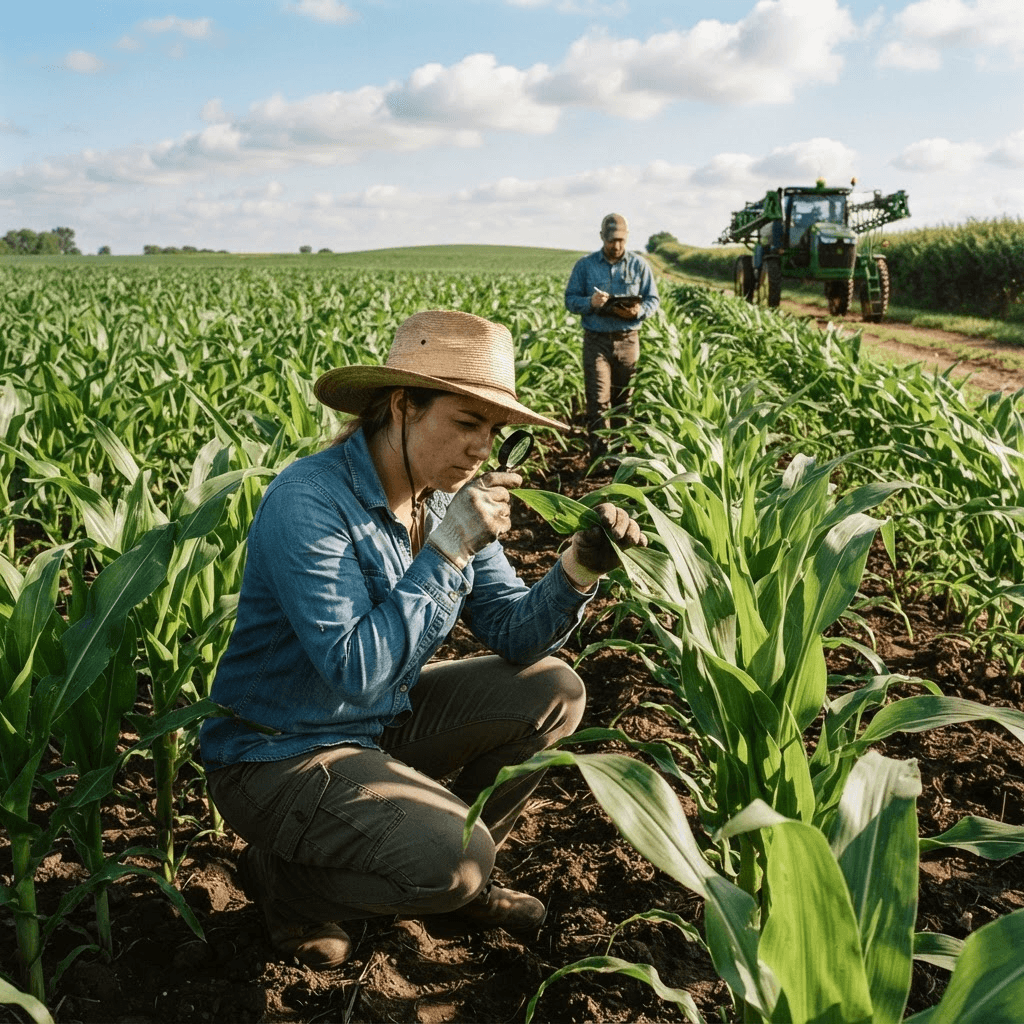
GPS-guided equipment lets farmers apply seed, fertilizer, and pest control only where needed rather than uniformly across an entire field, reducing waste and environmental impact. This targeted approach is central to precision agriculture, treating each section of a field according to its actual needs rather than treating the whole field as one uniform block.
6. Robotic Weeders
Emerging robotic weeders use computer vision to identify and remove weeds mechanically or with targeted spot-treatment, cutting herbicide use significantly. As labor becomes harder to source, these tools are increasingly filling a gap that once required extensive manual or chemical weed control.
7. Vertical Farming and Controlled-Environment Agriculture
Vertical farming grows crops in stacked indoor layers using minimal land and water, while hydroponics and other controlled-environment methods grow food independent of outdoor soil and weather conditions entirely. These approaches show that high technology and sustainability can reinforce rather than oppose each other, producing food with a dramatically smaller land and water footprint.
8. Regenerative Soil Practices
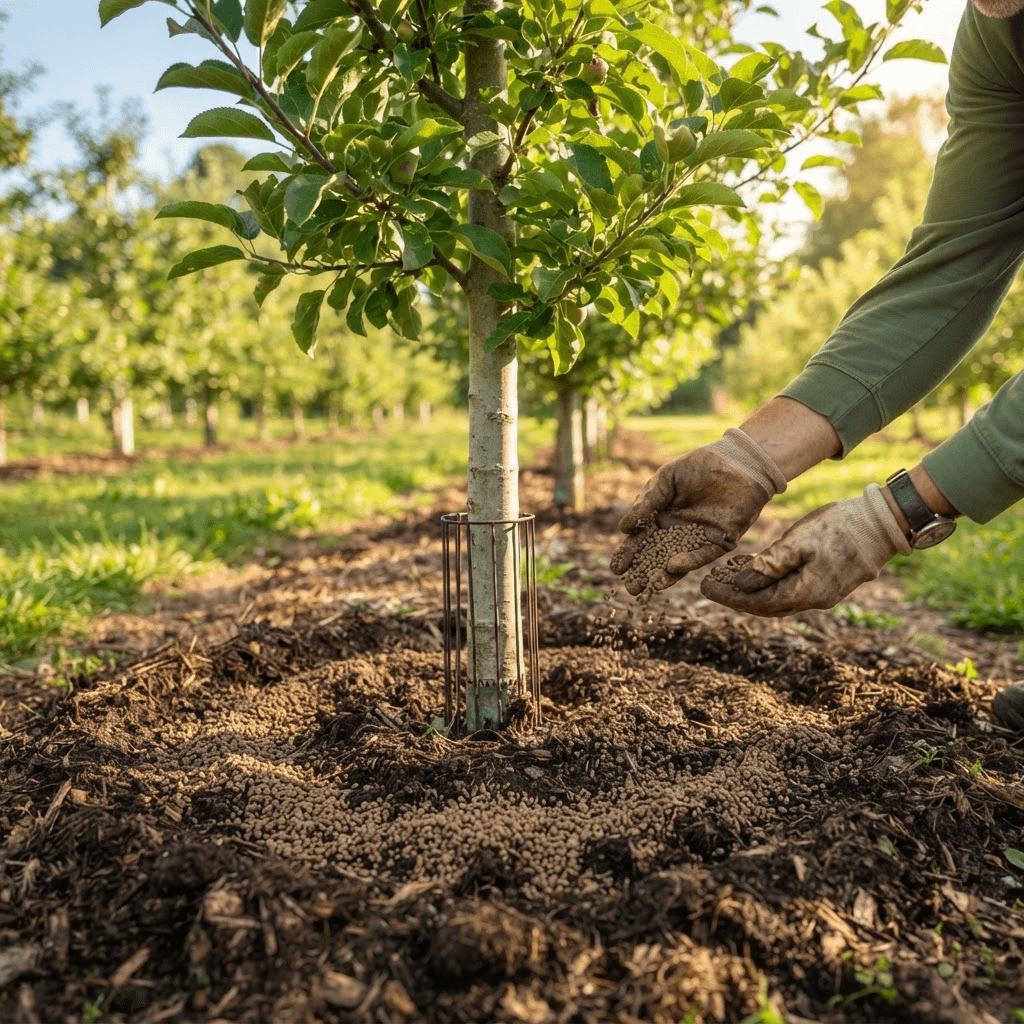
Cover cropping keeps living roots in the ground between cash crops, preventing erosion and feeding soil life. Reduced or no-till farming leaves soil structure intact and locks carbon in the ground, crop rotation breaks pest cycles and balances nutrient use, and composting and organic amendments restore fertility naturally. Together these practices rebuild organic matter, improve water retention, and create resilient soils that support strong yields with fewer synthetic inputs over time.
9. Integrated Pest Management and Biological Controls
Integrated pest management combines biological controls, beneficial insects, and targeted treatments to manage pests with minimal chemicals. Supporting pollinators and beneficial organisms strengthens the whole system, reducing dependence on broad-spectrum pesticides while still protecting yields.
10. Resilient Crop Genetics and Ecological Diversification
Improved and drought-tolerant seed varieties help crops withstand more variable, challenging conditions with less irrigation and fewer inputs. Alongside this, agroforestry blends trees with crops or livestock to improve biodiversity, soil, and resilience, while polyculture and diverse rotations reduce risk and dependence on any single crop, building a farm system that's harder to knock off balance.
Why These Technologies Work Better Together
None of these innovations exist in isolation, and the most sustainable farms typically combine several at once. Soil sensors feeding a smart irrigation system, drone imagery guiding GPS-directed fertilizer application, and regenerative soil practices supporting the crops those systems are managing all reinforce each other. High technology and ecological, working-with-nature approaches aren't opposing philosophies, they're increasingly the same strategy, approached from different angles.
For how these pieces combine on working farms, see our sustainable agriculture innovation coverage.
Frequently Asked Questions
What is sustainable agriculture? Sustainable agriculture produces food to meet present needs without harming future generations' ability to do the same, balancing environmental protection, economic viability for farmers, and support for rural communities.
What technologies support sustainable farming? Drip irrigation and moisture sensors save water, precision tools like GPS, drones, and sensors target inputs, robotic weeders cut chemicals, and controlled-environment methods such as vertical farming and hydroponics reduce land and water use.
What are regenerative farming practices? Regenerative practices such as cover cropping, reduced or no-till farming, crop rotation, and composting rebuild soil organic matter, prevent erosion, improve water retention, and store carbon, creating resilient, productive soils over time.
How does sustainable agriculture help the environment? It conserves soil and water, protects biodiversity and pollinators, reduces chemical use and pollution, and can store carbon in the soil, all while keeping farms productive and economically viable for the long term.