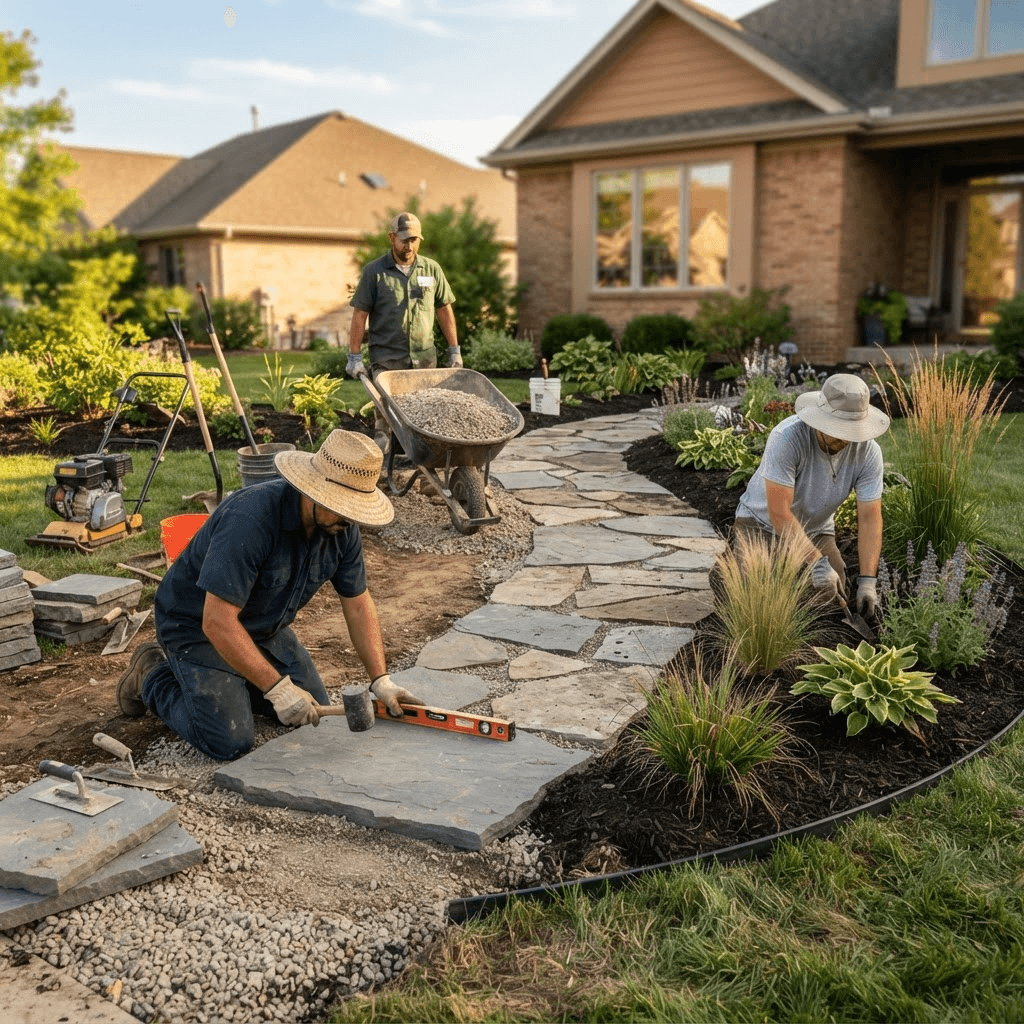
How to Design Your Backyard and Front Yard
Good yard design starts with how you want to live outdoors. Plan the front for welcome and the back for use, and the plants fall into place.
How to Design Your Backyard and Front Yard
Designing your yard is less about picking plants first and more about deciding how you want to use the space. A yard that looks good but works poorly quickly becomes a chore. Your front yard and backyard have different jobs, and the best designs treat them as two connected but distinct rooms of an outdoor home.
Start With How You'll Live in the Space, Not With Plants
Before you buy a single plant, decide how each part of your property needs to function. Skipping this step is the most common reason a yard ends up looking nice but working poorly. Once you know how you want to live in the space, the layout follows naturally, and the planting choices become far easier to make.
Front Yard Design: Curb Appeal and a Welcoming Entrance
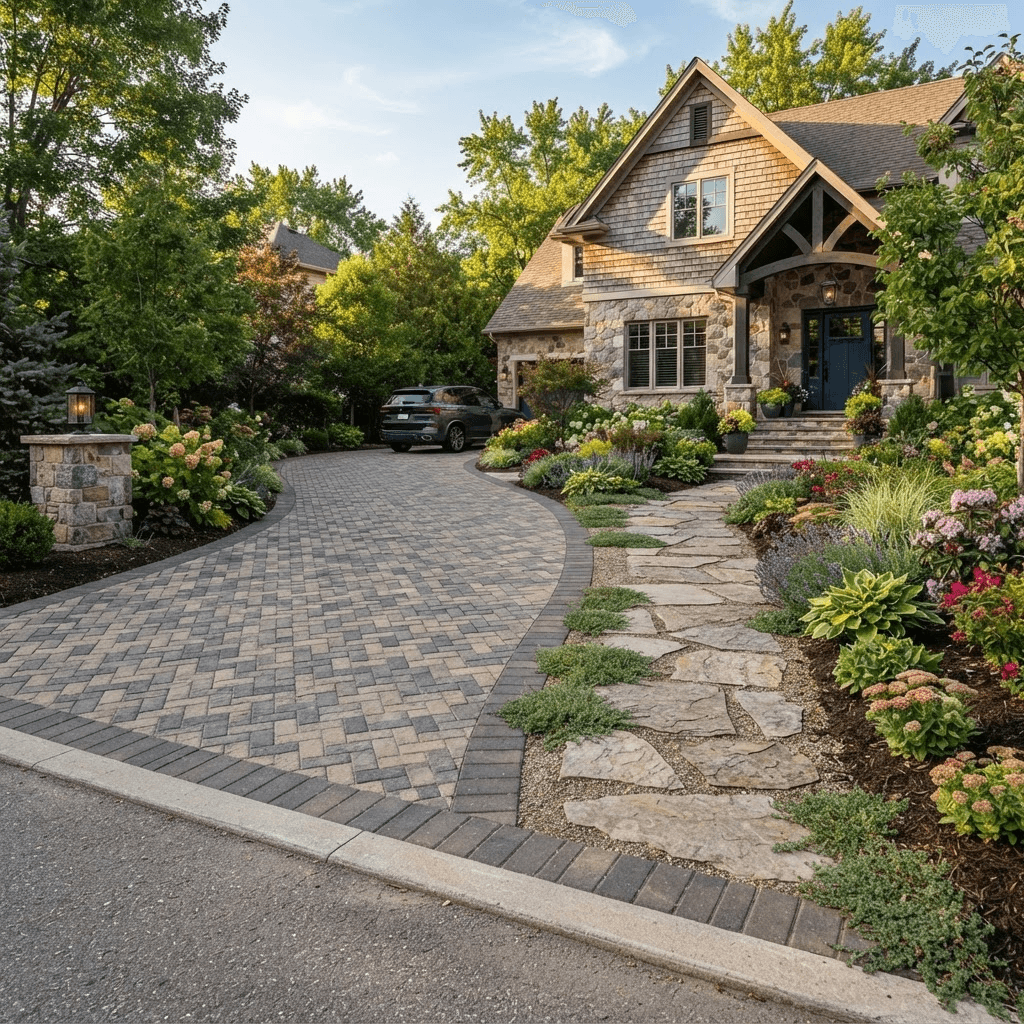
Start with the front yard, because it sets the tone for the whole property. Its main job is welcome and curb appeal: a clear, inviting path to the door, plantings that frame the house rather than hide it, and a sense of order that makes the entrance obvious.
Keep the front yard design simple and layered so the eye travels smoothly from the street to the front door:
- Low plants near walkways to soften the edges of the path
- Medium shrubs against the foundation to anchor the house to the landscape
- A tree or two for scale, positioned to frame the house rather than screen it
Because the front yard is mostly seen rather than used, prioritize low-maintenance plantings and a strong, legible structure over fussy details.
Backyard Design: Planning Activity Zones Before You Plant
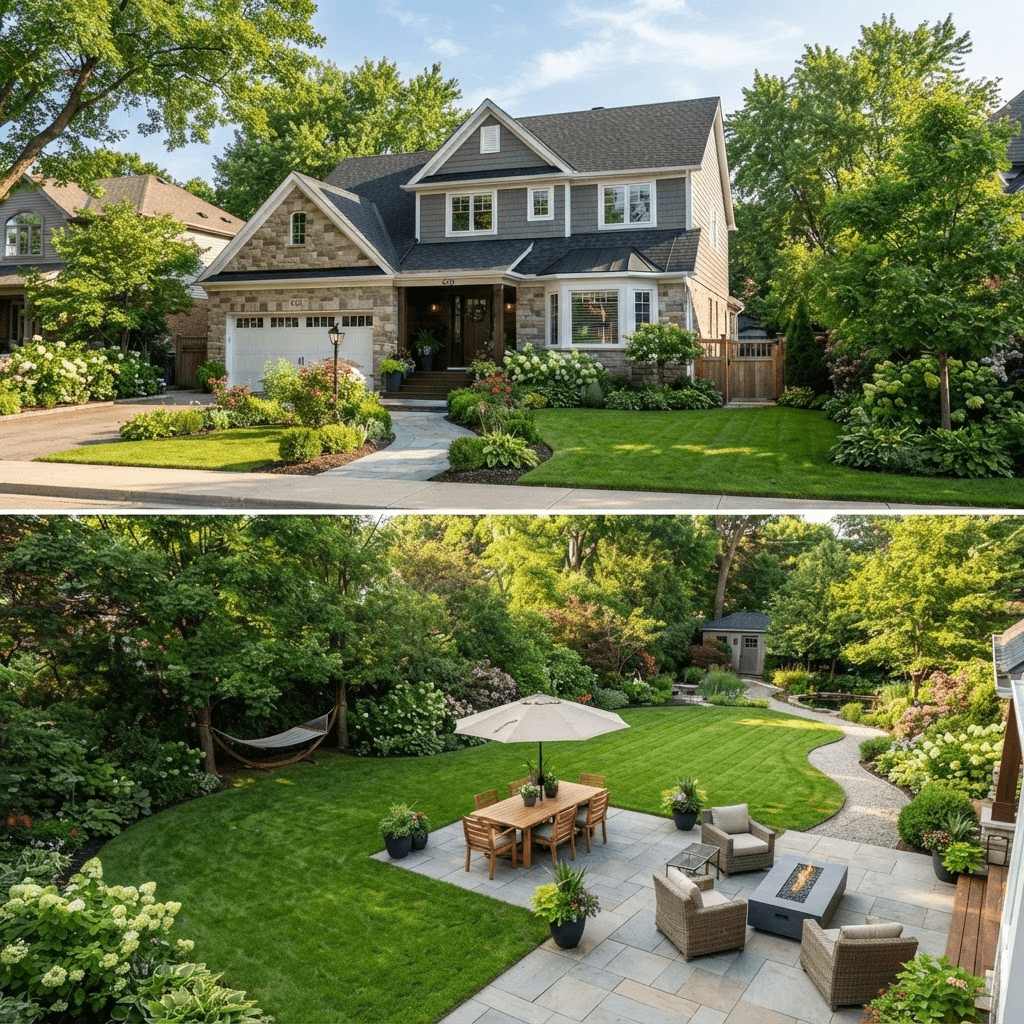
The backyard is where you actually live, so design it around activities rather than around individual plants. Sketch out zones before you plant anything:
- A patio or deck for dining and gathering
- An open lawn or play area
- Quieter corners for relaxing
- Utility spaces for storage, compost, or a vegetable bed
Defining these zones first tells you where you need hard surfaces, where you need shade, and where planting beds belong. A backyard that flows logically from the back door to the dining area to the lawn feels effortless, while one where everything competes for the same space feels cramped.
Design Fundamentals That Apply to Both Yards
With the layout settled, work through the design fundamentals that apply to both the front yard and backyard:
- Layer by height. Plant in tiers, trees, then shrubs, then ground-level plantings, so the space has depth rather than looking flat.
- Repeat plants and materials. A few repeated choices throughout the property read as cohesive, instead of a scattered collection of one-offs.
- Design around sight lines and focal points. A specimen tree, a water feature, or a striking planter gives the eye somewhere to land.
- Match plants to your actual site conditions. The healthiest design is one suited to its real sun, soil, and water conditions, not an idealized version of them.
Tie the Front Yard and Backyard Together
Finally, connect the two spaces so the property reads as a whole. Carrying a signature plant, a paving material, or a color palette from front to back ties everything together and makes even a modest lot feel intentional and designed.
Start with how you want to live in the space, let that drive the layout, and the result is a yard that's both beautiful to look at and genuinely enjoyable to use.
Start With How You Want to Use the Space
Great yard design begins not with plants but with purpose. Before choosing a single shrub, walk your property and ask how you actually want to live outdoors: where you will dine and entertain, where children or pets will play, where you want privacy, and which views you want to frame or hide. The front yard is largely about welcome and curb appeal, guiding visitors to the door and presenting the house well, while the backyard is your private retreat for relaxing, cooking, and gathering. Defining these functions first ensures the design serves your life rather than just looking pretty on paper.
Reading Your Site: Sun, Soil, and Drainage
Every successful design responds to the realities of the site. Spend time noting how the sun moves across the yard through the day, since that determines where plants will thrive and where a patio will be pleasant or punishing. Check your soil type and drainage, observe low spots where water collects, and note existing trees, slopes, and structures. These conditions are your design constraints, and working with them, placing shade-lovers in shade and sun-lovers in sun, prevents the endless struggle and plant losses that come from fighting the site.
Creating Structure With Lines and Zones
Cohesive yards are organized into zones connected by clear lines of movement. Paths and borders create the framework, directing the eye and the feet through the space, while distinct areas, a dining patio, a lawn, a planting bed, a fire pit, give the yard function and rhythm. Straight lines and geometric beds read as formal and modern, while curves feel relaxed and natural. Establishing this structure early, almost like drawing rooms in a floor plan, keeps the finished yard from feeling like a random collection of features.
Once the zones are sketched, our landscape budget planner shows roughly what each one costs to build so you can stage the work realistically.
Layering Plants for Year-Round Interest
Once the structure is set, plants bring it to life, and layering is the key to a rich, full look. Combine tall trees and shrubs for backdrop and privacy, mid-height perennials and grasses for body and color, and low ground covers to knit everything together. Aim for something happening in every season: spring bulbs, summer blooms, fall foliage, and evergreen structure for winter. Repeating a few key plants throughout both front and back yards creates unity, tying the whole property together into one deliberate design rather than disconnected patches.
Unifying Front and Back for a Cohesive Look
The most polished properties feel like a single, connected design rather than two unrelated yards. Carrying a consistent palette of materials, hardscape, and repeated plants from the front around to the back creates that harmony, so a visitor senses one guiding hand at work. Sightlines from indoors matter too: frame attractive views through windows and screen unappealing ones. Thinking of the entire lot as one composition, with the house at its center, is what elevates a yard from a set of features into a genuinely designed landscape.
For the individual pieces that make up a cohesive plan, from hardscape to planting beds, see our yard design guides.
Frequently Asked Questions
How do I start designing my yard? Begin with function, deciding how you want to use each area, then study your site's sun, soil, and drainage. Establish structure with paths and zones before choosing and layering plants for year-round interest.
What is the difference between front yard and backyard design? Front yards focus on curb appeal and welcoming visitors to the entrance, while backyards are private spaces for relaxing, dining, and play. A cohesive design links the two with shared materials and repeated plants.
How do I make my yard look cohesive? Repeat a limited palette of plants and materials throughout the property, establish clear lines and zones, and carry the design from front to back so the whole lot reads as one intentional composition.
Should I hire a designer or do it myself? Simple refreshes are very DIY-friendly, but complex layouts, grading, and hardscape benefit from a professional. A common approach is to commission a master plan and then execute it yourself in stages.