What is Landscaping?
Landscaping is the art of shaping outdoor space, combining plants, terrain, and structure into a place that looks good and works well.
What is Landscaping?
Landscaping is the practice of designing and modifying the visible features of an outdoor area to make it more attractive, functional, and sustainable. It covers everything from the plants you choose to the way the ground is shaped.
Softscape and Hardscape
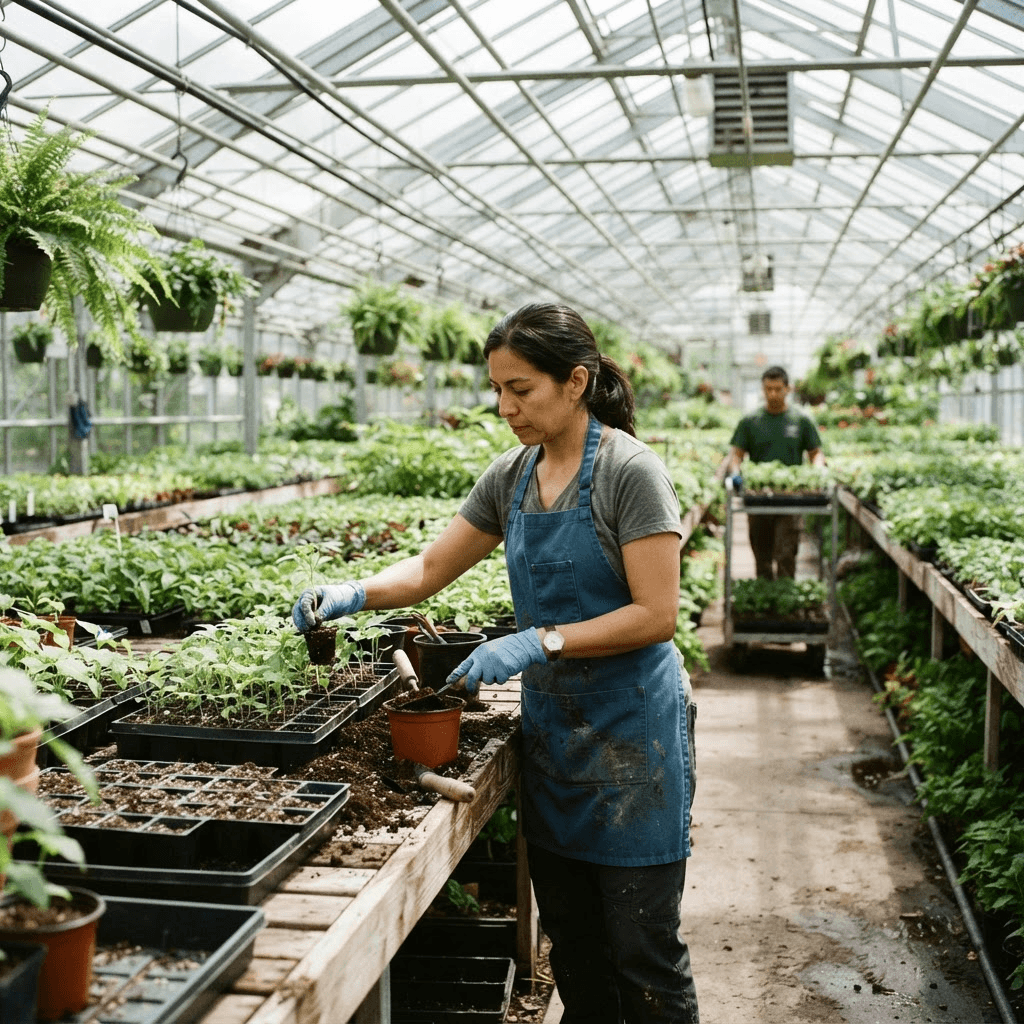
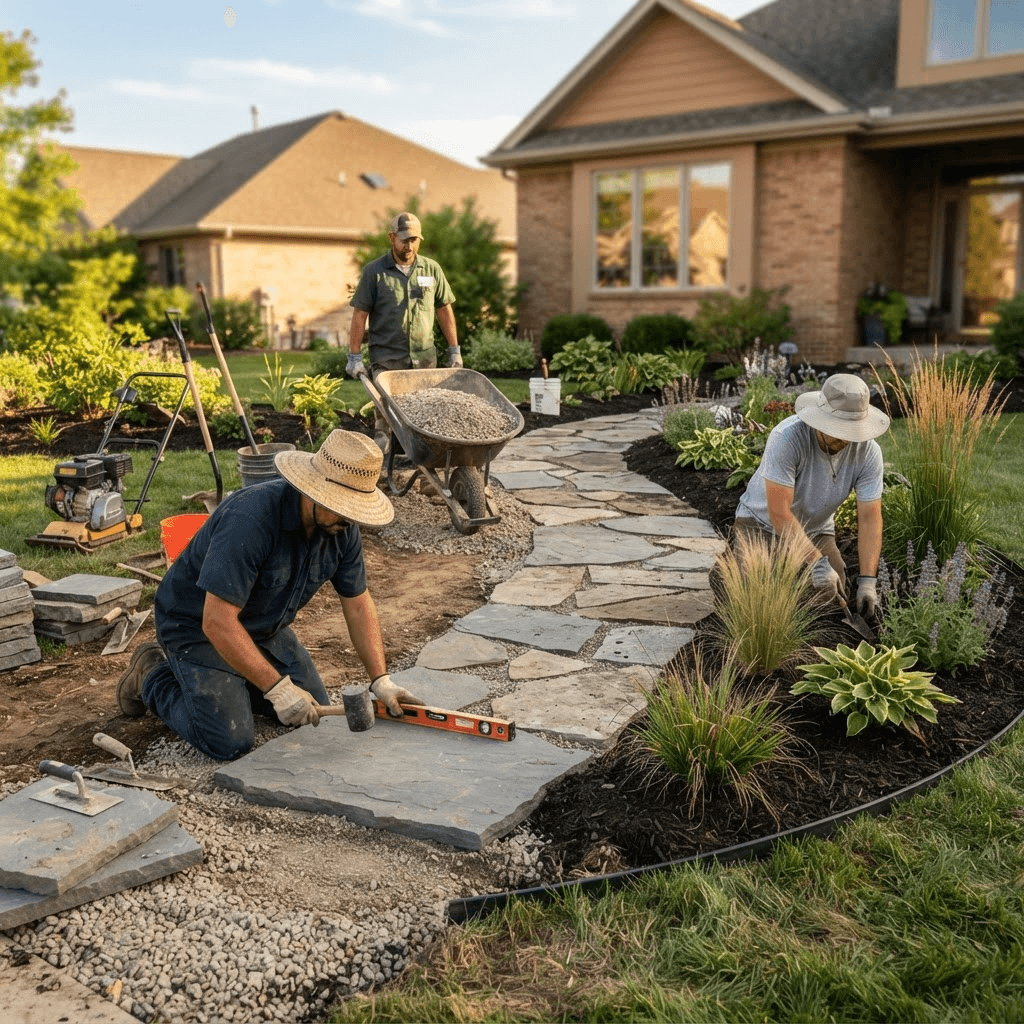
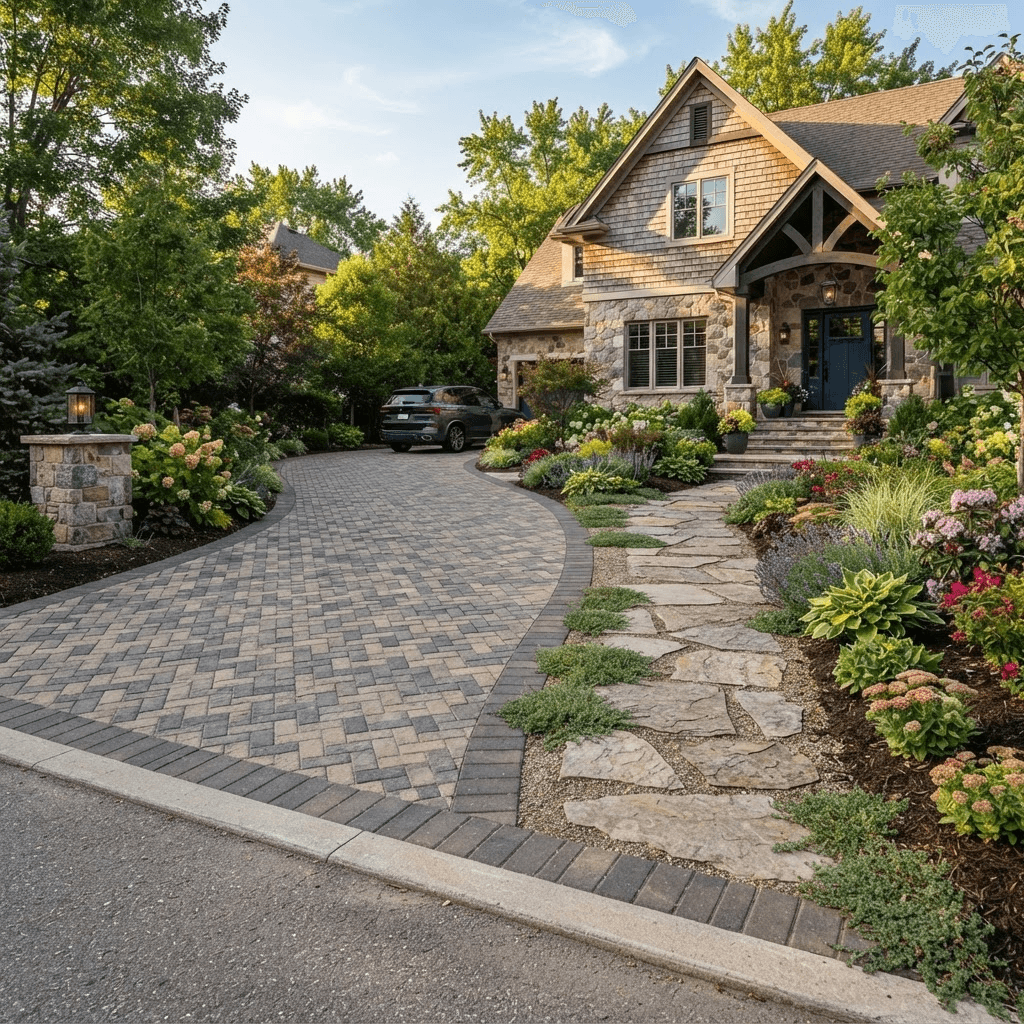
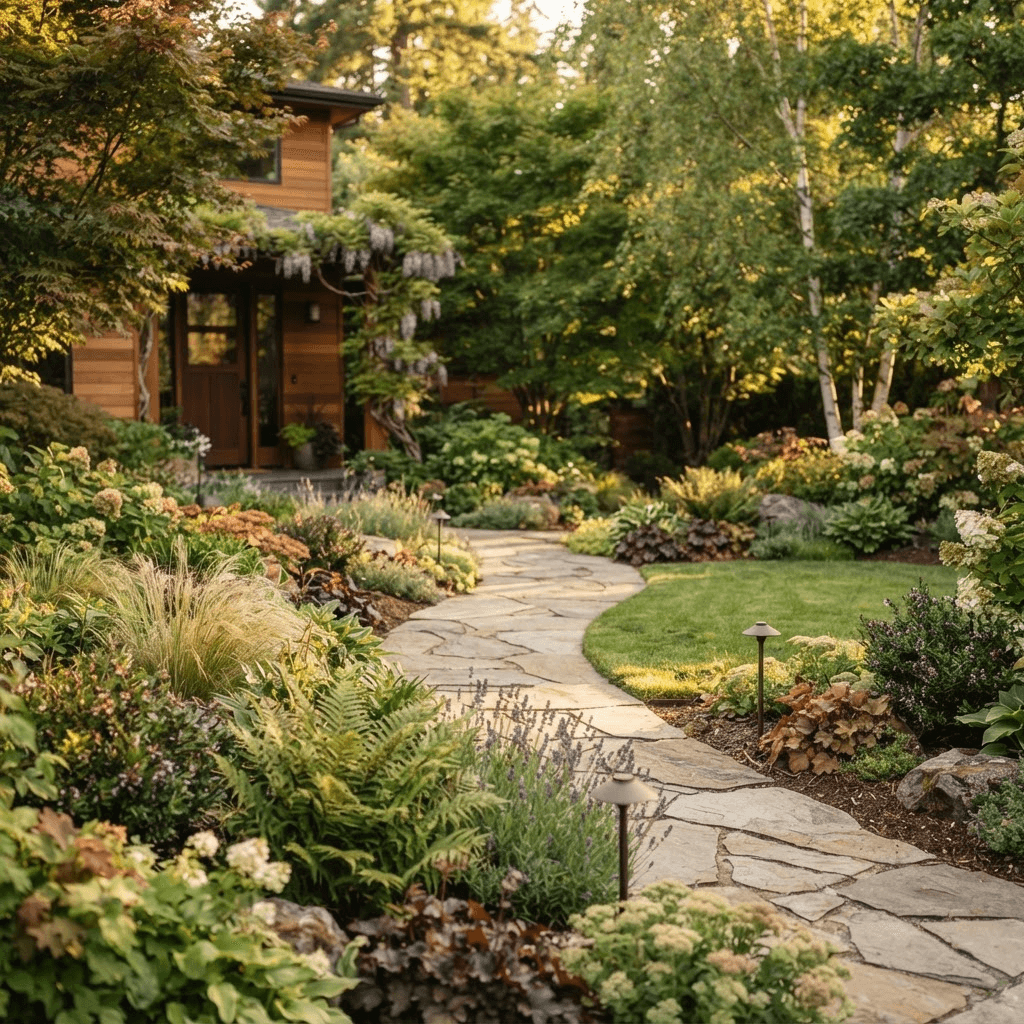
At its core, landscaping blends two elements: softscape and hardscape. Softscape refers to the living parts of a yard, such as lawns, trees, shrubs, and flower beds. Hardscape refers to the built elements, like patios, walkways, and retaining walls, that give a space structure.
Good Landscaping Starts With a Plan
Good landscaping starts with a plan. We look at how sunlight moves across the property, how water drains, and how you actually want to use the space before choosing plants or laying a single stone.
The Result
The result is an outdoor environment that is easier to maintain, kinder to the local ecosystem, and genuinely enjoyable to spend time in.
Why Landscaping Is Worth the Investment
Landscaping is often treated as a purely cosmetic upgrade, but its benefits run much deeper. A thoughtfully landscaped yard can raise a property's value by a meaningful margin, and homes with mature, well-kept landscapes tend to sell faster because curb appeal shapes a buyer's first impression before they ever step inside. Beyond resale value, landscaping cools your home by shading walls and windows, manages stormwater so it soaks into the ground instead of flooding hard surfaces, and creates comfortable outdoor rooms that effectively expand your living space. There is a wellbeing dividend too: access to greenery is consistently linked to lower stress and more time spent outdoors.
The Building Blocks of Landscape Design
Every good landscape is built from a small set of design elements that professionals balance almost instinctively. Line directs the eye and controls movement, whether through the sweep of a path or the edge of a bed. Form is the shape of plants and structures, from rounded shrubs to columnar trees. Texture, the coarseness or fineness of foliage and materials, adds contrast, while color sets mood and draws attention. Finally, scale keeps everything in proportion to the house and to the people using the space. When these elements work together, a yard feels intentional rather than accidental.
Common Types of Landscaping
Landscaping is not one single style but a family of approaches suited to different goals and climates. Residential landscaping focuses on comfort, beauty, and everyday use around a home. Sustainable or eco-friendly landscaping prioritizes native plants, reduced water use, and habitat for pollinators. Xeriscaping takes that further, designing specifically for dry climates with minimal irrigation. Commercial landscaping emphasizes durability and low maintenance for high-traffic properties. Understanding which category fits your goals helps you make choices that hold up over time rather than fighting your climate and lifestyle.
The Landscaping Process, Step by Step
Professional landscaping generally follows a predictable sequence. It begins with assessment, studying the site's sun, soil, drainage, and existing features. Next comes design, where a plan translates your needs into a layout of beds, hardscape, and plantings. Installation follows, typically building hardscape first, then planting, then adding irrigation and lighting. The final and ongoing phase is maintenance, the pruning, feeding, and seasonal care that keeps the investment looking its best. Skipping the early planning stages is the most common reason projects disappoint, because mistakes made on paper are far cheaper to fix than mistakes made in the ground.
Landscaping vs. Gardening vs. Hardscaping
These terms overlap, which causes confusion. Landscaping is the broad discipline of designing and shaping an entire outdoor space. Gardening is a subset focused specifically on cultivating plants, flowers, and vegetables. Hardscaping refers to the built, non-living components such as patios, walls, and walkways. A complete landscape almost always combines all three: hardscape provides the structure, plantings provide the life, and ongoing gardening keeps it thriving. Thinking of them as layers of the same project, rather than competing options, leads to more cohesive results.
How Much Does Landscaping Cost?
Landscaping costs vary enormously with scope, region, and materials, but a few benchmarks help set expectations. Simple refreshes like new mulch, a few shrubs, and clean edging can be done for a few hundred dollars. A mid-range project with new beds, a modest patio, and irrigation often runs into the thousands. Full redesigns with extensive hardscape, mature trees, lighting, and water features can reach tens of thousands. A widely cited guideline suggests budgeting roughly five to ten percent of your home's value for a complete landscape, phased over several seasons if needed to spread the cost.
For a figure based on your own lot rather than a national average, our landscaping cost calculator breaks the estimate down by component and by square foot.
Should You DIY or Hire a Professional?
Many landscaping tasks, planting beds, spreading mulch, installing edging, are well within reach of a motivated homeowner and offer real savings. Larger or more technical work, such as grading, retaining walls, drainage correction, and complex design, usually benefits from a professional who can prevent costly structural mistakes. A common middle path is to hire a designer for the master plan, then execute it yourself in stages. Being honest about your time, skills, and tools is the key to deciding where to draw the line.
Sustainable Landscaping and Why It Is Growing
Increasingly, homeowners are landscaping with the environment in mind, and the payoff is both ecological and practical. Choosing native and drought-tolerant plants slashes water use and maintenance while supporting local birds and pollinators. Permeable surfaces and rain gardens keep stormwater on site. Reducing lawn area cuts mowing, fuel, and fertilizer. Sustainable landscaping is not about sacrificing beauty, it is about designing a yard that largely takes care of itself and works with the local climate rather than against it.
Sustainable choices run through most modern projects, and you can see them applied throughout our landscaping knowledge base.
Frequently Asked Questions
What exactly does landscaping include? Landscaping includes everything involved in designing and shaping an outdoor space: the living softscape of lawns, trees, shrubs, and flowers, and the built hardscape of patios, walkways, walls, and lighting, along with the planning and maintenance that tie it all together.
Does landscaping increase home value? Yes. Quality landscaping is one of the few home improvements that can both raise resale value and speed up a sale, because it drives the crucial first impression and signals that the property is well cared for.
What is the difference between landscaping and gardening? Landscaping is the broad practice of designing an entire outdoor area, while gardening is the narrower activity of growing and tending plants. Gardening is one part of a complete landscape.
How do I start landscaping my yard? Begin with a plan rather than plants. Observe how sun and water move across your property, decide how you want to use each area, then design the layout before installing hardscape, plantings, and finishing touches in a logical order.