How to Find and Buy Agricultural Land for Sale
A step-by-step guide to finding and buying agricultural land, from defining your needs to evaluating soil and water, plus answers to common farmland-buying questions.
How to Find and Buy Agricultural Land for Sale
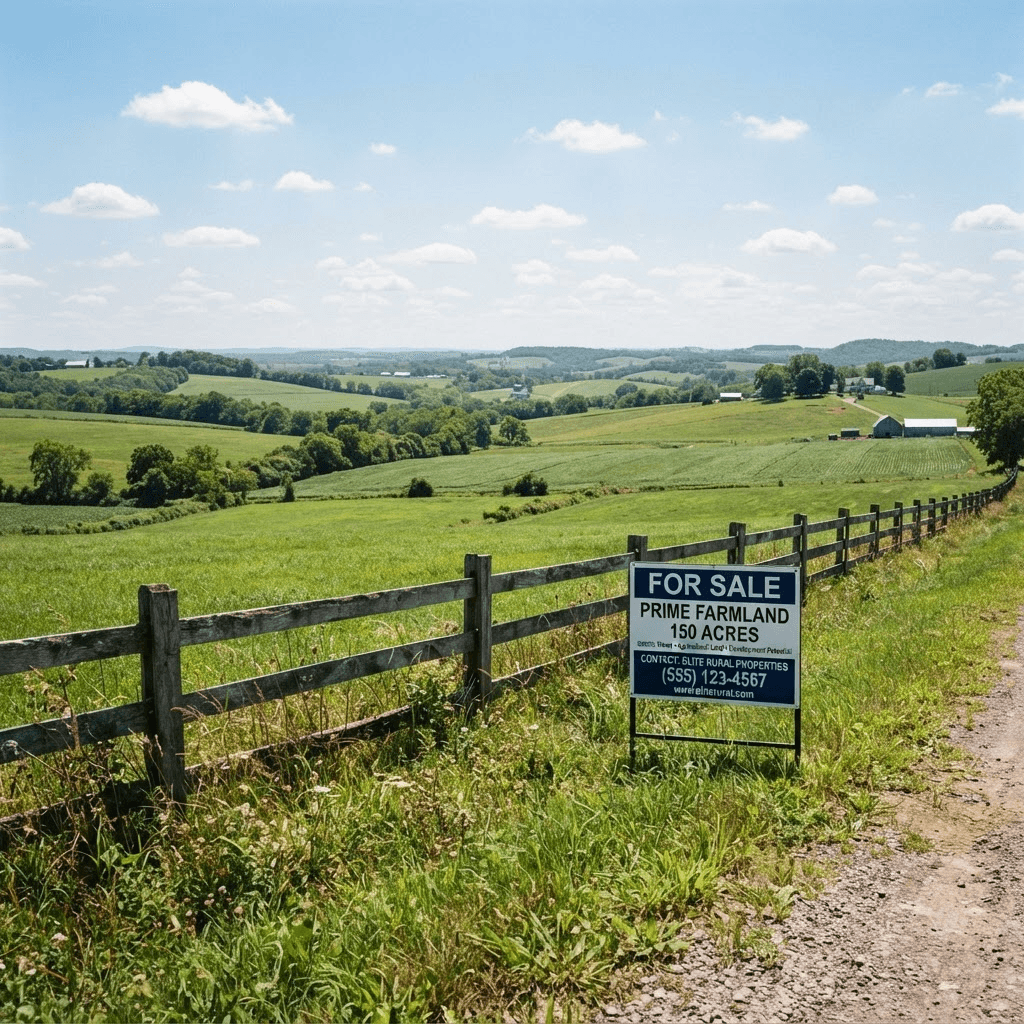
Buying agricultural land is one of the biggest and most consequential decisions a farmer or investor can make. Unlike a house, farmland has to actually perform, its soil, water, access, and location determine whether you can grow crops, raise animals, or turn a profit at all. That makes finding and buying the right parcel a process that rewards patience, research, and due diligence. Here's a practical, step-by-step guide to help you find, evaluate, and confidently purchase agricultural land.
Step 1: Define What You Need Before You Start Looking
Start by defining exactly what you need before you look at a single listing. Get clear on your purpose, row crops, livestock, orchard, specialty produce, or investment, because each demands different land characteristics.
Decide on:
- The acreage you require.
- Your budget, including not just purchase price but development and operating costs.
- Your preferred region.
- Your must-haves versus nice-to-haves, water access, soil quality, road frontage, existing structures.
Knowing this up front keeps you focused and prevents you from falling for a beautiful property that can't actually do what you need.
Step 2: Know Where to Find Agricultural Land for Sale
Next, know where to look, since farmland often trades differently than residential real estate. Useful sources include:
- Dedicated land and farm listing websites.
- Agricultural real estate agents and land brokers who specialize in rural property.
- Local classifieds and farm publications.
- Word of mouth within farming communities, many farms sell before ever being publicly listed.
- Auctions, both live and online, which are common for farmland, as are government and bank sales.
Working with a knowledgeable local land agent is often invaluable, since they understand regional prices, water rights, and the practical realities of the area.
Step 3: Evaluate the Land Itself
Once you find promising parcels, evaluate the land itself rigorously, this is where farmland buying really differs from other purchases.
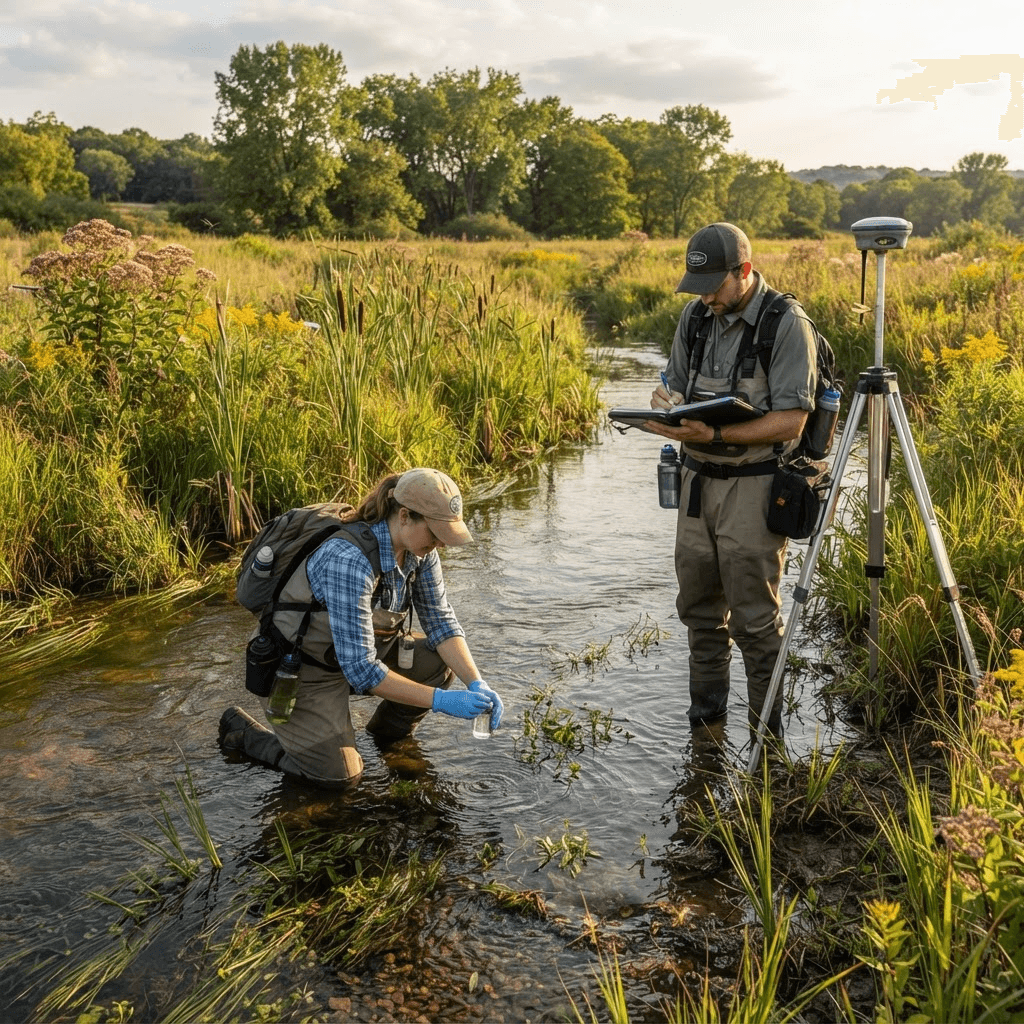
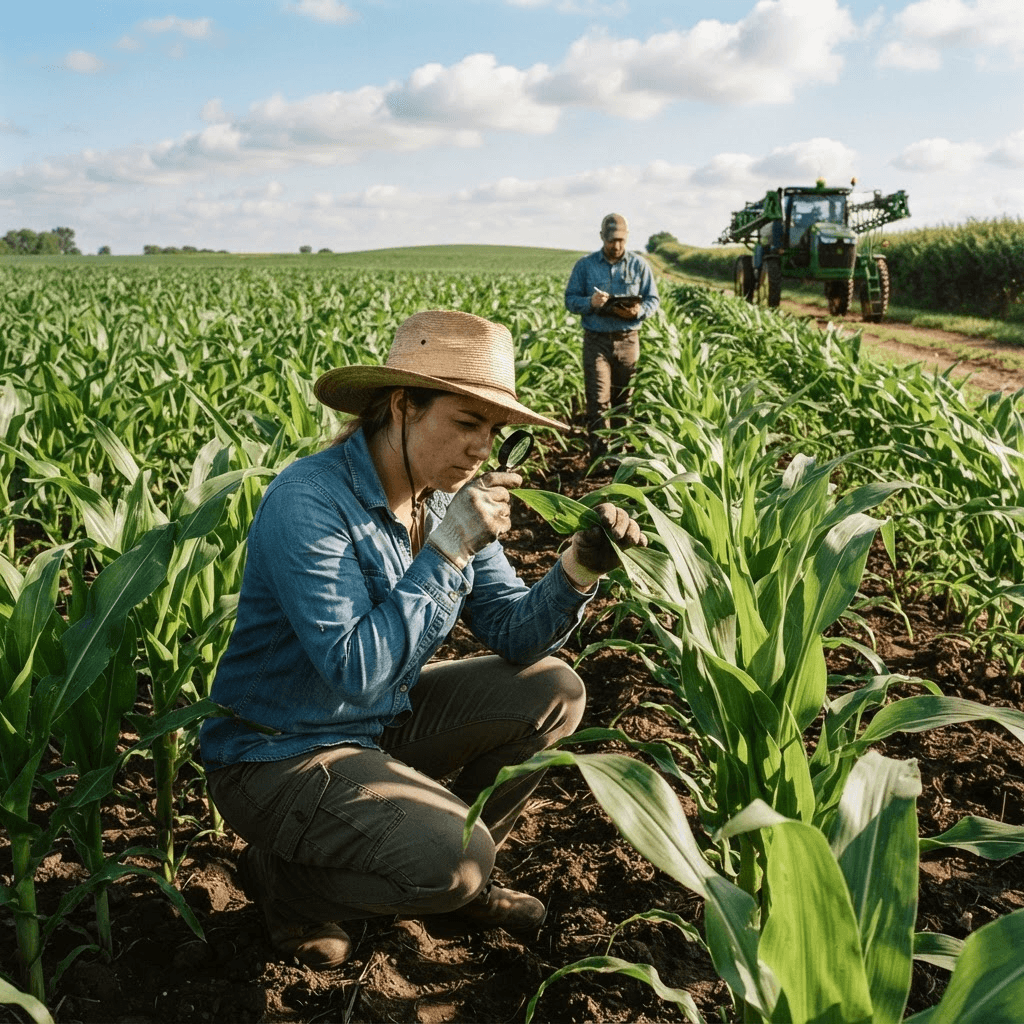
- Soil quality is paramount. Research the soil type, fertility, and drainage, and consider soil testing, since poor soil severely limits what you can grow.
- Water is equally critical. Confirm the water sources, wells, rivers, rights to irrigation, and crucially, the legal water rights, which in many regions are separate from and as important as the land itself.
- Assess topography, climate, and growing season.
- Check existing infrastructure, barns, fencing, irrigation, utilities.
- Confirm road access.
All of these factors affect what the land can produce and what you'll need to invest before it's productive.
Our crop suitability tool turns those soil and water findings into a ranked list of crops the parcel can realistically support.
Step 4: Legal and Financial Due Diligence
Then dig into the legal and financial due diligence, which protects you from costly surprises:
- Verify zoning and land-use regulations to confirm your intended use is allowed.
- Check for easements, liens, deed restrictions, or conservation covenants attached to the property.
- Investigate mineral rights and water rights, and whether they convey with the sale.
- Research the area's history and environmental concerns, such as contamination or flood risk.
It's wise to involve professionals here, a rural real estate attorney, a title company, and possibly a surveyor, to ensure the boundaries, title, and rights are exactly what you think they are.
Step 5: Financing and Closing the Deal
Finally, handle financing and close the deal wisely. Agricultural land often requires specialized financing: farm credit institutions, agricultural lenders, or government programs, like USDA loans in the U.S., frequently offer better terms for farm purchases than conventional mortgages, and beginning-farmer programs can help newcomers.
- Get pre-approved so you know your real budget.
- Make an offer informed by comparable land sales and the property's actual productive value.
- Negotiate contingencies into the contract, like soil tests, water verification, and inspections.
- Complete the closing with professional guidance once everything checks out.
Once the purchase closes, the planning work begins, and our farmland ownership guides cover what comes next.
Frequently Asked Questions About Buying Agricultural Land
How much does agricultural land cost per acre? Farmland prices vary enormously by region, soil quality, water access, and proximity to markets or development, sometimes by a factor of ten or more between areas. Rather than relying on a national average, get comparable sales data for your specific region and land type from a local agricultural real estate agent or appraiser, since that's the only figure that reflects what you'll actually pay.
Where can I find agricultural land for sale near me? Start with dedicated farm and land listing sites, a local land broker who specializes in agricultural property, and farm publications or classifieds specific to your region. Many parcels also sell through word of mouth or local auctions before they're ever publicly listed, so building relationships within the local farming community can surface opportunities you won't find online.
What should I check before buying farmland? At minimum, verify soil quality and type, confirm water sources and legal water rights, check zoning and permitted land use, and review the title for easements, liens, or restrictions. Skipping any of these can mean discovering after closing that the land can't legally or practically be used the way you intended.
Do I need a lawyer to buy agricultural land? While not always legally required, involving a rural real estate attorney is strongly recommended. Farmland transactions frequently involve water rights, mineral rights, easements, and zoning questions that a general-purpose real estate contract doesn't handle well, and an attorney familiar with agricultural property can catch issues a standard closing process would miss.
Can I get a loan specifically for buying farmland? Yes. Farm credit institutions and agricultural lenders offer loan products specifically designed for land purchases, often with terms better suited to agricultural cash flow than a conventional mortgage. In the U.S., USDA loan programs, including options aimed at beginning farmers, can offer favorable rates and terms for qualifying buyers.
How long does it typically take to buy farmland? Timelines vary widely depending on financing, due diligence findings, and how quickly title and water rights issues can be resolved, but agricultural land purchases often take longer than a typical residential sale because of the additional verification involved, soil testing, water rights confirmation, and sometimes surveying. Building extra time into your plans, and not rushing due diligence to hit an artificial deadline, protects you from the costliest mistakes.
The Bottom Line
Buy farmland this way, purpose-driven, thoroughly researched, and professionally vetted, and you'll be far more likely to end up with land that genuinely supports your farming goals for years to come.