Agricultural Land for Sale: What to Know Before Buying Farmland
What to know before buying agricultural land, soil quality, water rights, zoning, access, and title issues, so you avoid costly surprises after closing.
Agricultural Land for Sale: What to Know Before Buying Farmland
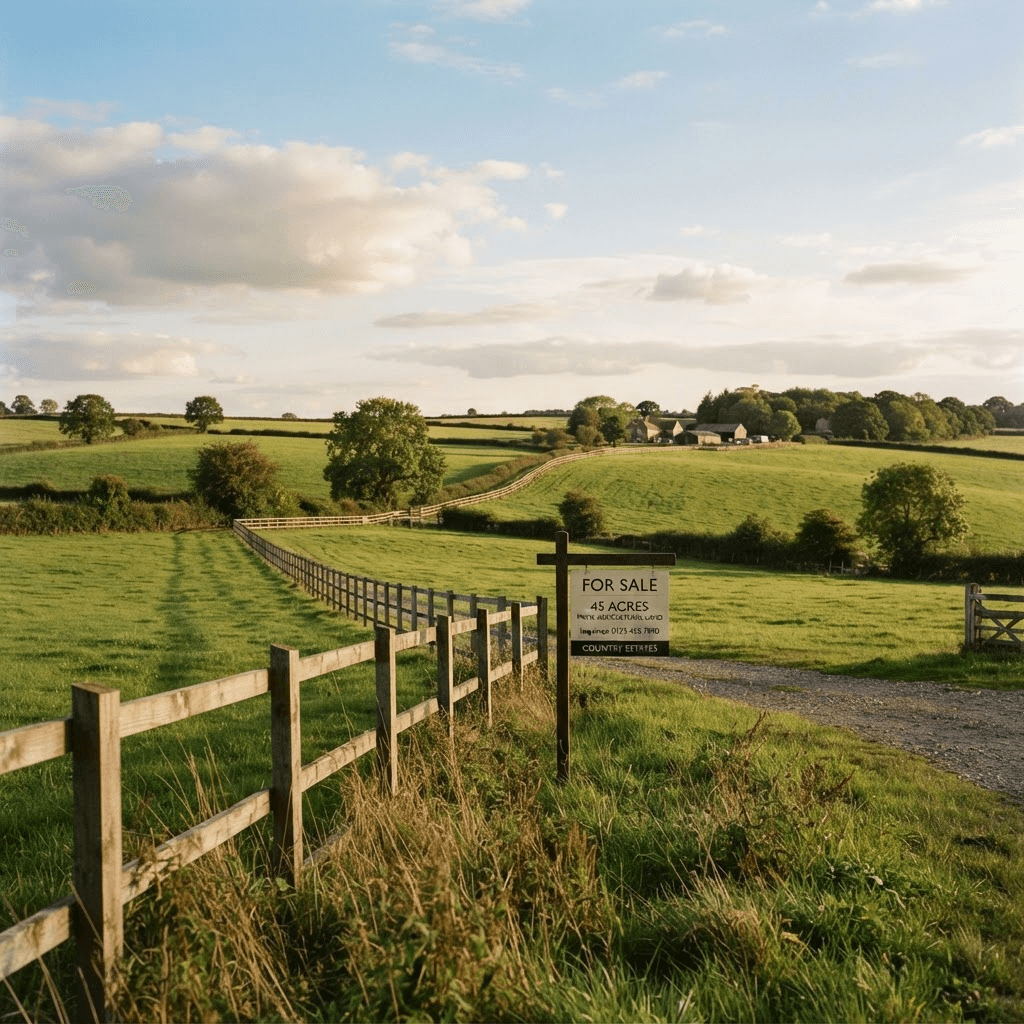
Buying agricultural land is a significant investment, and the sticker price is only part of the picture. A few key factors determine whether a parcel will actually serve your goals, and skipping any of them is how buyers end up with land that looks great on paper but can't actually do what they need.
Why Soil Quality Comes First
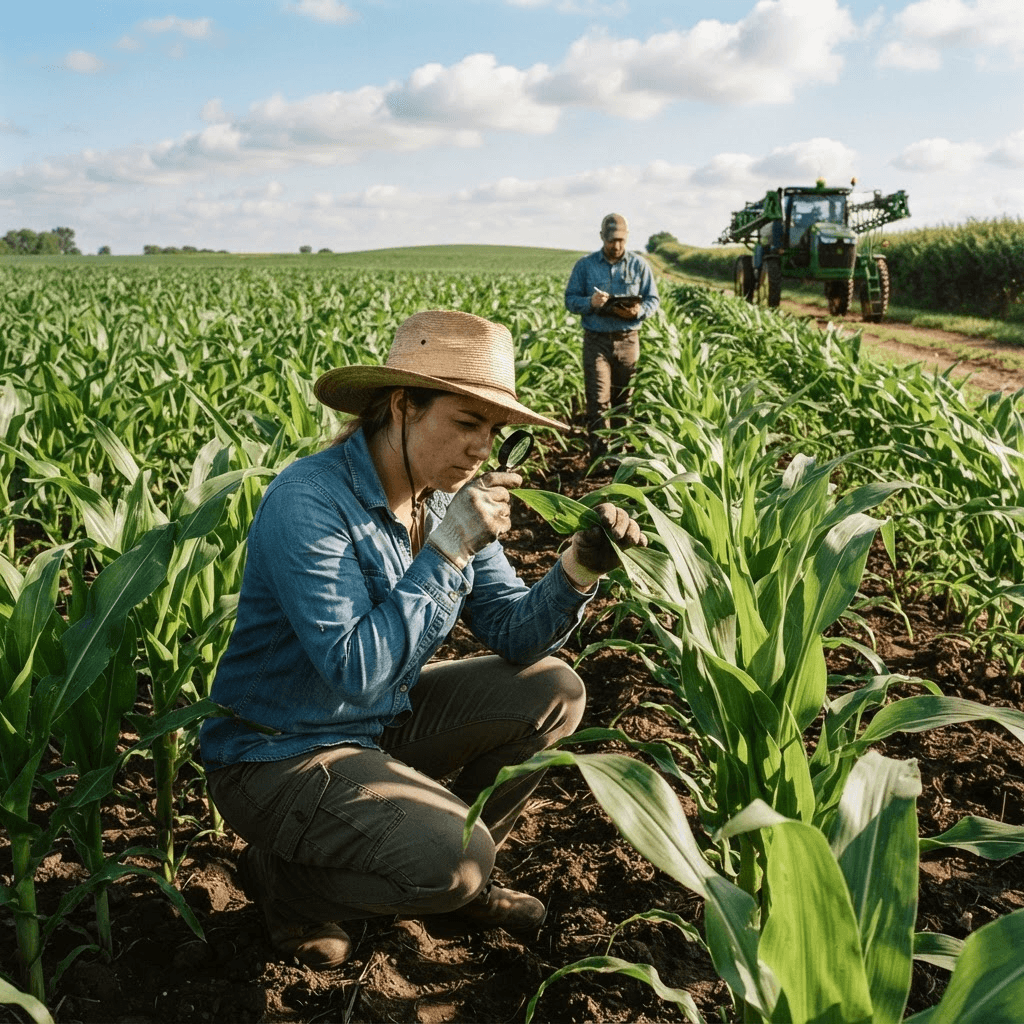
Soil quality comes first. The type and health of the soil dictate what you can grow and how productive the land will be, so a soil test is well worth the cost before purchase. Soil that looks fine on the surface can have poor drainage, low fertility, or contamination issues that only show up under proper testing, and by the time those problems become obvious in a failed crop, you've already closed on the property.
A basic soil test typically covers pH, major nutrients, and organic matter content, giving you a baseline for what the land can support and what amendments it might need. For larger purchases, it's worth paying for a more detailed soil survey, and checking whether the USDA or a local agricultural extension office already has soil classification data on file for the parcel, which can save you time and confirm what a seller tells you.
Once you know a parcel's soil texture and rainfall, our crop selection tool will show you which crops actually suit it before you commit to the purchase.
Water Rights and Irrigation Access
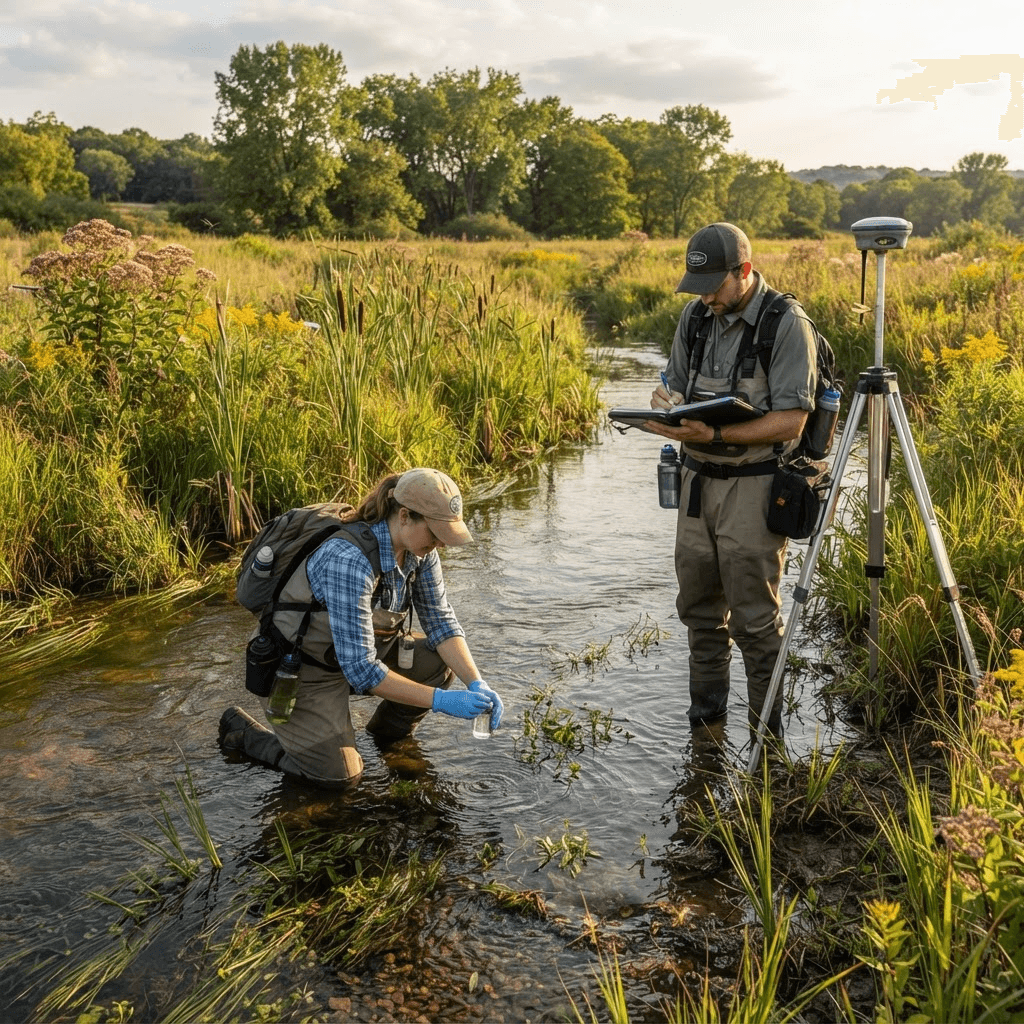
Water is equally critical: understand the water rights, well access, and irrigation options, since land without reliable water is far less valuable, regardless of how good the soil is. In many regions, water rights are legally separate from land ownership, meaning the person selling you the land may not actually be selling you the right to use the water on or under it.
Before buying, confirm:
- What water sources exist: wells, ponds, rivers, or access to irrigation districts.
- Whether water rights convey with the sale, and if so, how much water those rights actually entitle you to.
- The reliability of the source, since some wells or surface water rights are seasonal or subject to restrictions during drought.
- Any costs to develop water access, if the land doesn't already have what you need.
Water rights law varies enormously by region, so this is an area where a general real estate agent's assumptions can easily be wrong, and where specialized local knowledge really pays off.
Zoning and Land-Use Rules
Zoning and land-use rules determine what you are legally allowed to do, from farming to building structures or installing solar. Check these with the local authority rather than assuming, since a listing described as "agricultural" doesn't automatically mean every type of farming or every structure you might want is permitted.
Questions worth answering before you buy:
- Is your intended use, row crops, livestock, orchards, agritourism, explicitly permitted under current zoning?
- Are there restrictions on structures, like barns, greenhouses, or a residence, that you plan to build?
- Are there any pending zoning changes that could affect the property's future use?
- Does the parcel have any conservation easements or agricultural preservation designations that limit what can be done with it, sometimes in exchange for tax benefits?
Zoning and land-use questions are among the easiest to check and the most costly to discover after closing, so this step is never worth skipping to save time.
Road Access, Utilities, and Landlocked Parcels
Access also matters, including roads, utilities, and whether the parcel is landlocked. A beautiful, productive piece of land is far less useful, and far less valuable, if you can't legally or practically get equipment, deliveries, or your own vehicle to it.
Check specifically for:
- A legal, deeded right of access, not just a dirt path that happens to be there, since informal access can be revoked by a neighboring landowner.
- Road conditions and maintenance responsibility, particularly for rural or seasonal roads that may become impassable at certain times of year.
- Utility availability, electricity, and whether you'll need to run power a significant distance if you plan to build or irrigate with electric pumps.
- Whether the parcel is landlocked, meaning it has no direct access to a public road and depends entirely on an easement across someone else's property.
A landlocked parcel isn't necessarily a dealbreaker, but it requires a documented, legally enforceable easement, a verbal agreement with a neighbor is not something you want to rely on for something as important as accessing your own land.
Title History, Easements, and Liens
Finally, consider the land's history and any easements or liens attached to the title. A clean-looking listing can still come with legal baggage that transfers to you as the new owner if it isn't caught before closing.
Look into:
- Existing easements, which might grant utility companies, neighbors, or others a legal right to use part of your land, for a pipeline, power line, or shared driveway.
- Liens, which are financial claims against the property, unpaid taxes, contractor debts, or other obligations, that can follow the land even after a change in ownership if not resolved before closing.
- Mineral rights, which in many regions can be owned separately from the surface land, meaning someone else could have the legal right to extract minerals from beneath your farm.
- The property's history, including any past industrial, waste, or contamination issues that could affect soil or water safety.
A title search conducted by a title company or real estate attorney is the standard way to uncover these issues, and title insurance protects you financially if something significant was missed.
Working With a Rural Land Specialist
Working with an agent who specializes in rural property, and getting a proper survey, protects you from costly surprises after closing. General residential real estate agents, even good ones, often lack the specific knowledge of water rights, agricultural zoning, and soil evaluation that farmland purchases demand.
A rural land specialist can help you interpret soil and water data, understand local agricultural market conditions, and flag issues a generalist might miss entirely. A professional survey, meanwhile, confirms the actual boundaries of the property, which can differ meaningfully from what old deeds or informal fence lines suggest, and prevents boundary disputes with neighbors down the road.
How to Evaluate Whether the Price Is Fair
Beyond the due diligence checklist, it's worth understanding how farmland is actually valued, since agricultural land pricing works differently than residential real estate. Comparable sales of similar agricultural parcels in the immediate area, adjusted for soil quality, water access, and improvements, are the most reliable pricing benchmark, far more useful than a broad regional average. Productive capacity matters more than raw acreage: forty acres of prime, well-watered cropland can be worth significantly more than a much larger parcel of marginal or unimproved land. Existing infrastructure, fencing, irrigation systems, barns, wells, adds real value, since building these from scratch is a major expense you'd otherwise have to absorb after purchase.
Red Flags to Watch For
A few warning signs should prompt extra caution before moving forward with a farmland purchase. A seller who's reluctant to provide soil test results, water rights documentation, or a clear title history is one of the clearest signals something may be wrong. Pricing that's dramatically below comparable local land, without an obvious explanation like poor soil or access issues, often indicates a hidden problem rather than a genuine bargain. Pressure to close quickly, especially combined with reluctance to allow independent inspections or testing, is a pattern worth taking seriously rather than dismissing as simple urgency.
For the valuation and financing questions that sit alongside these checks, see our land due diligence resources.
Frequently Asked Questions About Buying Farmland
Do I need a soil test before buying agricultural land? It's strongly recommended, even though it isn't legally required. A soil test is a relatively small upfront cost compared to the risk of discovering after purchase that the land can't support what you intended to grow.
Are water rights always included when you buy farmland? Not necessarily. In many regions, water rights are legally distinct from land ownership and must be specifically verified and transferred as part of the sale, rather than assumed to come with the property automatically.
What is the biggest mistake first-time farmland buyers make? Skipping thorough due diligence, on soil, water rights, zoning, and title, in favor of moving quickly on a property that looks appealing. Farmland problems in these areas are often invisible at a glance and expensive to discover after closing.
Should I get a survey even if the seller provides a deed? Yes. A deed describes the property on paper, but only a professional survey confirms the actual physical boundaries on the ground, which can differ from old descriptions, especially on rural land that hasn't been surveyed in decades.
The Bottom Line
Farmland is unlike almost any other real estate purchase, since its value depends entirely on whether it can actually produce what you need it to. Verify the soil, the water, the zoning, the access, and the title before you buy, work with professionals who understand rural property specifically, and you'll avoid the costly surprises that catch so many first-time farmland buyers off guard.