Is Farming Profitable? How to Start a Farm in 2027
Farming can be profitable with the right strategy. A realistic look at farm profitability and a step-by-step guide to starting a farm in 2027.
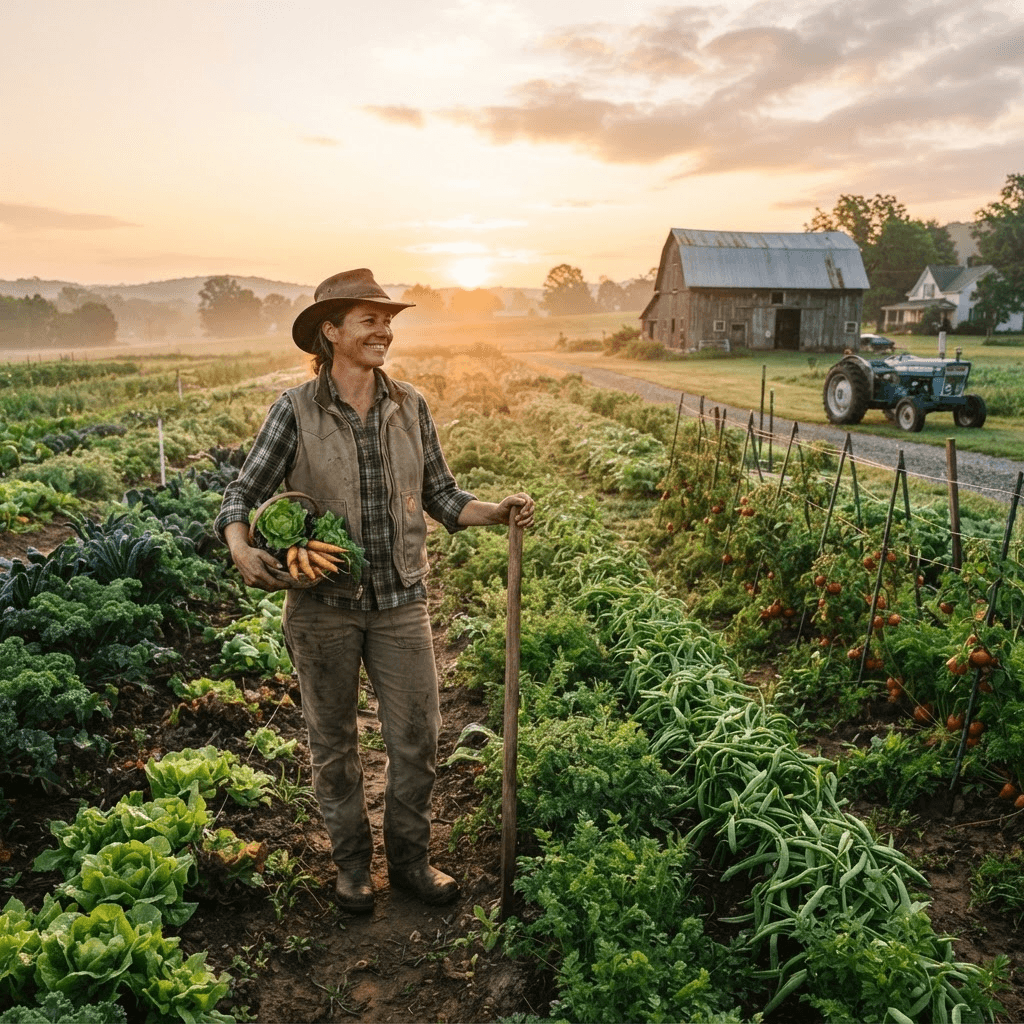
Is Farming Profitable? How to Start a Farm in 2027
"Is farming profitable?" is the first question anyone dreaming of a farm should ask, and the honest answer is: it can be, but profitability is far from automatic. Farming is a real business with thin margins, high upfront costs, and exposure to weather and markets, yet countless farmers build sustainable, profitable operations every year by being strategic rather than romantic about it. If you're thinking of starting a farm in 2027, understanding what actually drives profit, and how to launch smartly, matters more than ever.
Is Farming Profitable?
Let's tackle profitability head-on. Farming can absolutely be profitable, but success depends heavily on what you grow or raise, your scale, your efficiency, and, crucially, your marketing and business skills.
Commodity farming, large-scale grains and the like, runs on razor-thin margins and rewards scale and efficiency, which is tough for newcomers. Small and mid-sized farms tend to find better profitability in high-value niches, specialty produce, organic crops, direct-to-consumer meat and eggs, value-added products, or serving local restaurants and farmers markets, where they can capture more of the retail price. The most profitable farms treat farming as a business, not just a lifestyle, and manage costs, marketing, and diversification deliberately.
What Separates Profitable Farms From Struggling Ones
Several factors separate profitable farms from struggling ones:
- Choosing the right enterprise for your land, climate, and market demand.
- Finding a niche where you're not just another price-taker.
- Controlling costs, land, equipment, inputs, labor, and starting lean to protect you during the lean early years.
- Strong direct marketing: building a brand, selling directly to customers, and cutting out middlemen dramatically improves margins.
- Diversification, which spreads risk across multiple products or income streams.
- Efficiency, often aided by modern technology and good record-keeping, which squeezes more profit from every acre.
Farms that ignore the business side, no matter how good the growing, tend to fail.
Our farm profitability calculator builds a per-acre enterprise budget so you can see your break-even price and how much cushion you actually have.
Step 1: Research and Build a Business Plan
If you're ready to start a farm in 2027, begin with research and a solid business plan. Define what you want to produce and for whom, study your local market to confirm real demand, and write a business plan covering startup and operating costs, expected revenue, pricing, and a realistic timeline to profitability.
Get educated through agricultural extension programs, courses, books, and especially by working on or apprenticing at an established farm. Hands-on experience is invaluable and cheaper than learning entirely from your own costly mistakes.
Step 2: Secure Land, Resources, and Legal Foundations
Next, secure your land, resources, and legal foundations:
- Decide whether to buy or lease. Leasing lowers the huge barrier of land cost for beginners.
- Evaluate soil quality, water access, and infrastructure before committing to any parcel.
- Research zoning, permits, licenses, and regulations for your specific products.
- Choose a business structure.
- Line up financing through savings, loans, USDA or beginning-farmer programs, and grants that specifically support new farmers in many regions.
Then invest carefully in only the essential equipment and infrastructure to start, buying used or sharing equipment where possible to conserve precious startup capital.
Step 3: Start Small, Market Hard, and Scale as You Learn
Finally, start small, market hard, and scale as you learn. Launch with a manageable scale so you can master production and dial in your systems before expanding, and build your customer base early through:
- Farmers markets.
- A farm stand.
- CSA subscriptions.
- Social media.
- Relationships with local buyers.
Marketing is often what makes or breaks small-farm profitability. Keep meticulous financial and production records, embrace efficient and sustainable practices, and reinvest profits thoughtfully as you grow.
The Bottom Line
Farming in 2027 offers real opportunity, especially in local, sustainable, and value-added niches, but treat it as the serious business it is: plan well, start lean, market relentlessly, and grow deliberately, and you can build a farm that's both fulfilling and genuinely profitable.
The numbers depend heavily on what you grow and how you sell it, both covered in our farm business and profitability guides.
Frequently Asked Questions
Is farming profitable? Farming can be profitable, but it is not automatic. Commodity farming runs on thin margins and rewards scale, while small and mid-sized farms usually profit most in high-value niches like specialty produce, organic crops, or direct-to-consumer meat and eggs, treating the farm as a real business.
How do I start a farm in 2027? Start by choosing a profitable enterprise suited to your land and market, writing a business plan, securing land and only essential equipment, and beginning lean. Line up your sales channels early, direct-to-consumer and local markets protect margins, and grow gradually.
What is the most profitable type of farming? For newcomers, high-value niches tend to be most profitable: specialty and organic produce, direct-to-consumer meats and eggs, value-added products, and crops sold to local restaurants and farmers markets, where you capture more of the retail price.
How much does it cost to start a farm? It varies widely with land, scale, and enterprise. Land and equipment are the biggest costs, so many new farmers reduce startup costs by leasing land, buying used equipment, and starting small before expanding as revenue grows.