How to Raise Beef, Pigs, and Chickens (How to Start a Ranch)
Meta description: How to raise beef cattle, pigs, and chickens, and the steps to start a ranch, covering space, infrastructure, and what each animal needs to thrive.
How to Raise Beef, Pigs, and Chickens: A Guide to Starting a Ranch
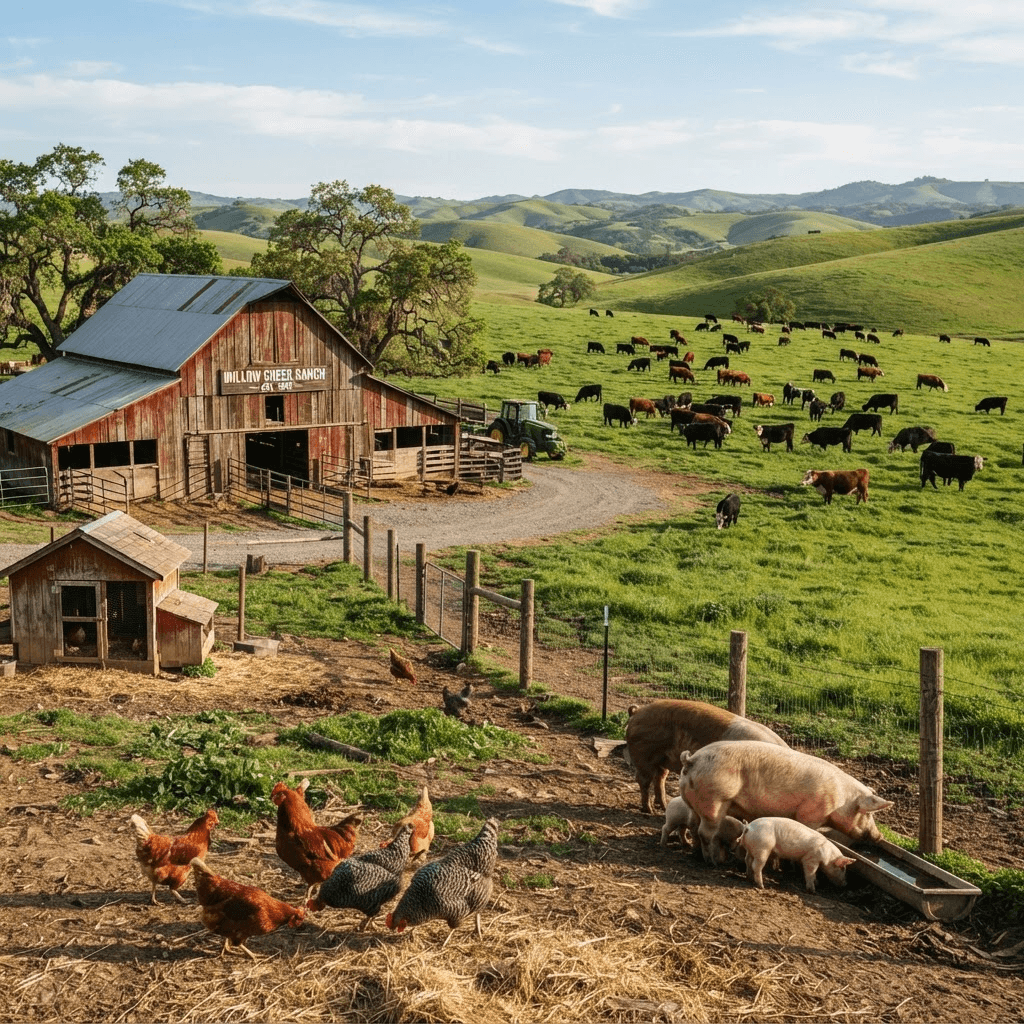
Raising your own livestock, beef cattle, pigs, and chickens, is a deeply rewarding pursuit that can feed your family, generate income, and connect you to the land. But each animal has its own needs, and starting a ranch takes planning, infrastructure, and commitment. Whether you dream of a small homestead or a working ranch, understanding the fundamentals of raising these three staple animals, and the steps to get started, sets you up for success and spares your animals, and your wallet, avoidable trouble.
How to Raise Beef Cattle
Beef cattle are the backbone of many ranches, and they need space above all. Cattle require good pasture for grazing, plenty of clean water, and shelter or windbreaks from harsh weather, and as a rule of thumb you'll need a meaningful amount of acreage per animal, depending on the quality of your grass and climate. Good fencing is non-negotiable to keep cattle contained and safe.
Beginners often start with a few weaned calves or feeder steers raised to market weight, which is simpler than managing a breeding herd. Cattle are a longer-term, higher-investment animal, they take many months to raise, but they convert grass into valuable beef and are relatively hardy with proper pasture, water, minerals, and veterinary care.
How to Raise Pigs
Pigs are efficient, fast-growing, and a great way to produce a lot of meat in less time and space than cattle. They need:
- A secure, sturdy enclosure, since pigs are strong and love to root and escape.
- Shade and a way to stay cool, often a wallow or mud area, since pigs can't sweat.
- Access to clean water at all times.
Pigs are omnivores with hearty appetites and grow quickly on quality feed, reaching market weight in a matter of months. Many beginners raise a couple of feeder pigs each season for meat, which avoids the complexity of breeding while delivering excellent returns on feed. Just plan for strong fencing and good sanitation, as pigs are smart, powerful, and messy.
How to Raise Chickens
Chickens are the ideal starter livestock, low-cost, low-space, and quick to reward you, whether you want eggs, meat, or both. Laying hens provide a steady supply of fresh eggs, while meat breeds (broilers) grow to butcher size in just weeks.
Chickens need:
- A predator-proof coop for shelter and roosting.
- Nesting boxes for layers.
- A safe run or pasture area.
- Constant access to feed and water.
They're inexpensive to get started with and forgiving of beginner mistakes, which is why so many new ranchers begin with a small flock to learn the rhythms of daily animal care before scaling up to larger animals.
How to Start a Ranch: Laying the Groundwork
Before bringing any animals home, lay the groundwork for your ranch:
- Define your goals and scale, meat, eggs, breeding, or a mix, and be honest about how much time, money, and land you have.
- Assess your property for adequate space, water sources, and drainage.
- Build or arrange essential infrastructure first: secure fencing, appropriate shelters, feed and water systems, and safe storage.
- Research local zoning laws, permits, and regulations, which can dictate what animals you may keep and how many.
- Line up feed suppliers and a livestock veterinarian in advance.
- Budget realistically for feed, healthcare, equipment, and unexpected costs.
Start Small and Grow Deliberately
Finally, start small, learn continuously, and grow deliberately. It's far wiser to begin with a modest number of animals, perhaps chickens first, then a couple of pigs, then cattle, than to over-extend before you understand the daily and seasonal demands of each species.
Learn the basics of nutrition, health, biosecurity, and humane handling, and keep good records of costs, weights, and breeding. Connect with local ranchers, extension offices, and agricultural resources for region-specific advice.
The Bottom Line
With solid planning, the right infrastructure, and a willingness to learn, raising beef, pigs, and chickens can grow from a rewarding hobby into a genuine, sustainable ranching operation.
For deeper detail on housing, feed, and herd health, browse our livestock and ranching guides.
Frequently Asked Questions
How do I start a ranch? Start by defining your goals and budget, securing suitable land with good pasture and water, and building the fencing and shelter your animals need. Begin small, often with a few beef cattle, feeder pigs, or a starter flock of chickens, and scale up as you gain experience.
How do you raise beef cattle? Beef cattle need ample pasture, clean water, mineral supplements, shelter from harsh weather, and strong fencing. Many beginners start with weaned calves or feeder steers raised to market weight, which is simpler than managing a full breeding herd.
Is it hard to raise pigs and chickens? Both are beginner-friendly. Pigs grow fast on quality feed and need a sturdy enclosure, shade, a wallow to stay cool, and constant water. Chickens need a predator-proof coop, feed, water, and nesting boxes, and reward you with eggs or meat quickly.
How much land do you need to start a ranch? It depends on the animals and your pasture quality and climate. Cattle need a meaningful amount of acreage per head, while pigs and chickens can be raised productively on much smaller plots, making them a practical starting point.