How to Start a Farm and Become a Farmer in 2027
Becoming a farmer is more achievable than you think with the right plan. A step-by-step guide to starting a farm and building the life in 2027.
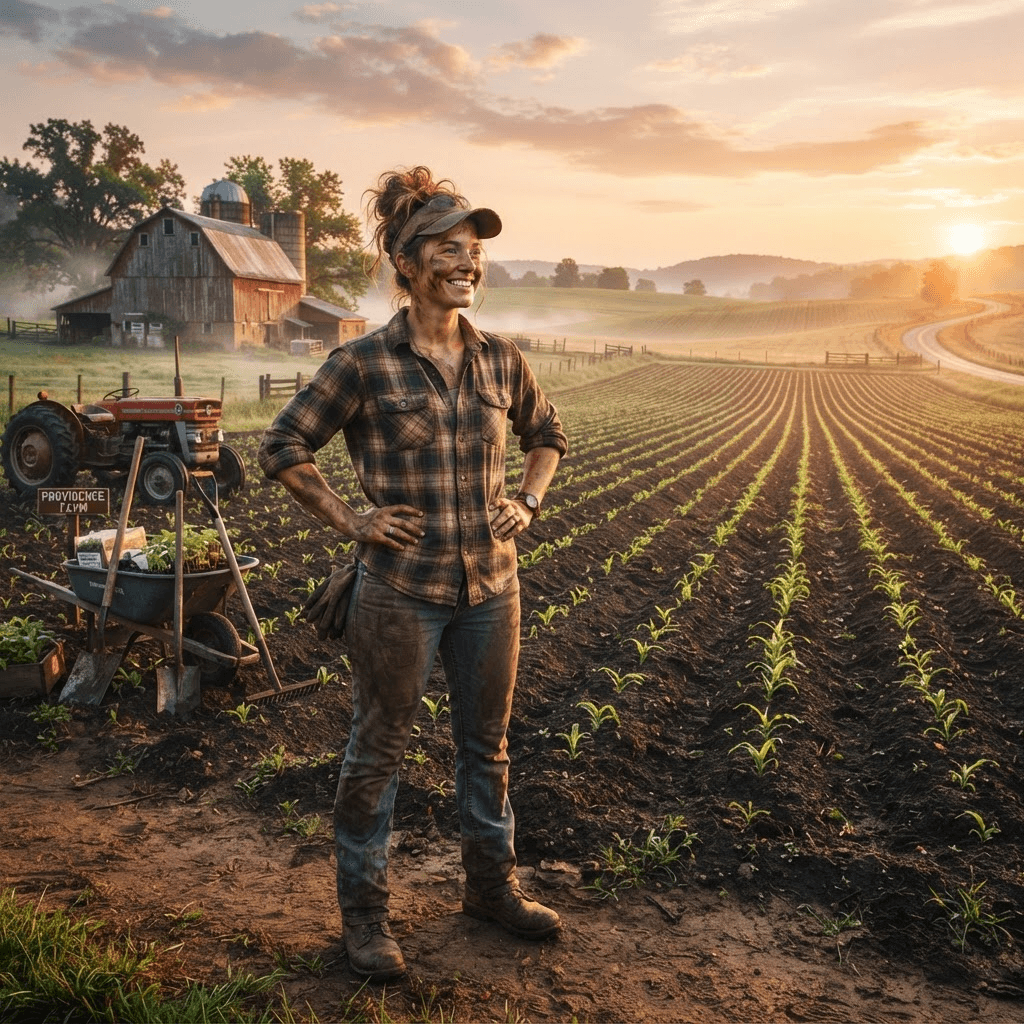
How to Start a Farm and Become a Farmer in 2027: A Step-by-Step Guide
Becoming a farmer is a dream for many people, a life connected to the land, growing real food, and building something with your own hands. But turning that dream into reality takes far more than passion; it requires planning, learning, capital, and grit. The good news is that 2027 is a genuinely promising time to start, with strong demand for local and sustainable food, helpful technology, and dedicated programs for new farmers. Here's a step-by-step guide to becoming a farmer and starting your own farm.
Step 1: Get Education and Hands-On Farming Experience
The first step is education and hands-on experience, and it's the one aspiring farmers most often skip at their peril. Before investing your savings, learn the craft:
- Read widely about farming methods, crops, and livestock relevant to your interests.
- Take agricultural courses or workshops, many offered locally or online.
- Tap into free resources from agricultural extension services.
- Get real experience, working, interning, or apprenticing on an established farm.
Working on an established farm for a season or two is invaluable. It teaches you the daily realities, physical demands, and countless practical lessons of farming while risking someone else's capital instead of your own. This experience will also help you decide what kind of farming truly suits you, since the difference between running a vegetable operation, a dairy, and a livestock farm is enormous, and each demands a different daily rhythm, skill set, and financial model.
Step 2: Choose Your Farm's Focus and Write a Business Plan
Second, choose your focus and write a business plan, because a farm is a business, not just a lifestyle. Decide what you'll produce, vegetables, fruit, livestock, eggs, dairy, specialty crops, or a mix, based on your interests, your market, and what's viable in your climate.
Then create a real business plan covering:
- Startup and operating costs.
- Projected revenue and pricing.
- Target customers.
- A realistic timeline to profitability.
Research your local market carefully to confirm there's genuine demand for what you plan to sell, and identify your sales channels, farmers markets, CSA subscriptions, restaurants, farm stands, or direct online sales. A business plan you actually use to make decisions, not just one written to satisfy a lender, is what separates farms that survive their first few years from those that don't. Revisit it at least once a season, since real-world numbers almost always differ from the projections you made before your first harvest.
Choosing that focus is easier with numbers in front of you, and our crop comparison tool weighs candidate crops against your season length, labor, and starting capital.
Step 3: Secure Farmland and Essential Resources
Third, secure land and resources. Land is often the biggest hurdle, so weigh your options carefully:
- Buying gives you permanence but requires major capital.
- Leasing dramatically lowers the barrier to entry and is how many new farmers begin.
Evaluate any land for soil quality, water access and rights, infrastructure, and zoning before committing, since problems in any of these areas can be expensive or impossible to fix later. A soil test and a clear understanding of water rights are worth the time even on land you're only leasing, since both directly determine what you can realistically grow. Beyond land, line up the essential equipment, water systems, and infrastructure you'll need. Buying used, sharing, or renting equipment early on conserves your precious startup capital rather than over-investing before you're generating income.
Step 4: Handle Financing, Legal Structure, and Permits
Fourth, handle the money and the legalities. Figure out your financing:
- Personal savings.
- Loans.
- Programs designed for new and beginning farmers, such as USDA loans and grants in the U.S., which can offer favorable terms and support specifically built for people in your position.
Establish your farm as a proper business entity, and research all the permits, licenses, zoning rules, and regulations that apply to your products and location. Food-safety and livestock rules in particular can be significant, and vary considerably depending on what you're producing and where you're selling it. Getting the financial and legal foundation right from the start protects you and your farm down the road, and it's far cheaper to set up correctly now than to fix a structural or compliance problem after you're already operating. A short consultation with an accountant or attorney familiar with agricultural businesses is often money well spent before you sign a lease or purchase equipment.
Step 5: Start Small, Market Relentlessly, and Grow Deliberately
Finally, start small, market relentlessly, and grow deliberately. Launch at a manageable scale so you can master your production systems, learn from mistakes, and refine your operation before expanding, over-extending too early is one of the most common ways new farms fail.
From day one, invest heavily in marketing and building relationships with customers, since for most small farms, selling is just as important as growing. Embrace efficient, sustainable practices and modern tools where they make sense, keep meticulous records, connect with other farmers and local agricultural networks for support, and reinvest thoughtfully as you gain traction.
Common Mistakes New Farmers Make
A few patterns show up again and again among new farms that struggle. Underestimating startup costs, particularly the gap between when expenses begin and when real revenue arrives, catches many first-year farmers off guard; budgeting for a longer runway than you think you need is almost always wise. Scaling production before securing reliable sales channels leaves farmers with excess product and no buyer, which is why building your market alongside your production, not after it, matters so much. Skipping the business plan entirely, treating the farm purely as a passion project rather than an enterprise with real numbers, tends to catch up with people once the initial excitement fades. And trying to do everything at once, multiple crops, livestock, value-added products, and direct sales, all in year one, spreads a new farmer too thin to do any of it well.
Resources for Beginning Farmers
New and beginning farmers don't have to figure everything out alone. In the U.S., agricultural extension offices, typically run through land-grant universities, offer free or low-cost classes, soil testing, and one-on-one guidance tailored to your region and crops. The USDA's beginning farmer programs include not just loans but mentorship and training resources aimed specifically at people in their first ten years of farming. Local farming associations, sustainable agriculture networks, and farmer cooperatives are also worth seeking out early, both for practical knowledge and for the kind of peer support that helps you get through a difficult first season without giving up.
The Bottom Line
Becoming a farmer in 2027 is absolutely achievable. If you approach it with education, a solid plan, financial prudence, and the patience to start small and grow, you can build not just a farm, but a genuine and rewarding farming life.
Every step above has more behind it, and our guides for new farmers cover land, financing, and first crops one at a time.