Landscape Maintenance and Weed Control Guide
A practical guide to keeping your landscape healthy and weed-free, from seasonal upkeep routines to prevention-first weed control that actually works.
Landscape Maintenance and Weed Control Guide
A beautiful landscape isn't a one-time project; it's the result of consistent, well-timed maintenance. The good news is that most upkeep is simple and predictable once you understand the rhythm of the seasons and the single most important truth about weeds: preventing them is far easier than fighting them. This guide covers both the routine maintenance that keeps a yard healthy and the weed control strategy that keeps it looking clean.
Maintenance Basics That Apply All Year
Start with the maintenance basics that apply all year. Water deeply and infrequently to encourage deep roots rather than shallow, thirsty growth, and always water in the early morning to reduce evaporation and disease. Mow at the right height for your grass type, keeping blades sharp and following the one-third rule.
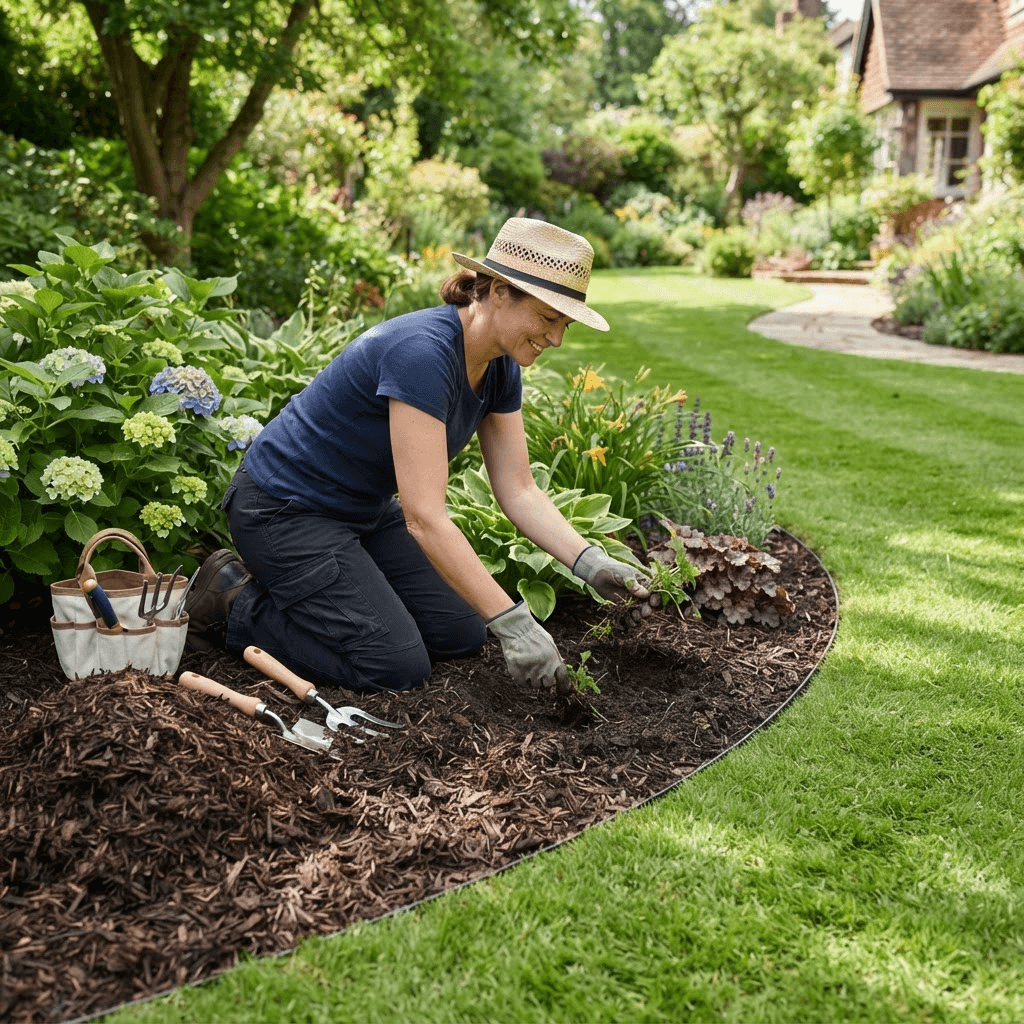
Prune shrubs and trees to remove dead or crossing branches and maintain shape, and refresh mulch in beds once or twice a year to protect soil and suppress weeds. These habits, done consistently, prevent most of the problems that turn into big weekend chores later.
A Seasonal Rhythm Worth Planning Around
Maintenance also follows a seasonal rhythm worth planning around:
- Spring — clean up winter debris, cut back dead growth, apply a pre-emergent weed treatment, refresh mulch, and begin feeding as plants wake up.
- Summer — focus on consistent watering, regular mowing, deadheading spent flowers, and spot-treating weeds before they spread.
- Fall — rake leaves, aerate and overseed cool-season lawns, apply the year's most important fertilizer feeding, and cut back perennials.
- Winter — do structural pruning on dormant trees, plan next year's projects, and keep tools clean and sharp for spring.
Prevention Is the Smartest Weed Strategy
When it comes to weeds, the smartest strategy is prevention, and the best weed control is a thick, healthy landscape. Dense, well-fed turf and full planting beds simply don't leave bare ground for weeds to colonize, so much of your weed control happens indirectly through good mowing, watering, and feeding.
A two-to-three-inch layer of mulch in beds blocks the sunlight weed seeds need to germinate, and landscape fabric under gravel and stone areas stops weeds in hardscape. Prevention like this does more than any spray.
Matching Your Method to the Weed
For the weeds that do appear, match your method to the situation. Hand-pulling is ideal for small infestations and works best when the soil is moist and you get the entire root, especially for taproot weeds like dandelions. Mulching smothers weeds in beds.
When you need chemical help, understand the two types: pre-emergent herbicides are applied before weeds sprout and stop seeds from germinating, making them a key spring (and fall) preventive tool, while post-emergent herbicides kill weeds that are already growing. Spot-treat problem areas rather than blanketing the whole yard, always follow label directions, and choose selective products that target weeds without harming your grass or plants.
Timing Tips That Make Weed Control More Effective
A few timing tips make weed control far more effective:
- Apply pre-emergents at the right moment, before the weed seeds germinate, since they do nothing once weeds are already up.
- Tackle weeds early and often, because a young weed is easy to remove and one allowed to flower will drop hundreds of seeds for next year.
- Never let weeds go to seed if you can help it — deadheading or pulling them before they set seed dramatically reduces the following season's crop.
Bringing It All Together
Put it all together and landscape maintenance becomes a manageable routine rather than an endless battle. Consistent watering, mowing, pruning, and mulching keep the landscape healthy, a prevention-first approach starves weeds of the space they need, and targeted, well-timed treatment handles the stragglers. Stay a little ahead of the work with the seasons, and your yard will reward you with healthy plants and clean, weed-free beds all year long.
Understanding How Weeds Spread
Effective weed control starts with understanding the enemy. Weeds spread in two main ways: by seed, which can lie dormant in soil for years and blow in from surrounding areas, and by roots or runners that creep underground to form new plants. Annual weeds like crabgrass complete their life cycle in a season and rely on seeds, while perennial weeds like dandelions and bindweed return from persistent roots. Knowing which type you are fighting shapes your strategy, since seed-spreaders are stopped before they sprout, while rooted perennials must be removed completely or they regrow from any fragment left behind.
The Power of Prevention
The easiest weed to control is the one that never grows, so prevention is the foundation of any low-maintenance landscape. A thick, healthy lawn crowds out weeds by denying them light and space, making proper mowing, feeding, and watering your first line of defense. In beds, a two- to three-inch layer of mulch smothers weed seeds and blocks the light they need to germinate, while landscape fabric under gravel or mulch adds a further barrier. Pre-emergent herbicides, applied at the right time, stop weed seeds from sprouting before they ever become a visible problem.
Manual and Mechanical Control
For weeds that do appear, physical removal remains one of the safest and most effective methods. Hand-pulling works well for isolated weeds, especially in moist soil that releases the entire root, and a variety of hand tools make removing taprooted weeds like dandelions easier. Hoeing slices off young weeds in beds before they establish, and regular, shallow cultivation disrupts seedlings. The key is persistence and timing: removing weeds while they are young, before they flower and set seed, prevents the next generation and steadily shrinks the weed population season over season.
Using Herbicides Wisely
When cultural and manual methods are not enough, herbicides can help, but they should be used thoughtfully. Pre-emergent products prevent seeds from germinating and are applied before weeds appear, while post-emergent products kill weeds that are already growing. Selective herbicides target specific weeds without harming desirable plants like turfgrass, whereas non-selective products kill nearly anything they touch. Always read and follow the label, apply on calm days to avoid drift, and spot-treat rather than blanket-spraying whenever possible to protect beneficial plants, pollinators, and the surrounding environment.
Building a Seasonal Maintenance Routine
Lasting weed control comes from a consistent routine rather than occasional heroic efforts. In early spring, apply pre-emergent and refresh mulch before weeds wake up. Through the growing season, pull or spot-treat weeds while they are small and keep the lawn thick and well-fed. In fall, clean up spent growth and address perennial weeds while they are drawing energy into their roots. Regular, light attention, a few minutes of weeding each week, prevents the overwhelming midsummer takeover that comes from neglect and keeps the whole landscape healthy and tidy year-round.
For the rest of the seasonal calendar, from feeding to pruning, see our lawn and landscape maintenance guides.
Frequently Asked Questions
What is the best way to control weeds? Prevention is most effective: a thick lawn, generous mulch, and well-timed pre-emergent herbicides stop most weeds before they start. For those that appear, pull them young or spot-treat before they set seed.
What is the difference between pre-emergent and post-emergent herbicides? Pre-emergent herbicides prevent weed seeds from germinating and are applied before weeds appear, while post-emergent herbicides kill weeds that are already actively growing. Many programs use both at different times.
How do I stop weeds without chemicals? Smother weed seeds with mulch, block them with landscape fabric, keep a dense healthy lawn, and pull or hoe weeds while young and before they seed. Persistence and good timing shrink the weed population naturally.
Why do weeds keep coming back? Weed seeds can survive in soil for years, and perennial weeds regrow from roots left behind. Consistent prevention, removing weeds before they seed, and fully extracting rooted perennials break the cycle over time.