Metal Landscape Edging (How to Border Your Garden)
Why metal landscape edging holds up better than plastic, and a step-by-step guide to installing it around garden beds in a weekend.
Metal Landscape Edging (How to Border Your Garden)
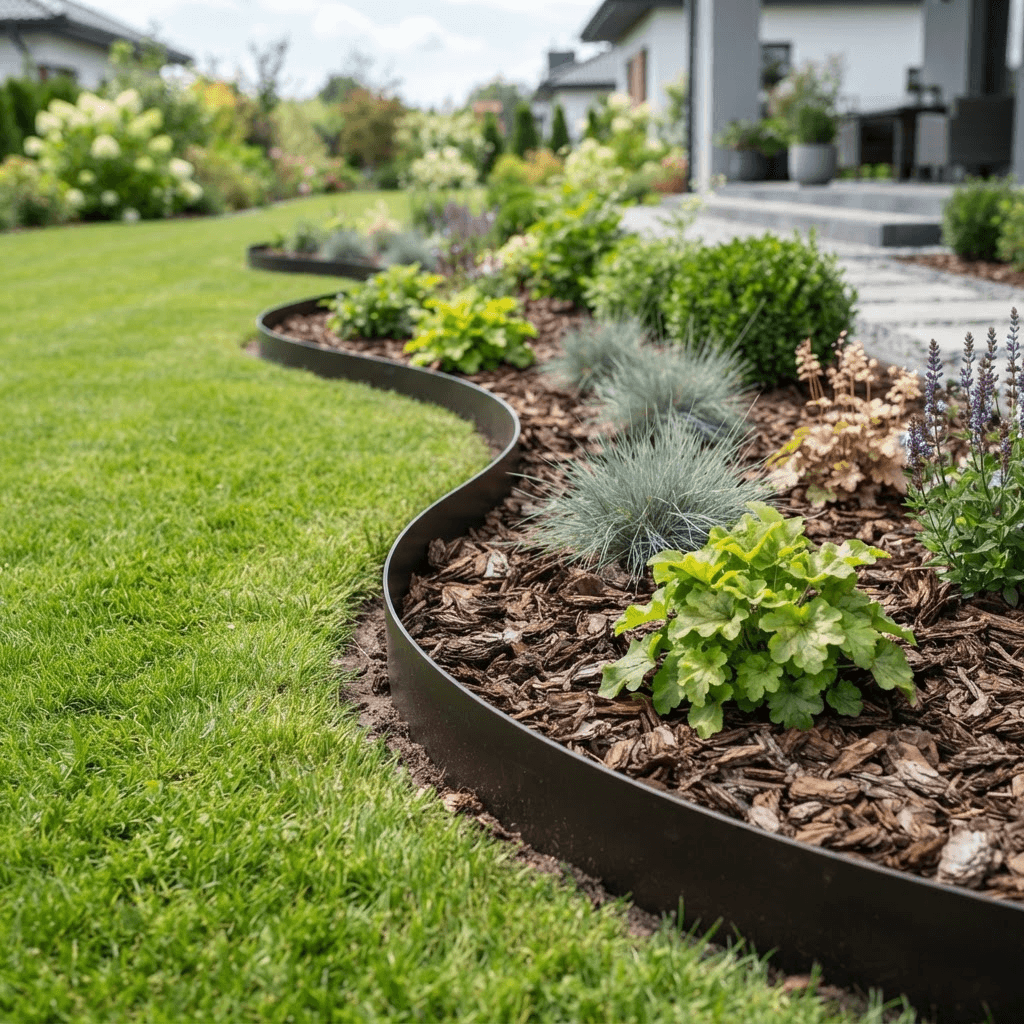
A clean, defined edge is one of those details that instantly makes a garden look cared for. Landscape edging creates a physical border between your planting beds and the lawn, path, or gravel beside them, and among the many materials available, metal edging has become a favorite for its sleek look and durability. It's the difference between beds that blur messily into the grass and beds that read as sharp, intentional shapes.
What Edging Actually Solves
Edging does more than look good; it solves real problems. It keeps mulch, gravel, and soil contained inside the bed instead of spilling onto the lawn, and it forms a barrier that stops grass and aggressive plants from creeping in where you don't want them.
That means less time spent re-edging with a spade and hand-pulling runners every few weeks. A good border essentially locks in all the work you put into a bed.
Why Metal Stands Out
Metal edging, usually steel or aluminum, stands out for a few reasons. It's thin, so it creates a nearly invisible line that lets the plants and materials be the stars rather than the border itself. It's strong and long-lasting, resisting the cracking and heaving that plague plastic edging in freeze-thaw cycles.
And because it's flexible, it bends smoothly around curves while still holding a crisp straight line where you need one. Steel offers a natural weathered patina or powder-coated colors, while aluminum is lighter and won't rust, making both excellent long-term choices.
Lay Out the Border
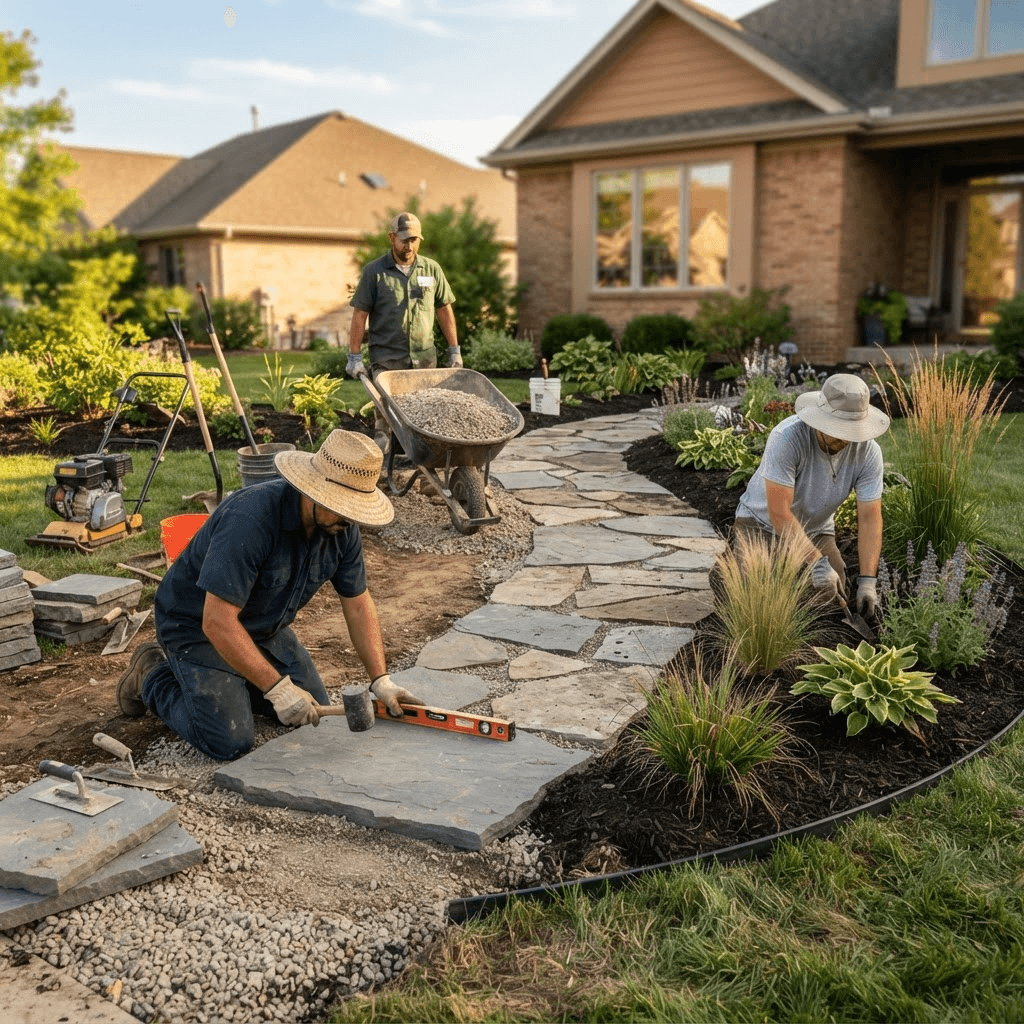
Installing metal edging is a very doable weekend project. Start by laying out the border, using a garden hose or spray paint to mark the line so you can preview the curves and shape before you commit.
Then dig a narrow trench along that line, deep enough that the top of the edging will sit at your desired height, usually just above soil level so it can still corral mulch. A half-moon edger or a flat spade makes clean trenching easy.
Set, Connect, and Stake the Edging
Next, set the edging into the trench and connect the sections — most metal edging uses overlapping ends or connector sleeves so pieces join seamlessly. Drive the included stakes through the built-in loops or slots and down into the soil to lock everything in place; these stakes are what keep the edging from shifting or being pushed up over time.
Check that the top edge runs at a consistent height as you go, adjusting the trench depth rather than forcing the metal.
Backfill and Finish
Finally, backfill along both sides and tamp the soil firmly so the edging stands straight and secure, then add your mulch or gravel up to the border. Step back and you'll see the payoff immediately: a clean, professional line that defines the whole bed. With metal edging in place, your garden borders will hold their crisp shape for years with almost no upkeep, a small installation effort that pays off every time you look at the yard.
Why Choose Metal Edging Over Other Materials
Metal landscape edging has become a favorite for a reason: it delivers the crispest, most durable border of any common edging material. Compared with plastic, which can crack, fade, and heave out of the ground, metal stays put and holds a clean line for decades. Compared with brick or stone, it is far cheaper, quicker to install, and nearly invisible, letting plants and lawn take center stage. Its thin profile creates a sharp separation between bed and turf that looks intentional and modern, which is why designers reach for it when they want definition without visual clutter.
Steel, Aluminum, and Corten Compared
Not all metal edging is the same, and the metal you choose shapes both look and longevity. Galvanized or powder-coated steel is the strongest and best for holding tight curves and resisting mower abuse, though raw steel will eventually rust. Aluminum is lighter, never rusts, and is easier to bend and install, making it ideal for intricate shapes, but it dents more easily. Corten or weathering steel is prized for its rich rusted-orange patina that actually protects the metal beneath, giving a warm, architectural look. Matching the metal to your climate, budget, and desired aesthetic ensures the border performs as well as it looks.
Step-by-Step Installation Tips
Installing metal edging well is straightforward with a little care. Start by laying out the line with a hose or spray paint, then cut a narrow trench along it to the depth of the edging. Set the strips so the top sits just above soil level, low enough to mow over yet high enough to block grass runners, then connect sections with their interlocking sleeves or stakes. Drive the anchoring stakes at an angle for maximum hold, and backfill firmly on both sides. For curves, steel bends smoothly around a gentle radius, while tight corners may need a cut and overlap. Proper trenching and staking are what keep the edging from heaving over time.
Keeping Edges Crisp Over Time
One of metal edging's biggest advantages is how little upkeep it demands. Once installed at the right height, it forms a permanent barrier that keeps grass from creeping into beds and mulch from spilling onto the lawn, sharply reducing hand-edging chores. An occasional check after hard freezes ensures no section has heaved, and a tap with a rubber mallet resets anything that has shifted. Powder-coated and aluminum options need essentially no maintenance, while raw steel simply weathers to its patina. This low-maintenance durability is the payoff for the modest effort of installing it correctly.
Where Metal Edging Works Best
Metal edging shines wherever you want a clean, lasting boundary. It is ideal for separating lawn from planting beds, defining gravel or mulch paths, containing raised beds, and outlining tree rings. Its flexibility suits both the sharp straight lines of modern designs and the flowing curves of naturalistic gardens. It is less suited to holding back significant grade changes, where a true retaining wall is needed, or to purely decorative borders where homeowners want the visible bulk of stone or brick. Knowing its strengths helps you deploy it where it delivers the most value.
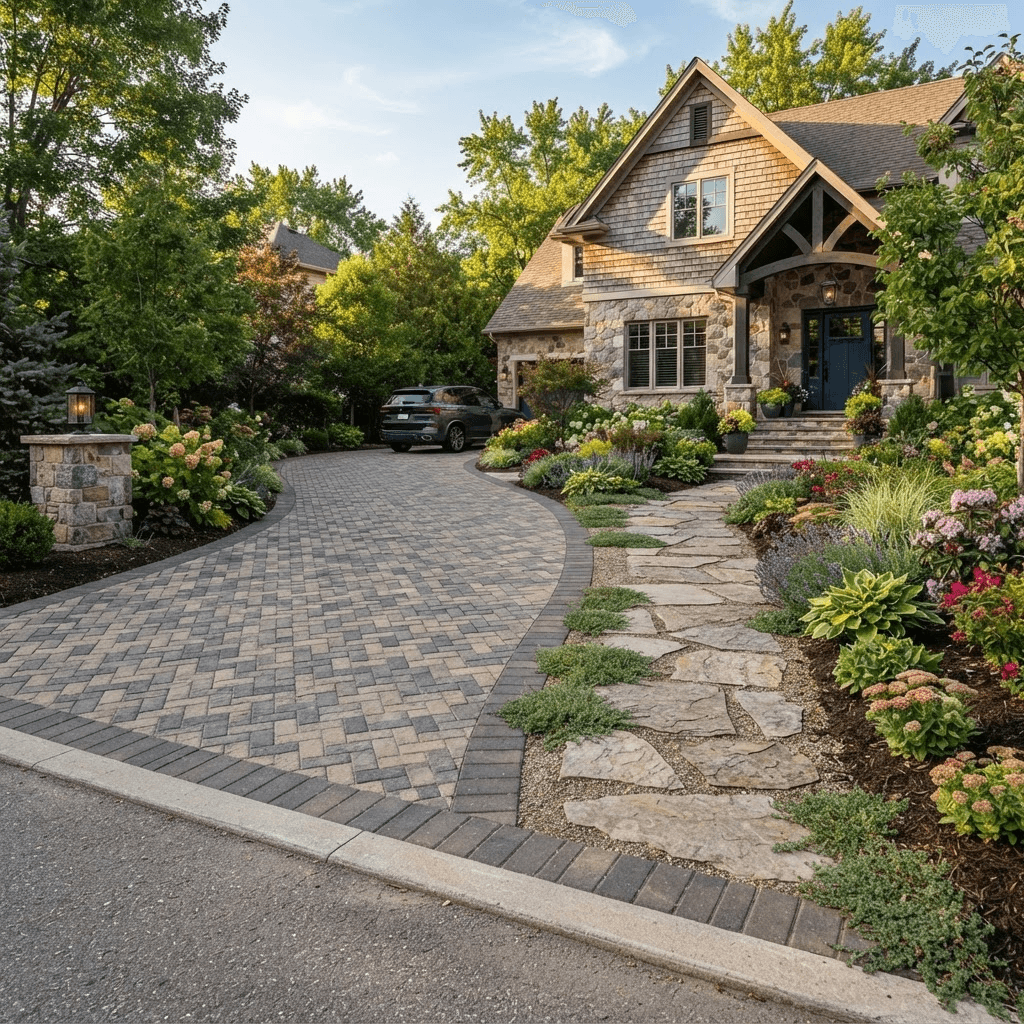
For the beds and paths these borders are meant to contain, browse our garden edging and border guides.
Frequently Asked Questions
Is metal landscape edging better than plastic? Generally yes. Metal holds a crisper line, resists cracking and fading, and lasts far longer than plastic, which tends to heave and degrade. Metal costs more up front but usually proves the better long-term value.
Does metal edging rust? Raw and Corten steel develop rust, in Corten's case a protective decorative patina, while galvanized, powder-coated steel and aluminum resist rust for many years. Choose the finish that matches the look and durability you want.
How deep should metal edging be installed? Set it so the top sits just above the soil line, low enough to mow over, with the body trenched to its full depth and anchored with angled stakes so it resists frost heave and stays put.
Can metal edging be used for curves? Yes. Steel bends smoothly around gentle curves and aluminum is even easier to shape, making metal edging well suited to both straight modern lines and flowing garden curves. Tight corners may require a cut and overlap.