The Shift in Agriculture: How Farming Is Changing in the Modern Era
Farming is undergoing a quiet revolution, driven by technology, climate pressure, and a push toward sustainability. Here is what is changing.
The Shift in Agriculture: How Farming Is Changing in the Modern Era
Agriculture is in the middle of one of the biggest transformations in its history. The pressures of a growing population, climate change, and finite resources are reshaping how food is grown.
A few major forces are driving this shift:
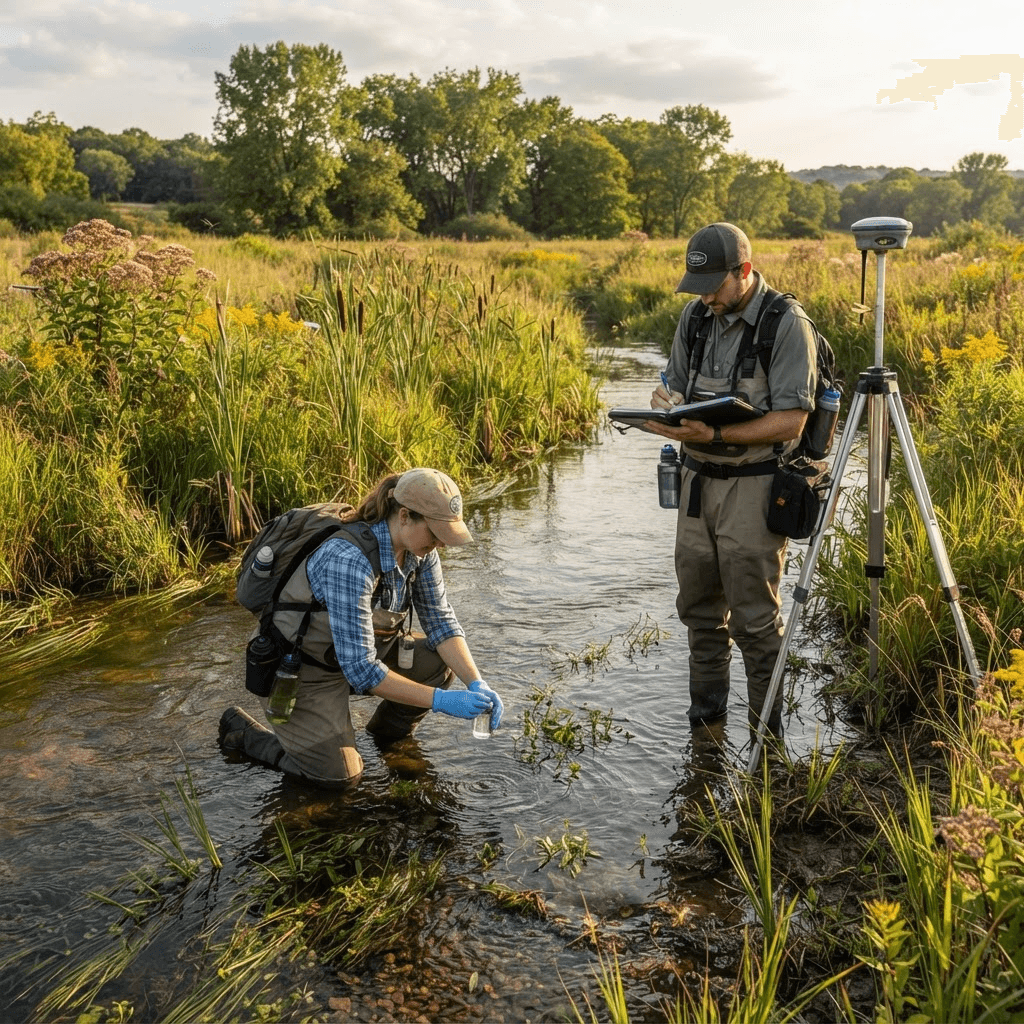
- Data-driven farming: sensors, satellites, and software now help growers understand their fields in fine detail, allowing them to apply water, fertilizer, and effort exactly where they are needed rather than uniformly across a field.
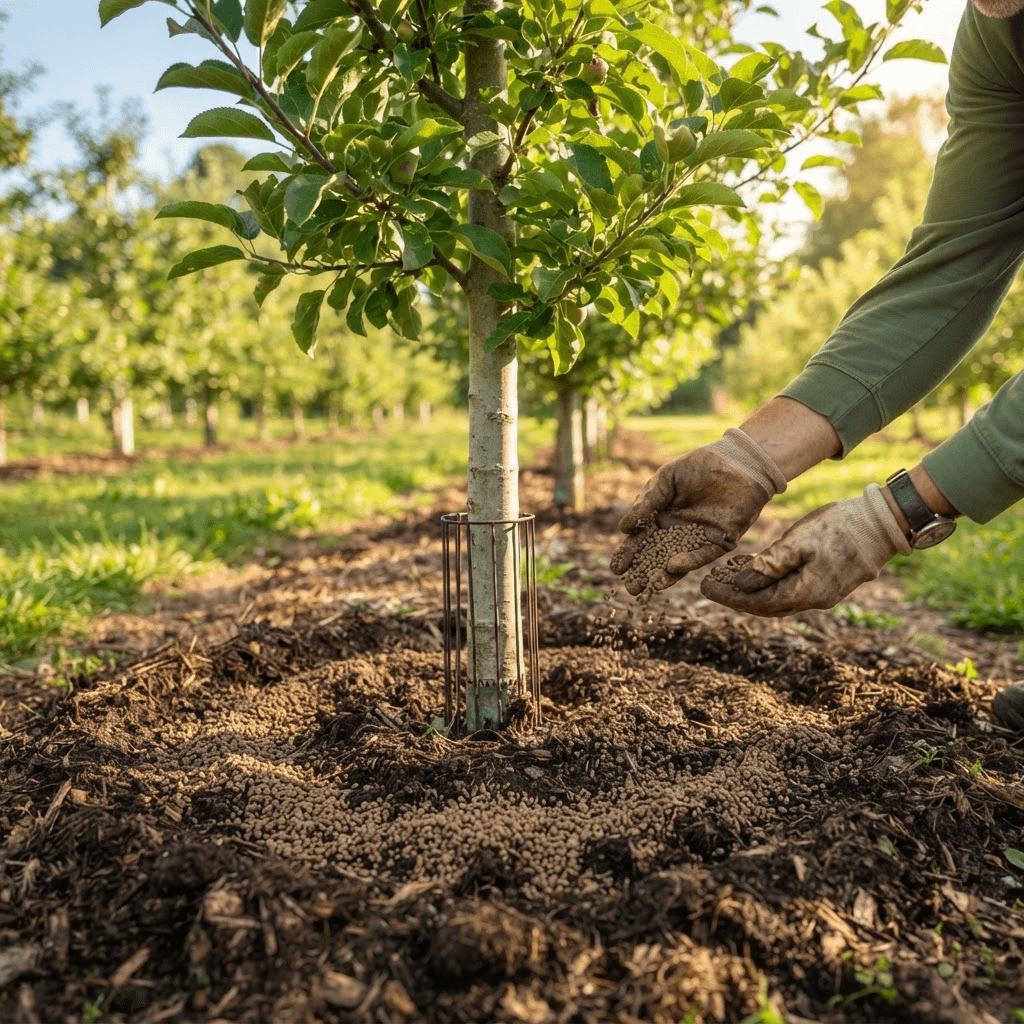
- Sustainability: practices like cover cropping, reduced tillage, and renewable-powered equipment are helping farms cut emissions and protect soil for future seasons, with solar-powered irrigation and electrified machinery becoming increasingly common.
- Local and regenerative agriculture: renewed interest in shorter supply chains and soil-first practices is reshaping how and where food gets grown.
Together, these trends point to a future where farming produces more while depending less on scarce resources.
From Manual Labor to Mechanization
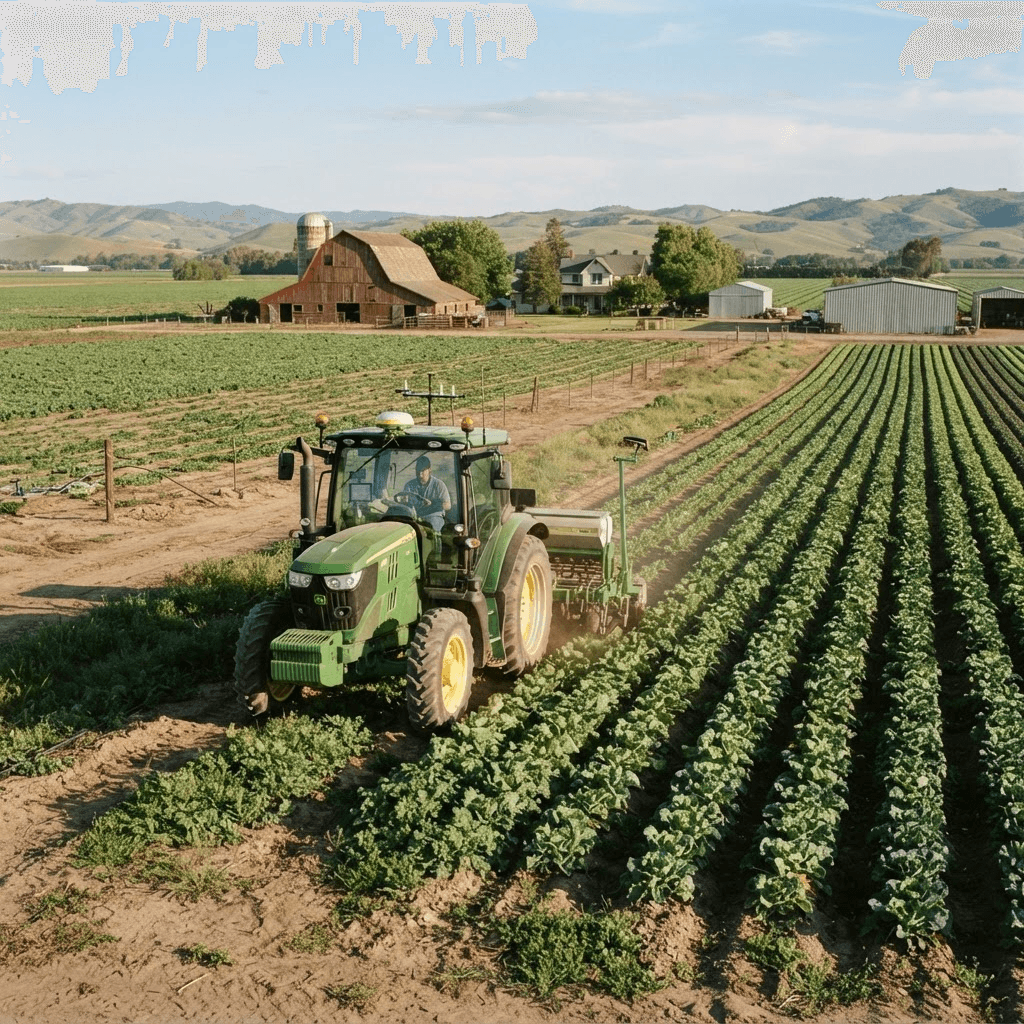
The most visible shift in modern agriculture has been the replacement of human and animal labor with machines. Tractors, combines, and specialized implements let a single operator accomplish what once required dozens of workers, dramatically expanding the area one farm could cultivate.
This mechanization raised output per worker, lowered the cost of food, and freed much of the population from field labor, reshaping rural economies and driving migration to cities. It also increased the capital required to farm, tilting the balance toward larger operations that could spread machinery costs over more acres.
The Green Revolution and Its Legacy
Mid-twentieth-century breakthroughs in plant breeding, synthetic fertilizers, and chemical pest control, collectively the Green Revolution, transformed yields around the world. High-yielding crop varieties responsive to fertilizer and irrigation multiplied harvests and helped feed a rapidly growing global population, averting predicted famines.
Yet the same intensive model brought consequences that shape today's debates: dependence on chemical inputs, soil degradation, water depletion, and a narrowing of crop diversity. Modern agriculture still grapples with how to keep the productivity gains while addressing the environmental costs they carried.
The Digital and Data Revolution
Today's defining shift is toward data-driven, precision farming. GPS-guided tractors, field sensors, drones, and satellite imagery let farmers monitor and manage crops at the level of individual sections of a field rather than treating it as one uniform block.
Software analyzes yield maps, soil moisture, and weather to guide exactly where and when to plant, water, and apply inputs. This precision reduces waste, trims costs, and lightens environmental impact by applying resources only where they are needed, marking a move from broad, uniform practices to targeted, information-rich management.
Toward Sustainability and Resilience
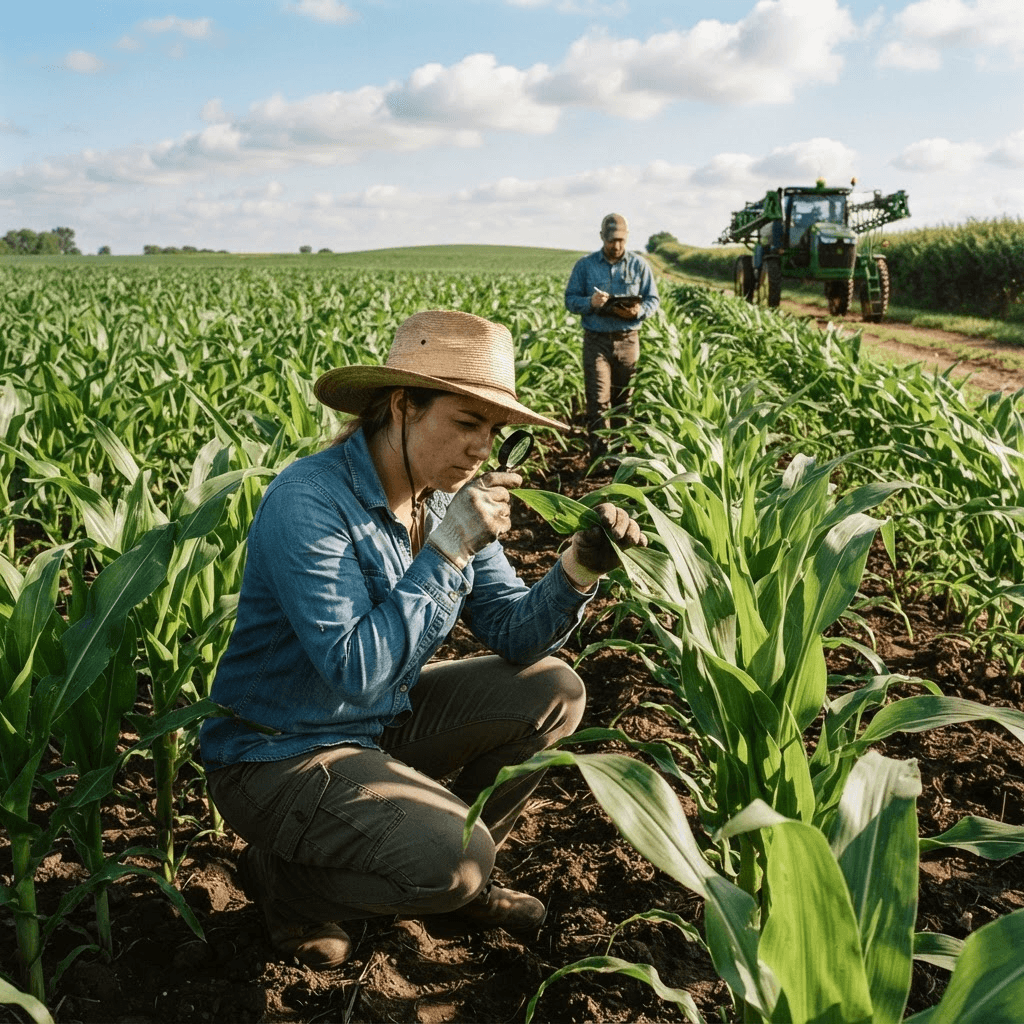
Alongside technology, a philosophical shift is underway toward sustainability. Concerns over climate change, soil health, and resource limits have revived interest in practices like cover cropping, reduced tillage, crop rotation, and integrated pest management, often blended with modern tools.
Regenerative agriculture aims not just to sustain but to rebuild soil and ecosystems, while consumer demand for organic and traceable food reshapes markets. The modern era increasingly asks farming to balance high productivity with long-term environmental and economic resilience rather than pursuing yield alone.
Structural and Economic Changes
The business of farming has shifted as profoundly as its methods. Consolidation has produced fewer, larger farms, global trade has connected local growers to worldwide markets, and complex supply chains now link field to table across continents.
Farmers navigate commodity prices, contracts, and specialty markets, and many diversify into direct sales, value-added products, or agritourism to stay viable. These structural changes mean the modern farmer is as much a manager, marketer, and technologist as a grower, reflecting how far agriculture has moved from its traditional roots.
Each of these shifts is worth following on its own, as our modern farming trend analysis does.
Frequently Asked Questions
What are the biggest changes in modern agriculture? The shift from manual labor to mechanization, the Green Revolution's high-yield crops and chemical inputs, the rise of precision and data-driven farming, and a growing move toward sustainability and larger, consolidated operations.
What was the Green Revolution? The Green Revolution was a mid-twentieth-century transformation in which high-yielding crop varieties, synthetic fertilizers, and pesticides sharply raised harvests worldwide, helping feed a growing population but also increasing input dependence and environmental strain.
What is precision agriculture? Precision agriculture uses GPS, sensors, drones, and data analysis to manage crops at a fine scale, applying seed, water, and inputs exactly where needed. It cuts waste and cost while reducing environmental impact.
Why are farms getting larger? Mechanization and technology raised the capital needed to farm and rewarded spreading those costs over more acres, driving consolidation into fewer, larger operations that can invest in equipment and compete in global markets.