Top 10 California Landscape Ideas
Ten ideas for a water-wise California landscape, from native plants and succulents to arid design, fire safety, and drip irrigation.
Top 10 California Landscape Ideas
California's climate rewards a particular kind of landscape, one that embraces sun, tolerates drought, and works with the land rather than against it. The most beautiful California yards aren't lush imitations of wetter regions; they're designs that lean into the state's Mediterranean and arid conditions. Here are ten ideas to build a yard that looks great and sips water instead of guzzling it.
1. Plant California Fuchsia
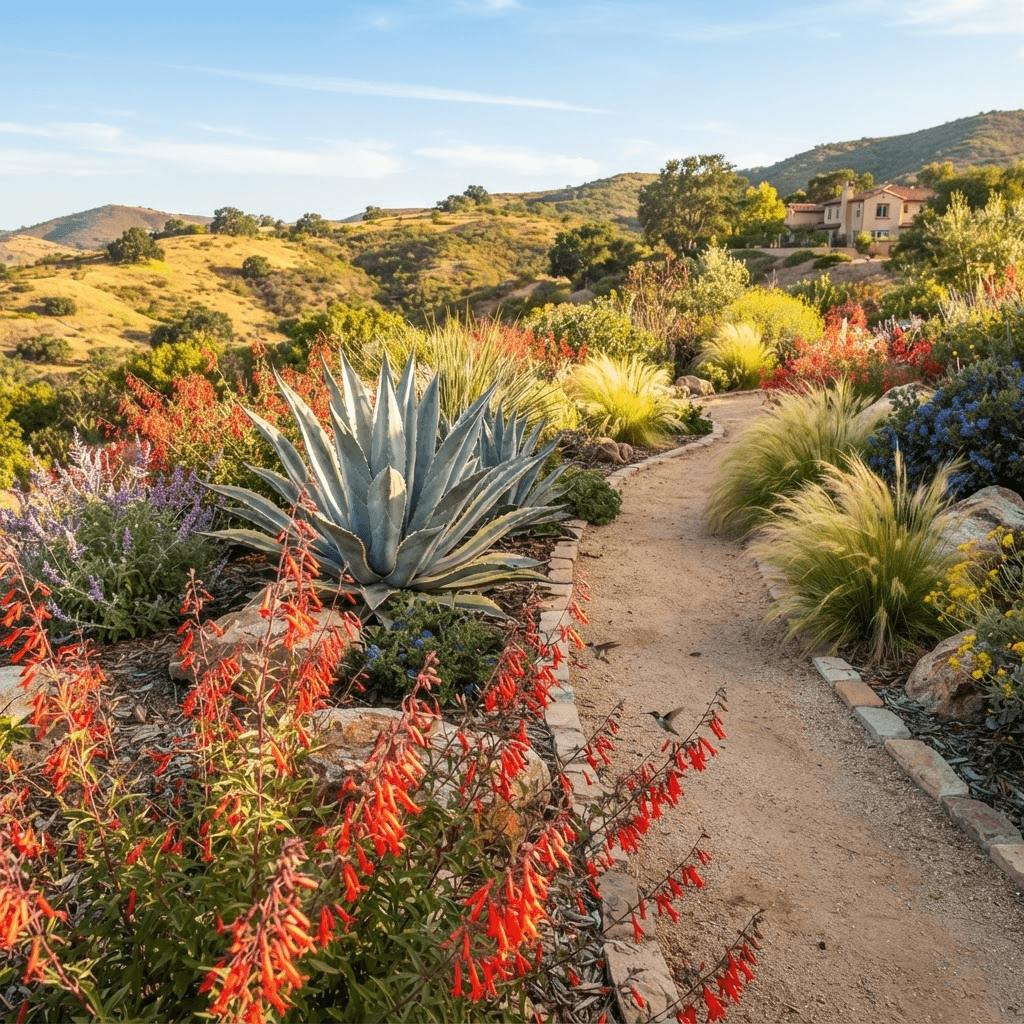
This native perennial is a standout, throwing out brilliant scarlet, tubular flowers in late summer and fall when little else is blooming. It thrives in heat and poor soil, needs almost no water once established, and is a magnet for hummingbirds. Few plants deliver this much color for so little effort in a dry garden.
2. Embrace an Arid Landscape Design
Instead of fighting for a green lawn, design around the reality of a dry climate. An arid landscape uses gravel, decomposed granite, boulders, and sculptural drought-tolerant plants to create a look that is intentional and striking rather than parched. Done well, it reads as elegant and modern, not neglected.
3. Go Native
California native plants like manzanita, ceanothus (California lilac), toyon, and sages are adapted to local conditions, so they need less water, less fuss, and less fertilizer. They also support native pollinators and birds, turning your yard into a small piece of functioning habitat.
4. Rip Out the Thirsty Lawn
Traditional turf is the single biggest water drain in most yards. Replacing all or part of it with a low-water alternative — native ground covers, ornamental grasses, or a planted gravel garden — dramatically cuts water use while looking far more distinctive than a flat green rectangle.
5. Add Succulents and Agaves
Nothing says water-wise California quite like sculptural succulents. Agaves, aloes, and echeverias store their own water, thrive in full sun, and add bold architectural shapes and silvery blue-green tones that contrast beautifully with warmer desert hues.
6. Use Decomposed Granite Pathways
DG is a classic California hardscape material, an affordable, permeable surface for paths and seating areas that lets rain soak into the ground rather than running off. Its warm, earthy color complements native and arid plantings perfectly.
7. Design for Fire Safety
In much of California, defensible space isn't optional. Keep plantings near the house low, well-spaced, and well-hydrated, use gravel and hardscape as firebreaks, and avoid piling flammable mulch against structures. Smart plant placement protects your home while still looking intentional.
8. Group Plants by Water Needs
This principle, called hydrozoning, means putting thirsty plants together and drought-tolerant ones together so you can irrigate each zone appropriately. It prevents you from overwatering tough natives just to keep a few thirstier plants alive.
9. Install Drip Irrigation
Where you do water, deliver it efficiently. Drip lines put moisture right at the roots with minimal evaporation, far more effective than overhead spray in a hot, dry climate, and easy to put on a timer for early-morning watering.
Our drip watering schedule tool will size the run times for your zones once the lines are in.
10. Add a Rain Garden or Capture Runoff
Even in a dry climate, winter storms drop a surprising amount of water. Shaping shallow basins or directing downspouts into planted swales lets you capture that rain, recharge the soil, and support your plantings through the dry months instead of sending it down the storm drain.
Putting It Together
Put a few of these together — California Fuchsia and natives for color, an arid palette of succulents and decomposed granite for structure, and drip irrigation to tie it together — and you get a yard that feels distinctly Californian: sun-loving, water-wise, and beautiful all year.
Designing for California's Climate
Landscaping in California means designing for a Mediterranean climate of hot, dry summers and mild, wet winters, punctuated by drought and, in many regions, wildfire risk. The most successful California yards embrace these realities rather than fighting them, trading thirsty lawns for water-wise plantings, and choosing species that thrive on little summer water. Working with the climate produces landscapes that look lush and alive year-round while using a fraction of the water, staying beautiful even under the watering restrictions that are now a regular feature of California life.
Drought-Tolerant and Native Plants
The heart of a great California landscape is its plant palette, and native and Mediterranean species are the stars. California natives like manzanita, ceanothus, and California poppy are adapted to the local climate and support native pollinators and wildlife. Mediterranean transplants such as lavender, rosemary, olive, and ornamental grasses thrive in the same conditions. Succulents and agaves add sculptural, water-storing forms. Grouping these by their water needs, a practice called hydrozoning, lets you irrigate efficiently and gives the whole yard a cohesive, climate-appropriate character.
Xeriscaping and Lawn Alternatives
With water scarce and expensive, many Californians are replacing traditional turf with xeriscaping, a design approach built around minimal irrigation. Thirsty lawns give way to gravel, decomposed granite, permeable paving, and beds of drought-tolerant plants, often accented with boulders and dry creek beds for a naturalistic look. Where some green groundcover is desired, low-water options like creeping thyme, native sedges, or clover offer a softer surface. Many water districts even offer rebates for lawn removal, making the switch to a water-wise landscape both beautiful and economical.
Outdoor Living and Hardscape
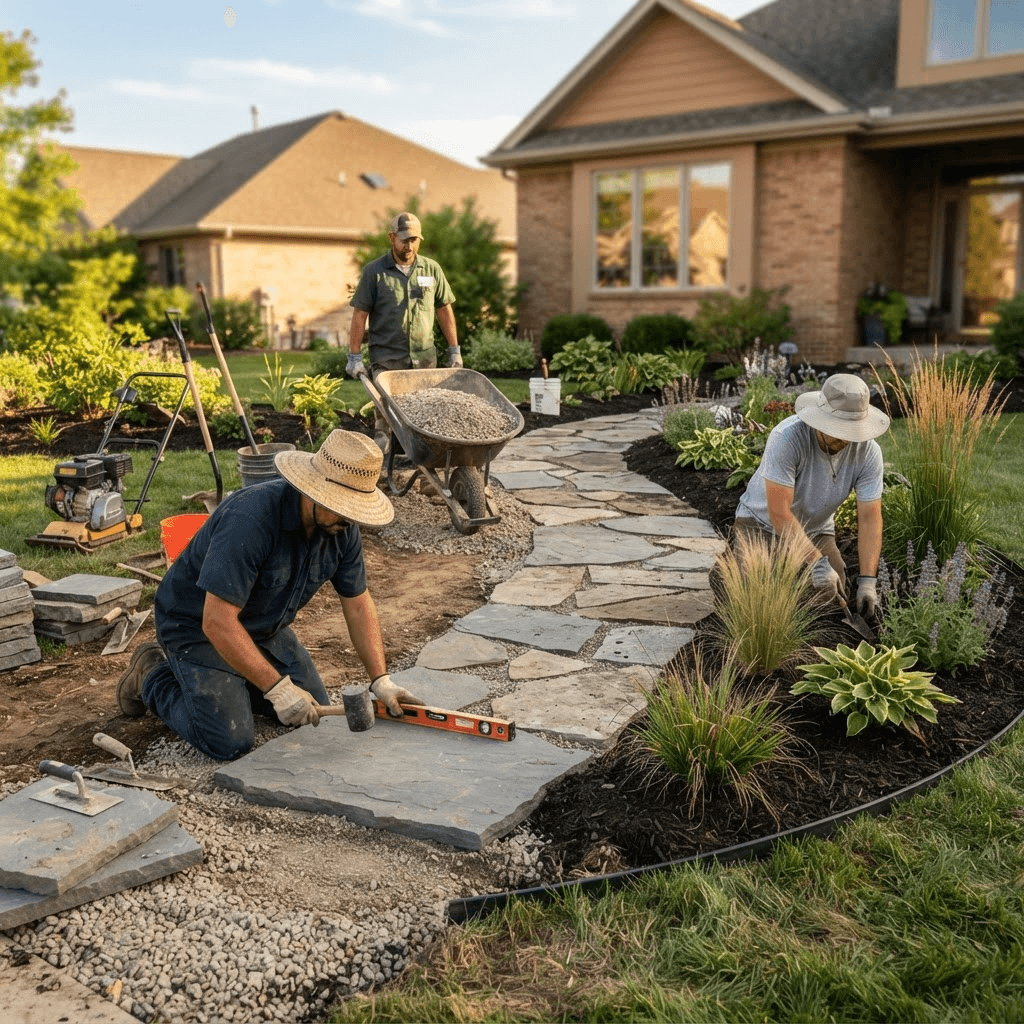
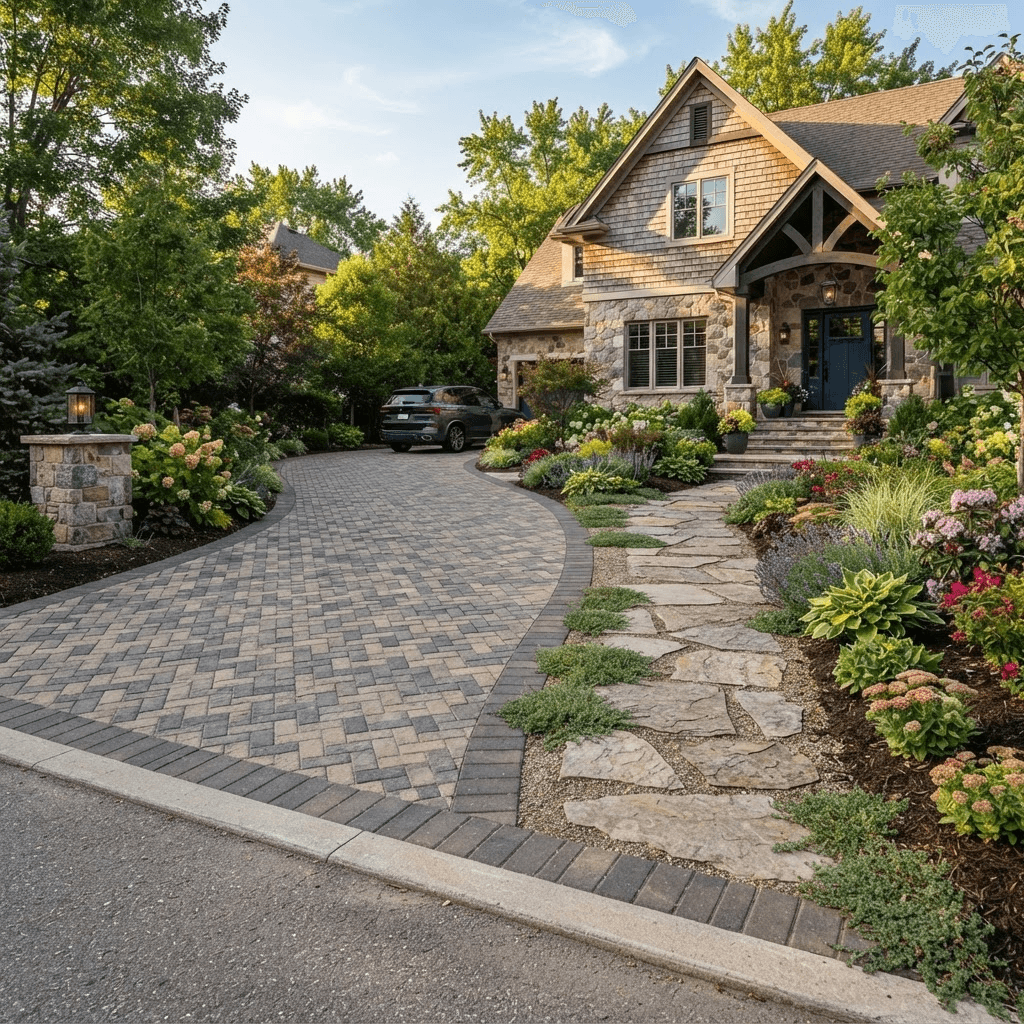
California's famously pleasant weather makes the yard an extension of the home, so outdoor living features are central to its landscape style. Patios, pergolas, outdoor kitchens, and fire pits create year-round gathering spaces, while shade structures and drought-tolerant vines temper the summer sun. Hardscape materials like flagstone, gravel, and pavers reduce irrigated area while providing beautiful, functional surfaces. Designing generous outdoor rooms takes full advantage of the climate and often adds more usable living space and value than an equivalent indoor renovation.
Fire-Wise and Sustainable Choices
In much of California, responsible landscaping also means designing with wildfire in mind. Creating defensible space with well-spaced, low-flammability plantings and non-combustible hardscape near the home reduces risk, while keeping plants healthy and free of dead material limits fuel. Sustainable touches like drip irrigation, mulch to conserve moisture, permeable surfaces that recharge groundwater, and plants that support local pollinators round out a landscape that is not only beautiful but resilient and responsible in a challenging environment.
Climate shapes nearly every landscaping decision, so it is worth comparing these ideas against our broader regional landscaping ideas.
Frequently Asked Questions
What plants are best for California landscaping? Drought-tolerant natives like manzanita, ceanothus, and California poppy, plus Mediterranean plants such as lavender, rosemary, and olive, and sculptural succulents. Grouping them by water needs keeps the yard efficient and cohesive.
What is xeriscaping? Xeriscaping is a landscaping approach that minimizes irrigation by using drought-tolerant plants, gravel, permeable paving, and features like dry creek beds. It is ideal for California's dry climate and water restrictions.
How can I landscape without a lawn in California? Replace turf with drought-tolerant beds, gravel or decomposed granite, permeable paving, and low-water groundcovers like creeping thyme. Many water districts offer rebates for removing thirsty lawns.
How do I make my California yard fire-wise? Create defensible space with well-spaced, low-flammability plants and non-combustible hardscape near the house, remove dead material, and keep plantings healthy to reduce available fuel around your home.