Top 10 Lawn Care Products and Tips for Beautiful Grass
Ten products and habits that consistently deliver a beautiful lawn, from sharp mower blades and slow-release fertilizer to core aeration and smart watering
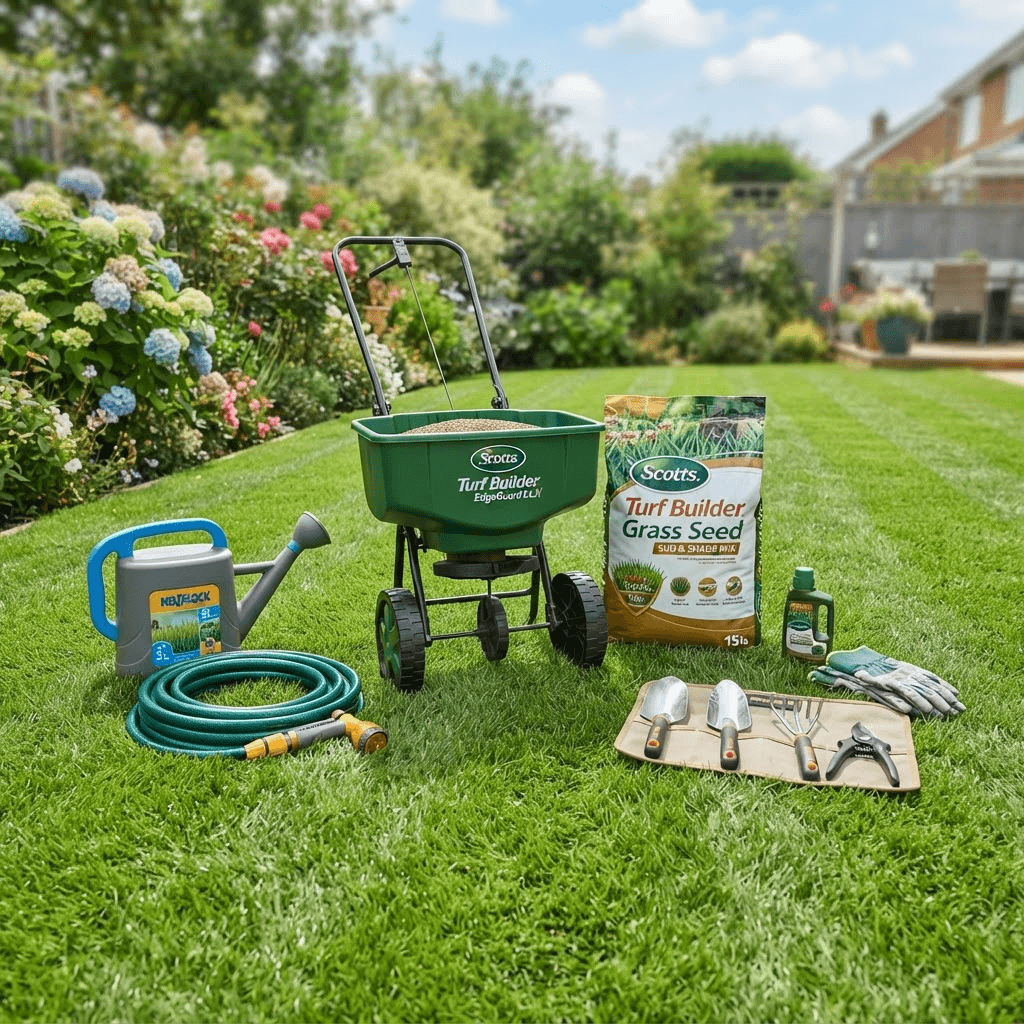
Top 10 Lawn Care Products and Tips for Beautiful Grass
A lush, green lawn isn't the result of one miracle product; it's the payoff from a handful of good tools used with a few smart habits. Get the basics right — mow well, water deeply, feed on schedule, and fix the soil — and the grass does the rest. Here are ten products and tips that consistently deliver beautiful grass.
1. A Quality Mower With Sharp Blades
Your mower is the tool you use most, so it matters most. Keep the blades sharp, because dull blades tear grass instead of cutting it cleanly, leaving ragged, browned tips that invite disease. A clean cut heals faster and looks better instantly.
2. Follow the One-Third Rule When Mowing
Never remove more than a third of the grass height in a single mow, and mow high rather than scalping the lawn. Taller grass shades the soil, chokes out weeds, and grows deeper roots, making the whole lawn more drought-resistant and thicker over time.
3. A Broadcast or Drop Spreader
Even application is the difference between a uniform green lawn and a striped, patchy one. A good spreader distributes fertilizer and seed consistently, preventing the burn spots and gaps that come from spreading by hand.
4. The Right Fertilizer, Applied on Schedule
A slow-release fertilizer feeds the lawn steadily over weeks and is far more forgiving than quick-release formulas. Match your feeding to your grass type and its growing season rather than fertilizing on autopilot, and never overapply.
5. Quality Grass Seed Matched to Your Region
When overseeding thin spots or starting fresh, use seed suited to your climate and sun conditions — cool-season blends for northern lawns, warm-season varieties for hot regions. The right seed establishes faster and needs less babying.
6. A Core Aerator
Compacted soil is a silent lawn killer, blocking water, air, and nutrients from reaching the roots. Core aeration, pulling small plugs of soil out once a year, relieves compaction and is one of the highest-impact things you can do for a struggling lawn.
7. Water Deeply and Infrequently
Rather than a light sprinkle every day, water deeply a couple of times a week to encourage roots to grow down in search of moisture. Deep, infrequent watering builds a drought-tolerant lawn; frequent shallow watering builds a weak, thirsty one.
Deep and infrequent is easy to say and hard to quantify, so our lawn watering calculator converts it into minutes per zone for your grass type.
8. Water Early in the Morning
Timing matters as much as amount. Watering at dawn lets the grass absorb moisture before the heat of the day and dries the blades before nightfall, reducing the fungal diseases that thrive on wet overnight grass.
9. A Soil Test Kit
Guessing at what your lawn needs wastes money and can make problems worse. A simple soil test reveals your pH and nutrient levels so you can amend precisely, adding lime to correct acidity or targeting the specific nutrients your soil actually lacks.
10. Leave the Clippings and Target Weeds Smartly
Grasscycling, leaving mulched clippings on the lawn, returns nitrogen to the soil and cuts your fertilizer needs. For weeds, spot-treat problem areas rather than blanketing the whole lawn, and remember that a thick, healthy lawn is the best weed control there is.
Bringing It Together
None of these on their own transforms a lawn, but together they create the conditions grass needs to thrive: good soil, deep roots, clean cuts, and steady feeding. Build these products and habits into a simple routine and a beautiful, resilient lawn becomes the natural result rather than a constant battle.
The Foundation: Mowing, Watering, and Feeding
A beautiful lawn is built on three fundamentals done consistently, not on any single miracle product. Mow at the correct height for your grass type, usually taller than most people expect, and never remove more than a third of the blade at once, since scalping stresses the grass and invites weeds. Water deeply and infrequently to encourage deep roots rather than shallow daily sprinkling. Feed with the right fertilizer at the right times for your grass. Master these three habits and your lawn will outperform any yard that relies on products while neglecting the basics.
Must-Have Lawn Care Products
A handful of products make the fundamentals easier and more effective. A quality slow-release fertilizer feeds the lawn evenly and reduces burn risk. A pre-emergent herbicide applied in early spring stops weed seeds before they sprout, while a targeted post-emergent handles weeds that break through. Grass seed matched to your climate fills thin or bare spots, and a soil test kit tells you exactly what your lawn needs. Rounding out the list, a broadcast spreader ensures even application of seed and fertilizer, the uneven spreading that causes stripes and burn is almost always an application problem, not a product one.
Aeration and Overseeding for a Thicker Lawn
Two practices transform a tired, thinning lawn into a dense one: aeration and overseeding. Core aeration pulls small plugs of soil from the lawn, relieving compaction so air, water, and nutrients reach the roots, and it is best done during the grass's active growing season. Immediately afterward is the perfect time to overseed, spreading fresh grass seed that settles into the holes and thickens the turf. Done annually or as needed, this combination crowds out weeds naturally, since a thick, healthy lawn is the single best defense against weeds ever getting a foothold.
Timing: A Simple Seasonal Routine
Lawn care is as much about timing as products. In early spring, apply pre-emergent and a light feeding as the grass wakes up. Through spring and fall, the peak growing seasons for cool-season grass, handle overseeding, aeration, and the main feedings. Summer calls for careful watering and higher mowing to help the lawn endure heat, with minimal feeding of stressed cool-season turf. Late fall is for a final winterizer feeding that builds root reserves. Following this simple calendar, tuned to your grass type, delivers far better results than random applications whenever you happen to think of it.
Common Lawn Care Mistakes to Avoid
Even diligent homeowners undercut their lawns with a few common errors. Cutting grass too short weakens it and invites weeds; mowing with dull blades tears rather than cuts, browning the tips. Overwatering shallowly breeds disease and weak roots, and over-fertilizing burns the lawn and pollutes runoff. Ignoring soil pH means fertilizer goes to waste, and bagging clippings every time removes free nitrogen that grasscycling would return. Avoiding these mistakes costs nothing and often does more for a lawn than any product on the shelf.
Each of these mistakes has a fix, and our lawn care troubleshooting guides walk through them in order.
Frequently Asked Questions
What products do I need for a healthy lawn? The essentials are a slow-release fertilizer, pre- and post-emergent weed control, quality grass seed suited to your climate, a soil test kit, and a broadcast spreader for even application. Consistency matters more than any single product.
How can I make my grass thicker and greener? Mow high, water deeply but infrequently, feed on a seasonal schedule, and aerate and overseed during the growing season. A thick, well-fed lawn naturally crowds out weeds and stays greener.
When should I fertilize and treat my lawn? Apply pre-emergent and a light feeding in early spring, do main feedings and overseeding in spring and fall, water carefully in summer, and finish with a winterizer feeding in late fall, adjusting for your grass type.
What is the most common lawn care mistake? Mowing too short is among the most damaging, as it stresses the grass and lets weeds invade. Dull mower blades, shallow overwatering, and over-fertilizing are other frequent, avoidable errors.