What Is a UAV for Farming? (Best Farming Automation Techniques)
Drones are transforming how farmers see and manage their fields. A guide to agricultural UAVs and the best automation techniques modernizing farms.
What Is a UAV for Farming? Best Farming Automation Techniques
Farming has entered a high-tech era, and one of the most visible symbols of that shift is the UAV, the unmanned aerial vehicle, or agricultural drone, buzzing over fields. Paired with a growing toolkit of automation techniques, UAVs are helping farmers work smarter, cut costs, and boost yields by turning guesswork into data-driven decisions. Understanding what agricultural UAVs are and how they fit alongside other automation methods is a great entry point into the modern, precision-driven farm, whether you're managing a few hundred acres or exploring your very first tech upgrade.
What Is a UAV for Farming?
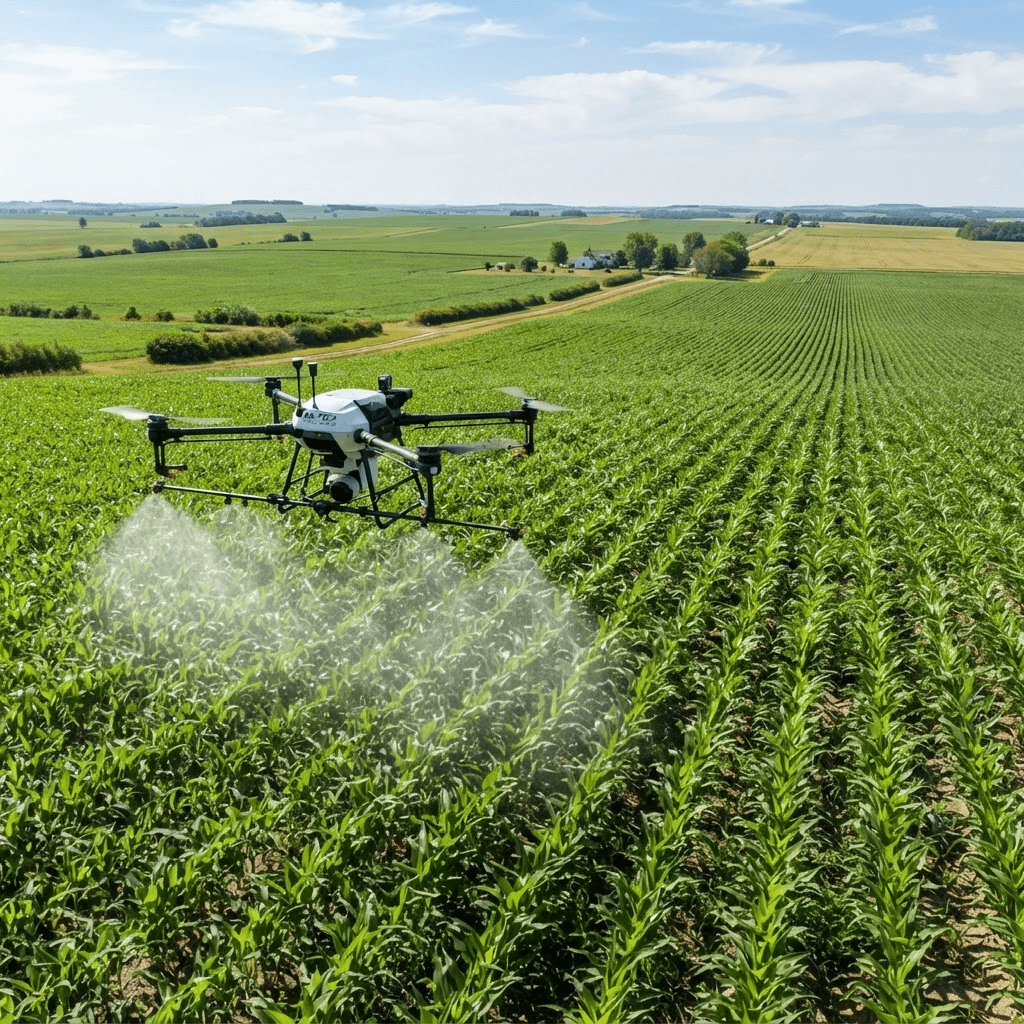
A UAV for farming is simply a drone equipped for agricultural tasks, an aircraft flown without an onboard pilot, controlled remotely or programmed to fly autonomous routes over fields. What makes them powerful is their payload: cameras and specialized sensors that capture detailed aerial imagery, and in some cases tanks and nozzles for spraying.
Because a drone can survey in minutes what would take hours to walk, and see patterns invisible from the ground, it gives farmers a fast, affordable bird's-eye view of exactly what's happening across their land.
How Farmers Use Agricultural UAVs
The uses of agricultural UAVs fall into a few key categories.
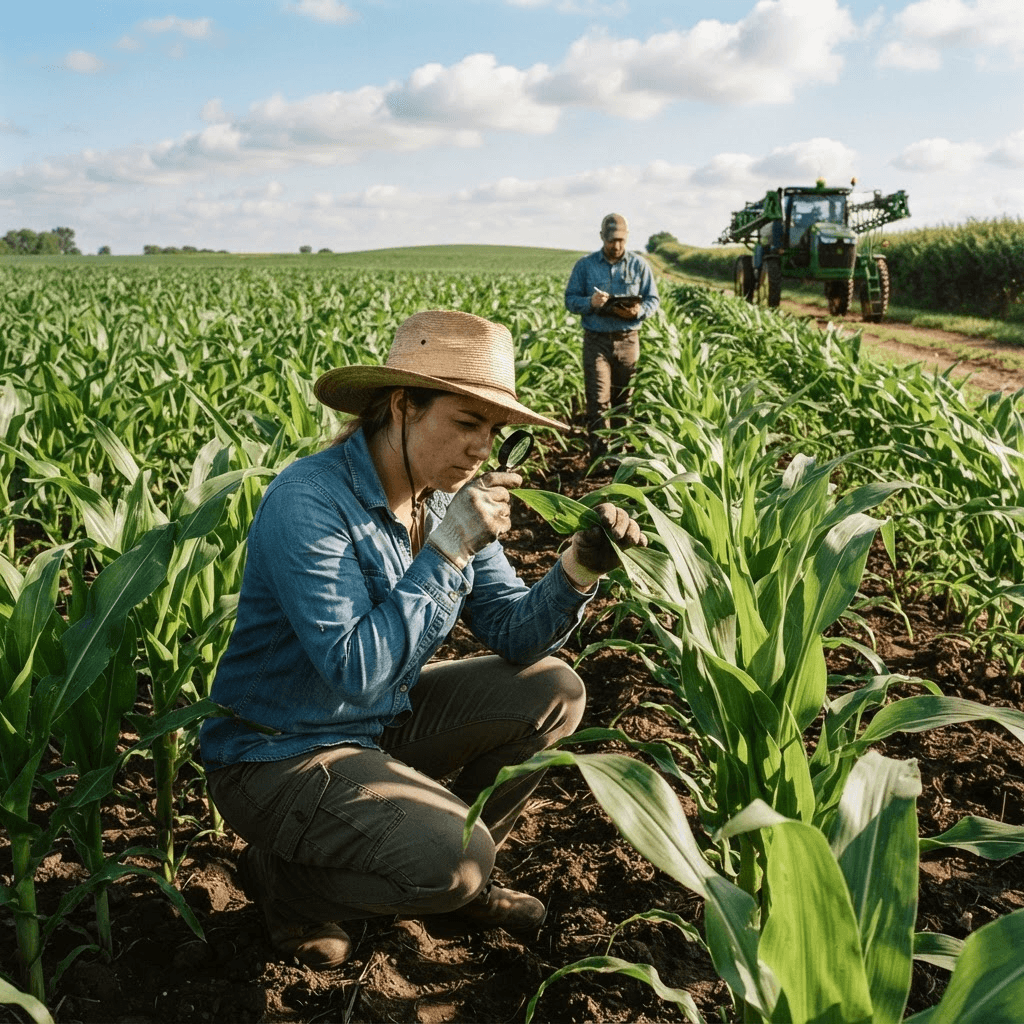
Crop Monitoring and Scouting
The most common use is crop monitoring and scouting. Drones carrying multispectral or infrared cameras can reveal plant health, spot pest or disease outbreaks, detect irrigation problems, and identify nutrient deficiencies long before they're obvious to the eye, often using vegetation indices like NDVI that translate light reflectance into health maps.
Spraying and Seeding
Beyond scouting, spraying drones apply pesticides, fertilizers, or water precisely where needed, reducing chemical use and keeping operators out of harm's way. Some drones even handle seeding or mapping fields for planning, extending their usefulness well beyond simple imagery.
How UAV Data Powers Precision Agriculture
The real value of UAVs comes from the data they generate, which feeds precision agriculture, the practice of managing fields at a fine-grained level rather than treating every acre the same.
Drone imagery is stitched into detailed field maps that show variation across the land, letting farmers apply water, fertilizer, and treatments only where they're required. This targeted approach saves money on inputs, reduces environmental impact, and improves yields by addressing problems early and precisely.
In short, the drone is the eyes, and precision agriculture is the brain that acts on what those eyes see.
The Best Farming Automation Techniques Beyond Drones
UAVs are just one piece of a broader farm automation revolution, and the best techniques work together:
- Autonomous and GPS-guided tractors and machinery can plant, till, and harvest with minimal human input and centimeter-level accuracy, reducing overlap and waste.
- Automated irrigation systems use soil-moisture sensors and weather data to water crops exactly when and where needed.
- Robotic systems handle weeding, harvesting, and even milking.
- IoT sensors scattered across fields and barns continuously stream data on soil, climate, and livestock into farm-management software that ties it all together.
Each of these techniques becomes significantly more effective when it's fed by the kind of field-level data a UAV can provide, which is why drones are so often the starting point rather than an isolated tool.
The Benefits of Combining UAVs With Farm Automation
When drones and ground-level automation work together, the benefits compound rather than simply add up:
- Lower input costs, since data-guided application means fertilizer, water, and chemicals go only where they're actually needed.
- Reduced labor demands, easing the pressure of ongoing agricultural labor shortages.
- Faster problem detection, catching pest outbreaks, irrigation failures, or nutrient deficiencies days or weeks before they'd be visible from the ground.
- Better long-term records, since drone imagery and sensor data build a season-over-season history that reveals trends a single year's observations never could.
- Smaller environmental footprint, from reduced chemical runoff and more efficient water use.
None of these benefits require adopting every technology at once, even a single well-used tool, like a scouting drone flown a few times a season, can meaningfully improve decision-making on its own.
How to Start Modernizing Your Farm With Automation
For a farmer looking to modernize, the smartest path is to start with information and build from there:
- Begin with drone-based monitoring to understand your fields before investing in anything else.
- Layer in variable-rate application once you have the data to guide it.
- Add sensor-driven irrigation to reduce water waste based on real conditions.
- Introduce GPS-guided equipment as budget and needs allow.
These technologies share a common goal: replacing broad, uniform, labor-intensive practices with precise, data-driven, automated ones that save time, cut input costs, and increase productivity, all while easing labor shortages and reducing environmental footprint.
For how drones fit alongside ground equipment and farm software, see our precision agriculture explainers.
Frequently Asked Questions About Agricultural UAVs
How much does a farming drone cost? Costs vary widely depending on capability, a basic mapping and scouting drone sits at a far lower price point than a heavy-lift spraying drone with agricultural-grade cameras and payload systems. Many farmers start with entry-level monitoring drones before investing in more specialized equipment.
Do I need a license to fly an agricultural drone? In many countries, including the U.S., commercial drone use, including on a farm, requires passing a certification exam and registering the aircraft. Requirements vary by region and by drone weight, so checking your local aviation authority's rules before flying is an essential first step.
What's the difference between a UAV and general farm automation? A UAV, or drone, is a specific tool for aerial monitoring and, in some cases, spraying. Farm automation is the broader category that includes UAVs alongside autonomous tractors, robotic equipment, and automated irrigation, all working from the same underlying idea of using data and machinery to reduce manual labor and guesswork.
Can small farms benefit from agricultural UAVs? Yes. While large operations were early adopters, drone prices have fallen enough that even small and mid-sized farms can benefit from basic scouting and mapping drones. For smaller acreage, the labor savings from not having to walk every field manually can justify the cost on its own, even before accounting for the value of catching problems earlier.
The Bottom Line
Agricultural UAVs are often the gateway into this world, giving farmers the visibility they need to make every other automation technique more effective.