Precision Agriculture Robotics: How Robots Are Changing Modern Farming
Autonomous robots are taking on planting, weeding, and harvesting, letting farms work with pinpoint accuracy and less manual labor.
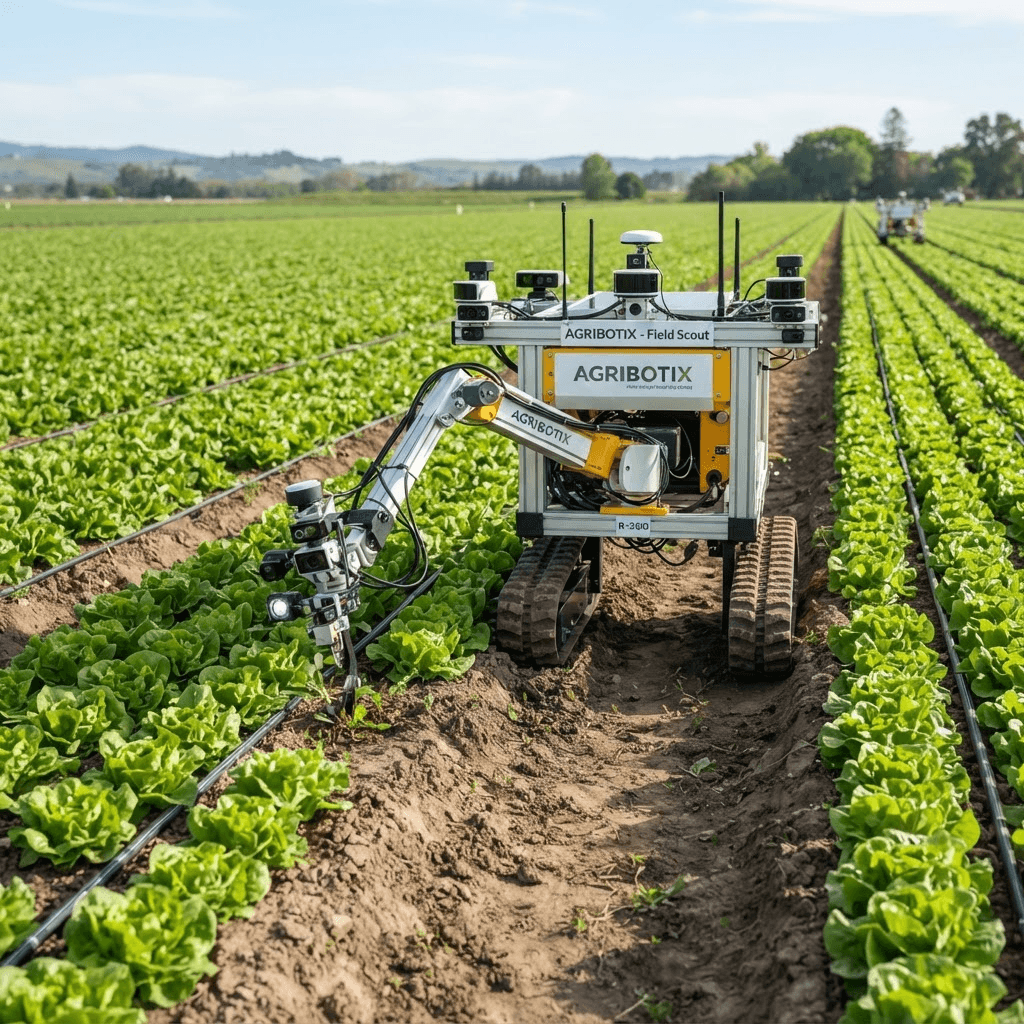
Robotics is quickly moving from novelty to necessity on modern farms, bringing a level of precision and consistency that manual labor alone cannot match.
Autonomous tractors and planting robots use GPS and computer vision to seed fields with exact spacing and depth, improving germination and making the most of every square foot. Weeding robots identify individual weeds and remove them mechanically or with targeted micro-doses of herbicide, slashing chemical use.
At harvest, robotic pickers equipped with soft grippers and cameras can identify ripe produce and pick it without damage, working around the clock during critical windows. Sensor-laden machines simultaneously gather data on crop and soil conditions with every pass.
The payoff is significant: robots address labor shortages, reduce input costs, and apply resources with pinpoint accuracy. As the technology matures and becomes more affordable, precision robotics is set to become a standard part of the farm toolkit.
What Precision Agriculture Means
Precision agriculture is the practice of managing a farm using detailed, location-specific data rather than treating every acre the same. By combining GPS positioning, sensors, imagery, and analytics, growers can see variation across a field, in soil type, moisture, nutrients, and crop health, and respond to each zone individually. This site-specific management replaces the old approach of applying a uniform rate of seed, water, or fertilizer everywhere with targeted decisions that match inputs to actual need, improving efficiency, protecting the environment, and often boosting both yield and profit.
The Technology Toolkit
A modern precision operation draws on an expanding set of tools working together. GPS guidance steers tractors along exact paths to avoid overlap, while variable-rate technology adjusts seeding and application on the fly across a field. Soil and moisture sensors report conditions in real time, and drones and satellites capture aerial imagery that reveals stress, disease, or pest pressure before it is visible from the ground. Farm-management software ties these streams together into maps and recommendations, turning raw data into concrete decisions about where and when to act.
Robotics and Automation in the Field
Robotics is the fast-emerging frontier of precision farming. Autonomous and semi-autonomous machines now plant, weed, and harvest with a precision and endurance humans cannot match, working around the clock without fatigue. Robotic weeders use cameras and machine vision to identify and remove weeds mechanically or with pinpoint spraying, slashing herbicide use. Automated harvesters and fruit-picking robots address chronic labor shortages, while autonomous tractors follow programmed routes. These machines extend precision from data collection into physical action, performing tasks at the level of the individual plant.
Benefits for Farmers and the Environment
The payoff of precision agriculture and robotics runs in two directions. Economically, applying inputs only where needed cuts spending on seed, fertilizer, water, and chemicals while protecting or raising yields, and automation eases dependence on scarce, costly labor. Environmentally, targeted application means less runoff, fewer emissions, and reduced chemical load on soil and water, while healthier, data-guided management supports long-term soil fertility. Together these gains help farms produce more food with fewer resources, a central goal as global demand rises against finite land and water.
Challenges and the Road Ahead
For all its promise, precision farming faces real hurdles. The upfront cost of equipment, sensors, and software can be steep, especially for small farms, and making sense of large data streams demands new skills and reliable connectivity that rural areas may lack. Compatibility between systems from different manufacturers and concerns over data ownership add friction. Even so, falling technology costs, better connectivity, and advances in artificial intelligence are steadily lowering these barriers, pointing toward farms that are increasingly automated, data-driven, and precise in the years ahead.
For a practical look at adopting this technology despite those hurdles, see our precision farming adoption guides.
Frequently Asked Questions
What is precision agriculture? Precision agriculture manages farmland using detailed, location-specific data, applying seed, water, and inputs exactly where each part of a field needs them instead of treating every acre uniformly, improving efficiency and reducing waste.
How is robotics used in farming? Robots plant, weed, and harvest crops with precision and endurance, using machine vision to target individual plants. Robotic weeders cut herbicide use, and autonomous harvesters and tractors help address labor shortages.
What technologies power precision farming? GPS guidance, variable-rate application, soil and moisture sensors, drones and satellite imagery, and farm-management software that combines these data streams into maps and recommendations for site-specific decisions.
What are the main challenges of precision agriculture? High upfront costs, the skills and connectivity needed to use data, and compatibility and data-ownership concerns. Falling prices, better rural connectivity, and AI advances are steadily reducing these barriers.